Category

Interior Design

Category


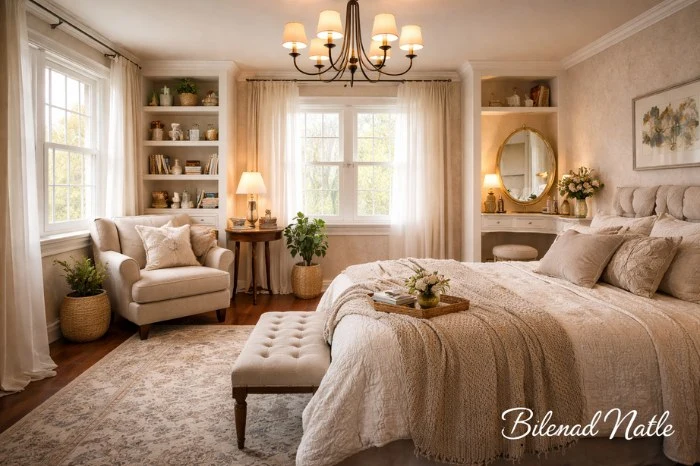
Whenever bedrooms come to mind, we think that it is a place to sleep only. But your bedroom is more than a place to sleep; it’s your personal retreat for actual rest, mental clarity, and a place where productive ideas like morning journaling and planning the day emerge.

The way you design this space actually matters because it can impact your health. For example, calming colour combinations like soft blues can lower heart rate and improve sleep quality according to research on colour psychology and sleep, while the cluttered spaces spike stress.

Small bedrooms often feel suffocating if not thoughtfully organised, whereas larger spaces can end up feeling cold and empty without smart zoning.

This comprehensive guide explores sophisticated bedroom interior decor ideas, spanning from sleek contemporary aesthetics to warm, intimate sanctuaries, including innovative space-maximising solutions and refined luxury styling approaches.

Bedroom Styling Tips for Everyday Wins

Styling the space where one spends most of their peaceful time is crucial. So, start with layers, blend textures like linen bedding and mohair throws to adopt 2026’s popular cocoon-inspired trend.

To maintain natural flow, arrange your furniture purposely, and try to float your bed away from walls for openness in large rooms.

Keep it clean by making hidden storage under beds, because a tidy setup instantly elevates mood and makes day-to-day maintenance simple.

Bedroom Wall Decor That Creates Real Impact

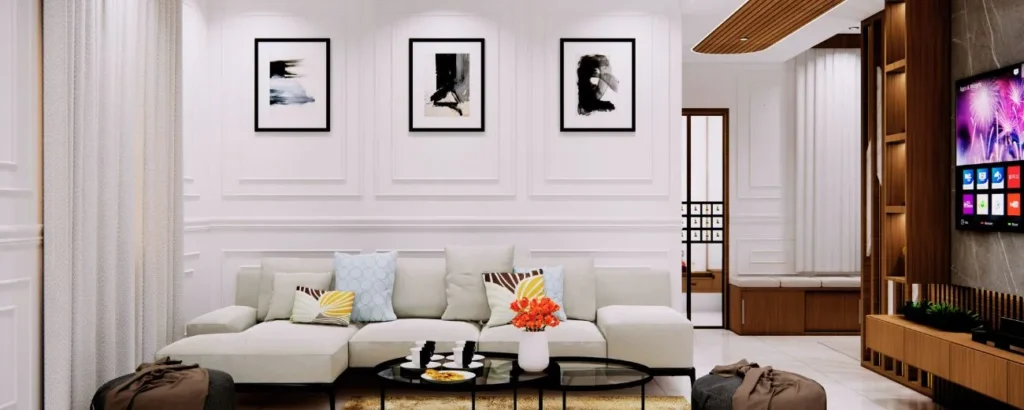
When styling the interior of your bedroom, wall decor cannot go unnoticed. It acts as a visual focal point of your room without overwhelming the space. For timeless, classic contrast, try designing gallery walls with framed artwork in black-and-white bedroom themes.

You can strategically place metallic mirrors in the luxury dark-blue bedroom to bounce light off the navy walls. This technique is also a staple when designing a sophisticated seaside-themed escape, as it mimics the reflective quality of water.

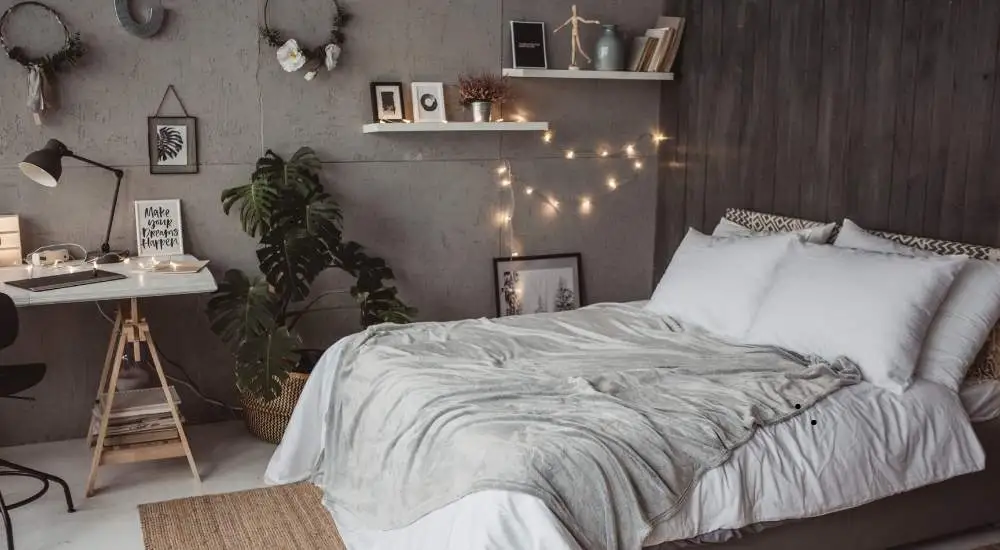
And for grey bedroom ideas, textured wood panels or nicely placed floating shelves give architectural dimension without adding visual clutter.

Dark and moody bedrooms benefit from dramatic artwork with deep frames that enhance the intimate atmosphere, while creamy white bedroom spaces shine with minimalist line art or botanical prints that maintain the airy, serene aesthetic.

Room Decor for Teens: Fun and Functional

Teens nowadays crave personalisation, a space that reflects their unique personality. For teens, pairing bold patterns with modular shelving systems that evolve alongside their changing interests creates the perfect balance.

Everything from homework assignments to gaming marathons is handled by a dedicated bedroom office ideas section with built-in desk space; add adjustable LED strip lighting for immediate mood control.

Washable area rugs and multipurpose storage ottomans that hide equipment from view will help you keep everything tidy.

Bedroom Ideas for Couples: Designing Shared Harmony

Your focus should be symmetry, with matching nightstands on either side of the bed and a central area rug that delineates the sleeping space. Adjustable dimmers and velvety headboards naturally promote passion and intimacy in dark and moody bedroom settings.

To preserve personal space while fostering harmony, consider adding distinct closet zones or a shared vanity area. To maximise productivity in shared spaces, you can create seamless hybrid zones with Murphy beds that fold into wall-mounted desks, saving floor space.

Install wall desks with cable hides in a bedroom nook to create a tidy, clean bedroom look. Dark green or grey acoustic panels reduce echoes and maintain crisp focus.

Colour Trends: Moody to Minimal

  • Luxury Dark Blue Bedroom: Deep navy shades with gold accents encourage deep sleep through soothing brain effects.
  • Dark Green Bedroom: Rich velvet greens and natural wood tones create a psychologically balanced environment that is inspired by nature.
  • Grey Bedroom Ideas: Extremely adaptable neutral bases that layer exquisitely with delicate colours; add sculptural statement frames for a modern edge in 2026.
  • Dark and Moody Bedroom: Several lamp sources should be layered with heavy drapes to create the sensation of an intimate cocoon; silk wall coverings can even reduce background noise.
  • Creamy White Bedroom: Adding a variety of textures with bulky knits and woven pieces will avoid becoming boring and maximise light in tiny areas.

These adaptable colour schemes can be used in any size bedroom; larger spaces typically favour darker hues, while smaller spaces naturally favour lighter ones.

Common Design Mistakes to Avoid

Overloading small spaces with excessive furniture could block natural flow, so only stick to necessary pieces. Overlooking colour psychology in a moody setup leads to mental exhaustion. So it is important to strike a balance between reflective metallic accents and deep darks.

Beautiful, luxurious, dark blue bedrooms quickly become dirty when regular care is neglected; instead, start with fabrics that are resistant to stains and can be easily cleaned.

Practical Implementation Steps for Every Budget

Here are some practical implementation steps for every budget segment, if followed correctly, yield the best results:

First, you have to declutter ruthlessly to establish a clean bedroom starting point. Then comes the paint; always test colour swatches in natural light.

After that, layer the textile carefully, starting with bedding and throws. The fourth step on the list is to personalise with meaningful accessories, like framed photos for teens and art for couples.

Lastly, install lighting like adjustable dimmers. They can enable flexible mood atmospheres.

FAQs

How do I maintain a clean bedroom daily?

Establish a fast evening surface wipe-down procedure and use eye-catching baskets to catch stray things during the day.

What works best for room decor for teens?

Select modular furniture, such as height-adjustable shelf systems, that will organically expand with them over time.

What are the Budget-friendly bedroom ideas for couples?

Install shared floating shelves for joint items and hunt for quality secondhand area rugs.

Why should I choose a dark green bedroom?

It psychologically evokes natural environments, promoting truly balanced, restorative rest.

Do you dream of creating your own little home from the bottom up, but can’t match the outrageous costs on the present market? Certainly, constructing a small house is not an overnight job; the process may even transform pure enthusiasm and passion into aggravation and psychological weariness. But this is your domain, a free space for organizing and bringing into reality a fantastical universe. Dissecting real 2026 numbers, this article provides a clear, practical roadmap by helping one to budget, assess possibilities, and avoid excess spending.

Average house building expenses in 2026

Average house building expenses

Excluding land, construction costs in the United States in 2026 vary from $138,937 to $531,294, with a national average of roughly $323K. Your final cost is much determined by whether you build in a cheaper rural area or a rich coastal city center. Materials saw a 4.2% rise in 2025 as tariffs strained them. Then there are hidden costs, which include surveys and landscaping, that can result in 10-25% more costs being realized.

Cost Depends on the Types of Small Houses

House TypesAcres / SizeEstimated Cost
Traditional Small House800–1,500 sq ft$150,000 – $450,000+
Tiny HouseUnder 400 sq ft$30,000 – $100,000
ADU200–1,000+ sq ft$40,000 – $300,000+

Traditional Small House

Traditional Small House

Often measuring 800-1,500 sq ft, these houses employ conventional structural framing, masonry, and brickwork to surpass the typical 2,200 sq ft residences. Following building code rules and zoning rules, they provide defined room layouts. Offering classic comforts on a smaller land area, this size suits a simple lifestyle.

Tiny House

Tiny House

Just under 400 square feet, tiny houses are even smaller than the conventional modest home. These homes are usually prefab or come with wheels and an engine, which, by the way, reduces foundation and excavation costs. Though inexperienced structural framing poses significant safety hazards, this might be a more affordable choice because DIY components and small nooks for utility lower costs here.

ADU

Ranging 200-1K+ sq ft, Accessory Dwelling Units (ADU) can be disconnected as a garage conversion. Although they are founded on already existing land, therefore avoiding separate property acquisition, they nevertheless need permits, service mains, and adherence to local building permits and inspections.

Factors Affecting the COst of Building Small Homes

Pre-Construction Planning

Pre-Construction Planning

This phase entails costs of an estimated 5-10% of your budget, with material take-off and plot size planning.

  • Architectural Design & Engineering Fees: An architect can cost up to 8-15% ($30k – 60k), which covers blueprints, 3D models, and MEP plans.
  • Permits & Inspection Expenses: You have to factor in around $1K$3K for local permissions as well as inspection fees for fire safety, egress, ventilation, and zoning compliance before starting construction.

Land & Site Development

Though the price of a small home might range widely depending on where it is, typically it runs from $2K to more than $150K per acre.

Costs for Property Acquisition: Average price for a 0.25-acre plot is $100K-300K if you are not constructing an ADU. If personal savings come up short, funding usually entails building loans.

Site Preparation & Clearing: Encompasses geotechnical analysis, excavation, drainage layout, and site survey. Depending on soil and terrain, prices run $2.3K to $12K.

Structural Foundation & Reinforcement

Depending on your foundation type, whether a slab, crawl area, or basement, the present basis expenses run roughly $21K+. Reinforced concrete, footing design, vapor barrier, waterproofing, and compacted sub-grade all fall within this particular phase of construction.

Framing

Including materials and labor, framing can range in cost from $11 to $30 per square foot. This covers load-bearing components making up the superstructure as well as structural framing, roof trusses, and lintels. The material also affects the cost significantly; wood framing is less costly, but steel is frequently necessary for hurricane regions, so choose judiciously.

Exterior Enclosure

Exterior Enclosure

The expenses for a small home vary on the extent of insulation, materials, and whether the project is a pre-fabricated kit or an own structure. Usually, for a 200 sq ft room, prices can vary from $2K for a simple screen enclosure up to financial crisis $80K for top-end, four-season glass sunrooms.

Read More: Board and Batten Half Wall Ideas

Mechanical System Setup

  • Plumbing Rough-in & Fixtures: Covers plumbing, taps, sanitary appliances, and drainage runs roughly $4 to $12 per square foot in a little new construction house.
  • Panels & Electrical Wiring: Electrical panels and wiring cost from $3,000 to $8,000. For a full rewiring or a whole new installation in a small home, it could cost even more.
  • HVAC Configuration: With the ductwork and insulation to keep a good thermal envelope with appropriate R-value and U-value, the price to install a new HVAC system is expected to range from $2.5 to more than $10K. Costs change greatly depending on the kind of interior build-out.

Interior Build-Out

  • Wall Constructions: Steps exist here. For the thermal envelope, insulation costs $1 to $3 per square foot; drywall costs $1.50 to $3.50. Wall plastering, putty, primer, and finally painting of your choice, maybe even a grayscale minimalistic aesthetic. This all would cost about $13,000 in all.
  • Floor Installation: Installing floor slabs, screed, and tiles costs $4$25 per square foot, averaging $13K+ depending on the materials.
  • Building Kitchens: The most crucial area to build, and probably the most costly as well. Sitting at $25K$70K to build with kitchen cabinets and countertops; additional if you wish an island.
  • Bathroom Vanity: Each bathroom will cost for sanitation fixtures, taps, and mirrors at about $800-$5K.

Buying Home Vs Building Home

Buying Home Vs Building Home

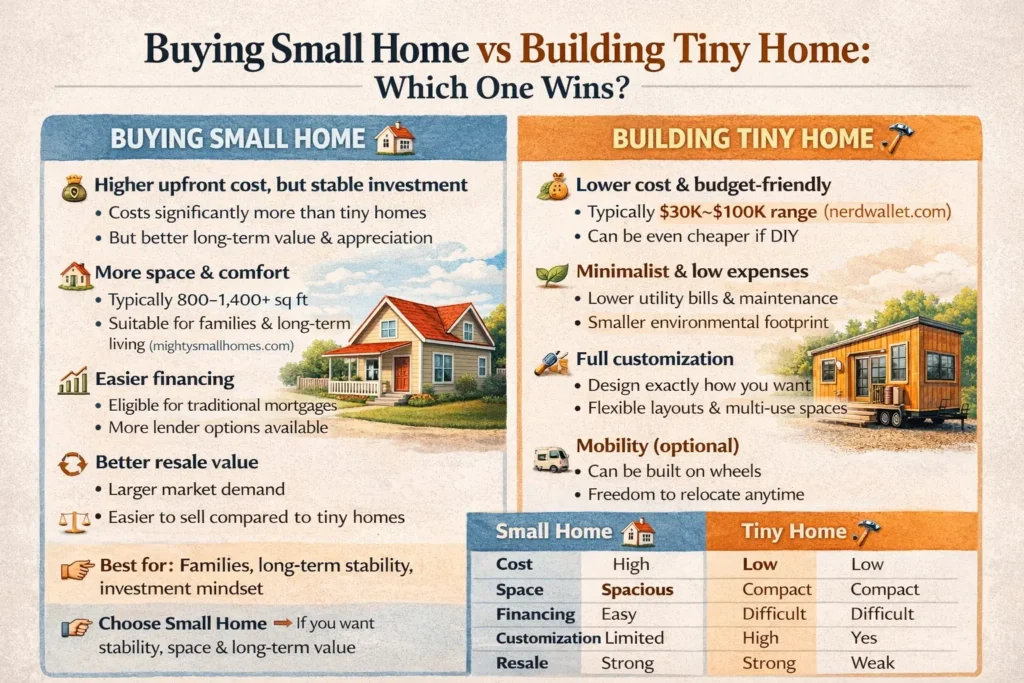
Building a little house sometimes is less sensible than just purchasing one that already exists. Once land, delays, and inflation are considered, structuring a small house or even a large house sometimes costs more than the $398K median price of current residences. Buying offers simultaneous consistent expenses and faster occupancy.

Fixed-rate mortgages guarantee payments; construction projects are vulnerable to delays and inflation. Furthermore, you have to budget for ongoing expenses, including property insurance, taxes, and frequent deep cleaning, to lengthen the life cycle expense of the home.

With a purchased home, you may swiftly change rooms. For instance, developing a comfortable living room with a little side office. You could even transform your little home into a fantasy-inspired area with reading nooks throughout for tea. It entirely sidesteps the headache of ground-up construction.

Conclusion

Achieving a favorable result depends much on carefully designing the construction of a tiny home. From the substructure on through all finish stages of your new house, this planning starts. You have complete creative control over the construction of your little house, yet you must weigh the high cost of supplies against the simplicity of buying a fresh home.

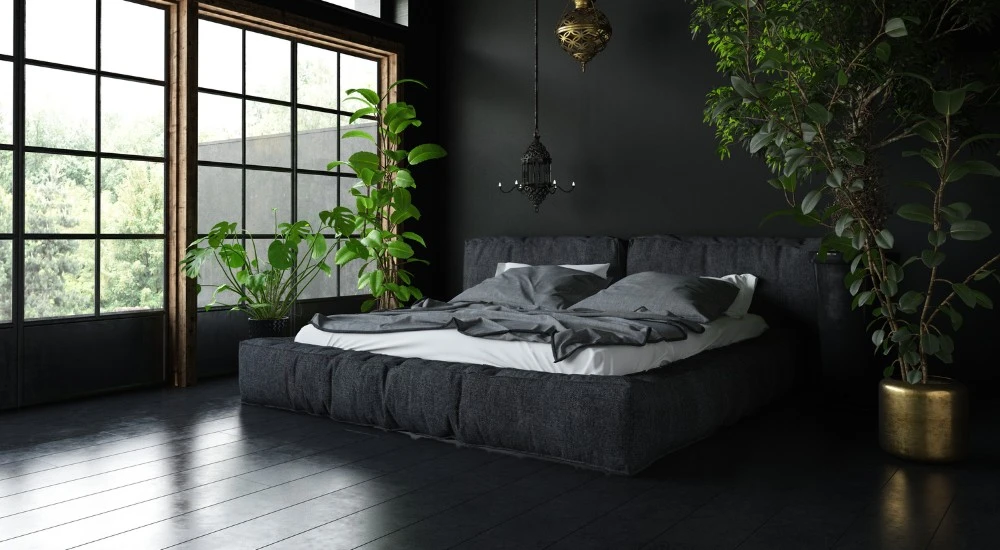
Thinking of giving your private bedroom a bold, sassy makeover? Dark-colored bedrooms, such as those featuring green, purple, and gray, blend with deep colors, fine and rich textures, and high-quality lighting to create a cozy and moody ambient environment that feels both regal and luxurious.

The main point is that you don’t even need to spend a huge amount or have a large castle-like room to achieve such a look. The designs of your dark bedroom patterns will be suggested by this personal guide of yours today!!

A moody bedroom is all about blending oneself with the deeper hues, layered textures and tones and atmospheric proper natural lighting that make you feel like a cocoon in its cozy pod.

Unlike the old and ancient bright and open bedrooms, moody bedrooms use different colour shades and saturation to uplift emotion and drama.

It is trendy in today’s time, as it provides a very peaceful environment, gives individual privacy and offers the ultimate rest for unwinding after a very hectic day at work.

Why is it so popular today?

  • Cozy and peaceful: Darker shades make rooms feel ambient and secure.
  • Versatile: Does not need excessive amounts of decor and can still be very romantic.
  • Budget sufficient: Proper wall paints can make a huge impact along with appropriate lighting.

5 Dark and Moody Bedroom Ideas

Following is a list of 5 dark color ideas for your bedroom to make your retreat looks moody.

1. Black Colored Bedroom

There’s nothing quite like bold, passionate shades like obsidian black, midnight blue, and deep emerland to set a moody, atmospheric tone in a room.

Create an outstanding feature wall by going for a rich color like sapphire or forest green. This one change can instantly transform the space into something bold and expressive. If you’re not sure where to start, consider sightseeing spaces designed with dark blue palettes for encouragement.

Embellish the walls with impactful art—oversized monotonous photography or emotionally resonant artwork adds a sophisticated edge to the room. For ideas, consider looking at interiors that feature dramatic black-and-white visual themes.

Looking to create a sophisticated and modern bedroom with a touch of saturated tones with minimal, well-curated elements girl?

Add depth with architectural elements: Consider elevation design plain walls with vertical paneling or board and batten treatments painted in a deep tone like charcoal or midnight. These textures are especially effective when reimagining a classic maritime aesthetic for a more modern, adult space.

Refine the space with sleek metallic touches: swap out standard hardware for modulations in brushed brass, matte black or antique bronze to enhance style.

Add background paintings and sceneries: you can opt for boho, classic. Cinderella, or barbie theme designs on your bed set back and closet in this theme.

Romantic and Cozy Moody Bedroom Ideas.

A romantic bedroom isn’t about indulgence, it’s about crafting a haven where love and relaxation intertwine.

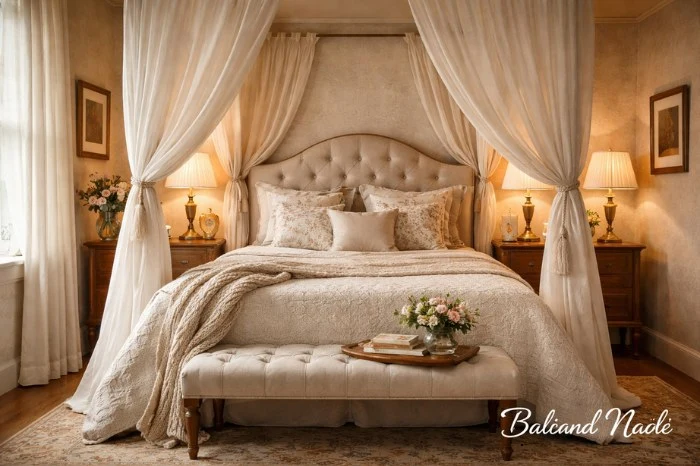
Create a sense of romanticism around the bed: Frame your napping area with flowing, luminous curtains or a light canopy that drapes softly around the bed. This instantly adds a sense of privacy, intimacy, and a fairytale-like charm, making your bedroom nook feel like a cozy retreat from the external world.

Set the mood with ambient lighting: ditch harsh, direct lighting in favour of soft, golden glows. String subtle fairy lights along headboards or ceilings, incorporate candle clusters in safe holders.

Infuse the space with your shared story: make the room distinctly yours by demonstrating framed wedding photos, handwritten notes, or meaningful souvenirs from your journey together.

Want more romantic bedroom ideas? Browse these bedroom ideas for couples that blend love and design effortlessly.

Yes, obviously you can go along with your mood in a very small stuffed space too!! You don’t lack space; you lack ideas, for which we are there! Beyond just the dark tones, you can explore a wide variety of creative bedroom styling concepts that work perfectly for smaller footprints.

Go all in with the colors: painting all four walls of your room can actually make us feel like the void inside the room has been nullified!! The dark colours absorb most of the light, but it makes you feel like you are inside the ever-expanding space if added with a few more lights! so yeah it sits well with introverts who want less light too.

Mirrors and storage: Light reflectors and depth adders are used with a large mirror or mirrored décor storage like a giant cupboard!! Artists usually like spaces with art display in little things too. you can opt. for a designed mirror or elegant one.

Vertical interest: Hang art or install creative bedroom wall ideas to draw the eye upward.

Moody Bedroom Office Ideas

Merging a bedroom with a workspace doesn’t mean messing style, especially when you lean into a moody, melodramatic design. With the right colour palette, illumination, and layout, your bedroom office can sense both inspirational and soothing.

Looking for more personalized and practical inspiration? Browse ideas for teen bedrooms or multi-purpose bedroom offices to see how you can style your space thoughtfully while staying within budget.

Which idea would you like to try for your own customized bedroom?

In my 15 years of designing nooks, the biggest mistake I see is treating that unused corner of a bedroom as dead space. Why leave it empty and boring when, with some effort, you can make it your cozy and dreamy room within a room?

The ideas below cover every budget, room size, and style. Each one is something I have designed and installed in the homes of my clients.

1. The Classic Reading Nook Tucked into a Bedroom Corner

The Classic Reading Nook Tucked into a Bedroom Corner

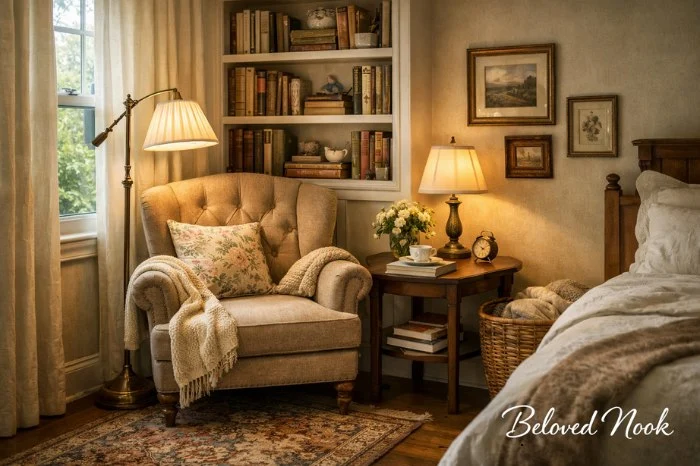
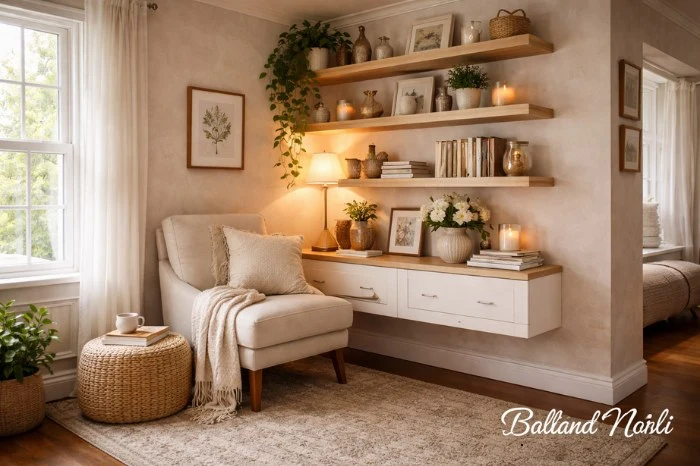
A built-in reading nook is the most requested project in my studio, and for good reason. It transforms the awkward 90-degree corner of a bedroom into a personal retreat that feels like it’s been there forever.

  • Use L-shaped shelving to frame the seat on both sides
  • Add a wall-mounted swing arm lamp. It will save the table space.
  • Choose a seat cushion at least 4 inches thick for long reading sessions
  • Install a small outlet inside the nook for phone charging

Pro Tip: Paint the interior walls of the nook 1-2 shades darker than the room. This depth trick makes the alcove feel intentionally designed.

2. Window Seat Bedroom Nooks

Window Seat Bedroom Nooks

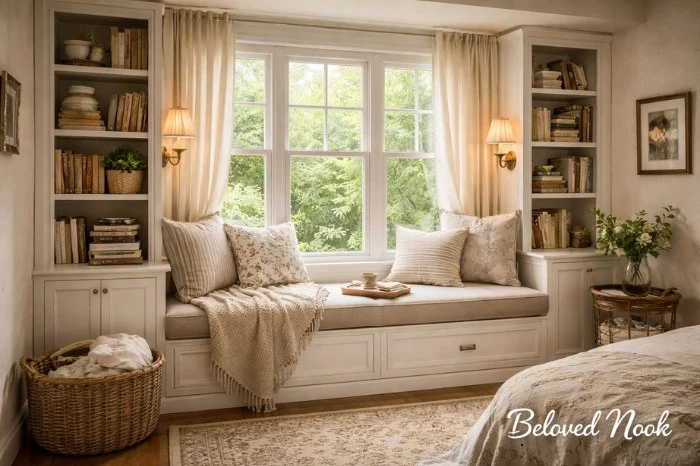
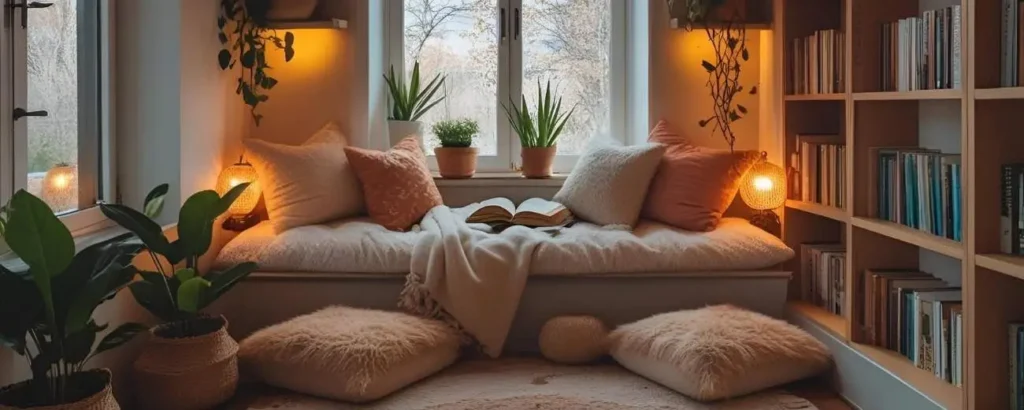
A window seat nook is my go-to recommendation when someone has a deep bay or bump-out window they’re not using.

I recently designed one with a 16-inch deep storage base. It was perfect for extra bedding, seasonal throws, and books.

Pro Tip: Pair window seat nooks with dark wall colors behind the seat. Navy or deep green walls make the bedroom nook feel like a jewel box.

3. A Canopy Bed Nook for Some Drama

A Canopy Bed Nook for Some Drama

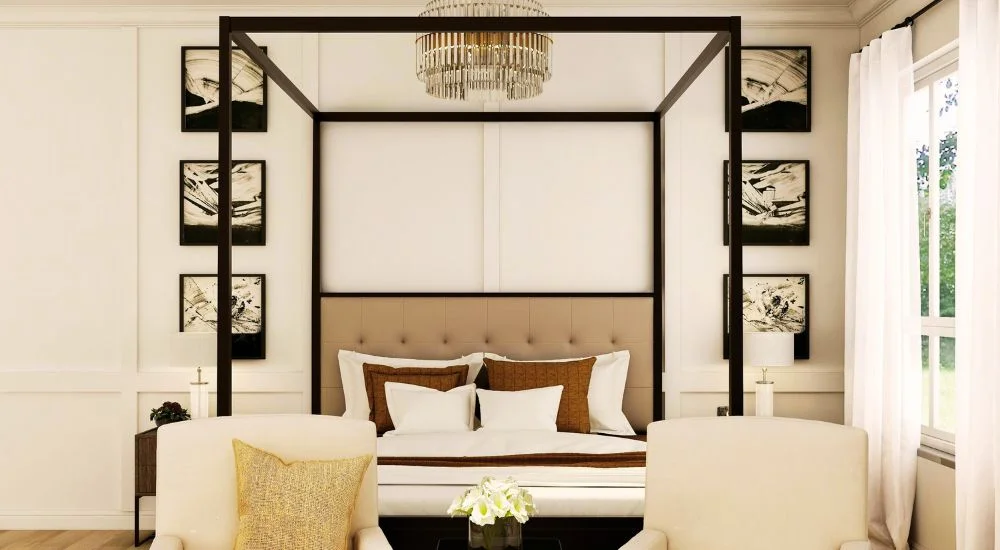
It’s one of the most sophisticated bedroom nook ideas for adults I’ve executed. The idea is to create a “room within a room” by building a canopy frame around the bed. Then you can add layering curtains that can be drawn for full enclosure.

Pro Tip: Pair the canopy with a moody color palette on the back wall, and you get a retreat that feels genuinely luxurious.

4. Create a Built-In Bookshelf

Create a Built-In Bookshelf

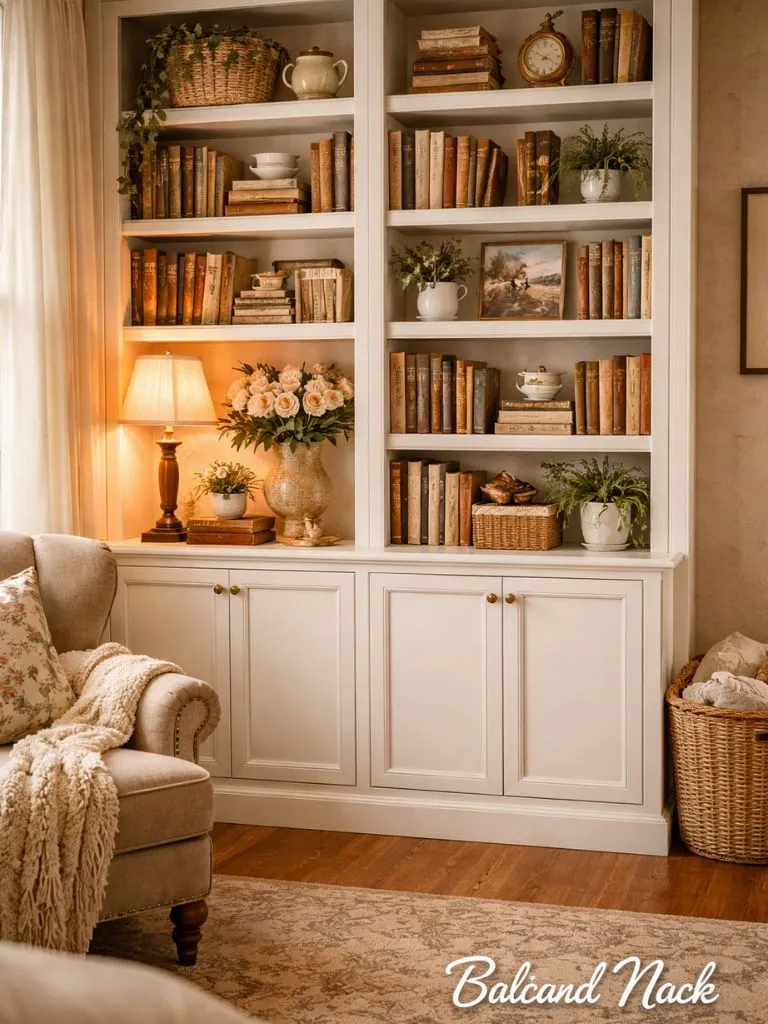
A built-in bookshelf nook in a bedroom does something shelving alone can’t: it creates a sense of enclosure that makes the space feel curated. I always design these with the shelves flanking a central focal point. It can be a chair, a bench, or even the headboard itself.

Pro Tip: The key measurement I use: keep shelves 10–12 inches deep for standard books, but bump one shelf to 14 inches to accommodate art books and display objects. That variation in depth makes the whole unit look more thoughtful. For more layered ideas, you can browse my different nook design approaches that go beyond the obvious.

5. Home Office in a Bedroom Nook

Home Office in a Bedroom Nook

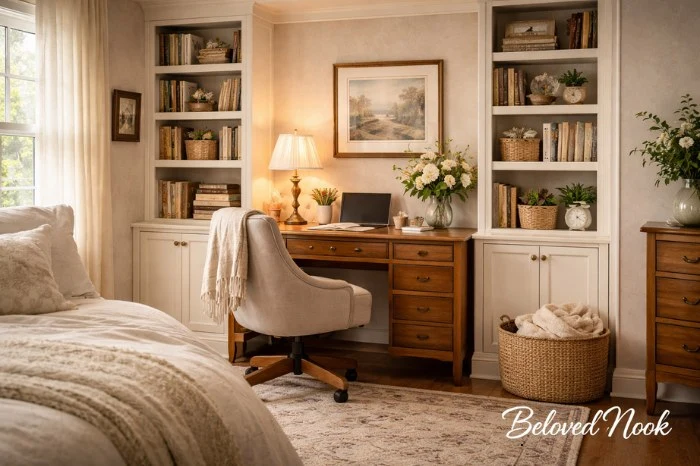
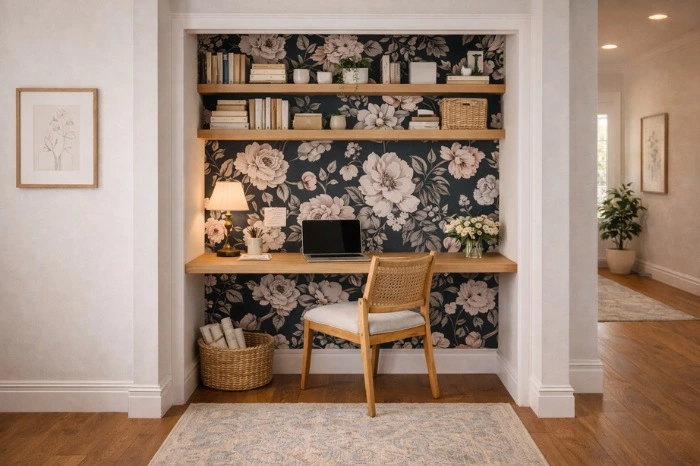
A bedroom office nook is one of the most practical projects I get hired for, especially in studio apartments and smaller homes. The goal is always the same: create a workspace that functions fully during the day and visually disappears in the evening.

My go-to approach is a floating desk built into a shallow alcove. I’d suggest going for 22–24 inches deep. It is the sweet spot for a monitor and keyboard without the desk dominating the room.

Pro Tip: You can decorate this office nook with the shelves, small indoor plants, table lamps, and pedboards.

6. Under-Stair Bedroom Nook

Under-Stair Bedroom Nook

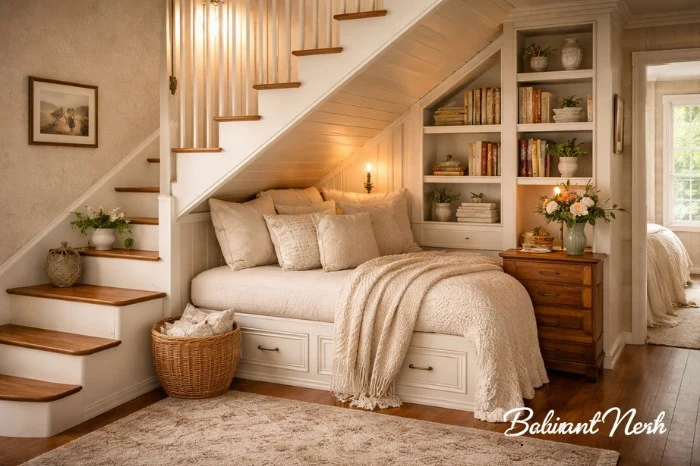
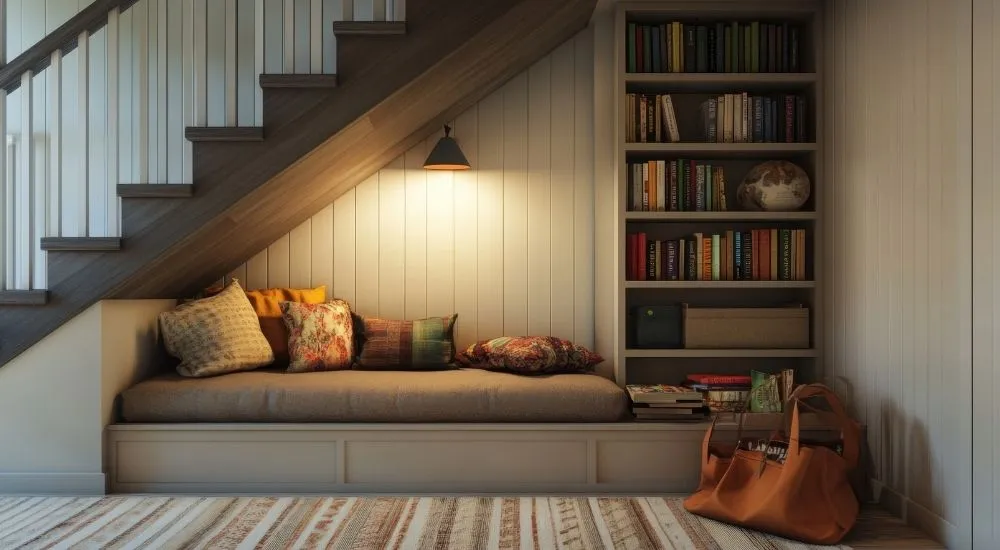
Under-stair bedroom nooks use triangular dead space that most homeowners ignore entirely. I always advise my readers to turn that space into a small reading pod, a workspace, a secret teen bedroom for your kids. It will give you a kind of Harry Potter vibe, and believe me, you will love it.

Pro Tip: Use shelves that follow the stair pitch. It will make the slope look integrated. Position the headboard at the tallest end and feet towards the slope for maximum utilization of space.

7. A “Zen” Nook

A “Zen” Nook

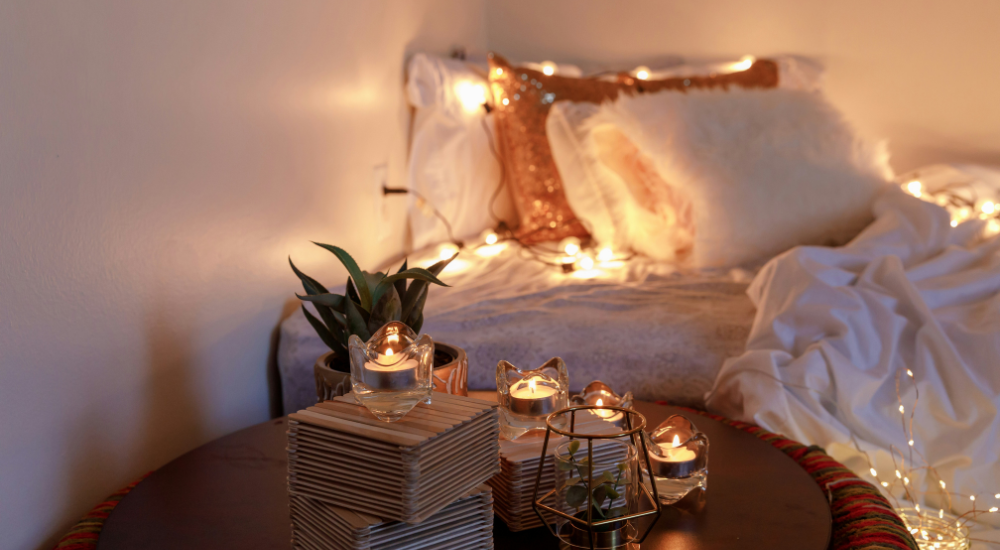
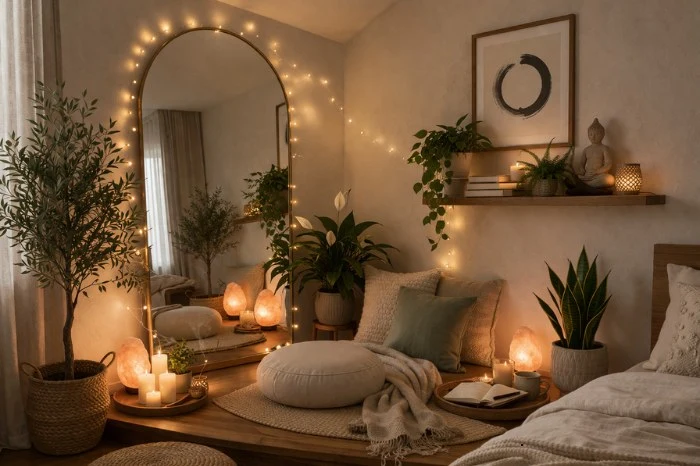
Place the large mirror and hang fairy lights in the corner. The mirror doubles the perceived space and bounces the warm glow of the candles and salt lamps throughout the corner, which looks stunning.

This feels less like a reading spot and more like a space for meditation, journaling, or winding down before bed.

Pro Tip: I’d suggest placing a rough, natural jute rug underneath a soft, shaggy faux-fur or wool rug. The contrast between “rough” and “soft” creates a sensory depth that makes a nook feel high-end.

8. Install an aerial furniture in the Corner

Install an aerial furniture in the Corner

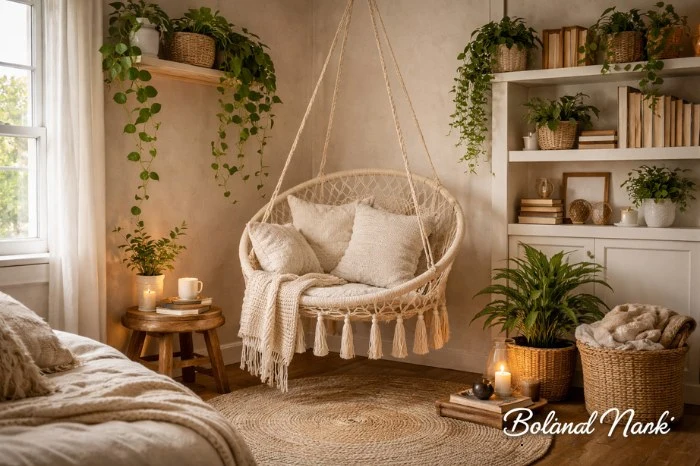
You can use a macramé hanging chair as your focal point. Hang pathos and other low-maintenance plants around it from the ceiling or sit on high shelves.

Pro Tip: Position your hanging chair in front of a tall, structural plant. It creates a “green wall” effect and adds more character to the room.

9. Couples’ Bedroom Nooks: Designing for Two

Couples' Bedroom Nooks

One of the most rewarding projects I take on is designing bedrooms for couples, especially when two people have genuinely different needs from their space. One wants a reading seat, the other wants a vanity. My solution in most cases: one nook per person, positioned on opposite sides of the room.

Pro Tip: Use the same wood tone or upholstery color in both nooks to tie them together visually, even if the function is completely different. This kind of symmetry is a hallmark of well-planned master suite interiors where comfort meets high-end design.

10. The Floating Nook Design

The Floating Nook Design

Let’s say you have an extremely small nook area where you can’t really put any sofa or mirror. What would you do then?

I have a solution for that. Place a small chair and install floating shelves in the corner. Make sure to mount the corner unit slightly off the floor. It will not look “heavy” like the traditional furniture.

For more flexibility in tight spots, using a compact gateleg table offers the same light appearance while giving you a fold-out surface for tea or a laptop whenever you need it.

Pro Tip: Use matte finish and a sophisticated color palette of sage green, light oak, and cream to give it a more open and airy vibe.

Closing Thought

The thing about a well-designed nook is that it changes how you inhabit your whole room. You start going to bed earlier because you actually want to be in your bedroom.

You read more, breathe a little easier, and eventually get a relaxing sleep at the end of the day.

You Might Also Like:

Wall Art Design ideas

Black and White Bedroom ideas

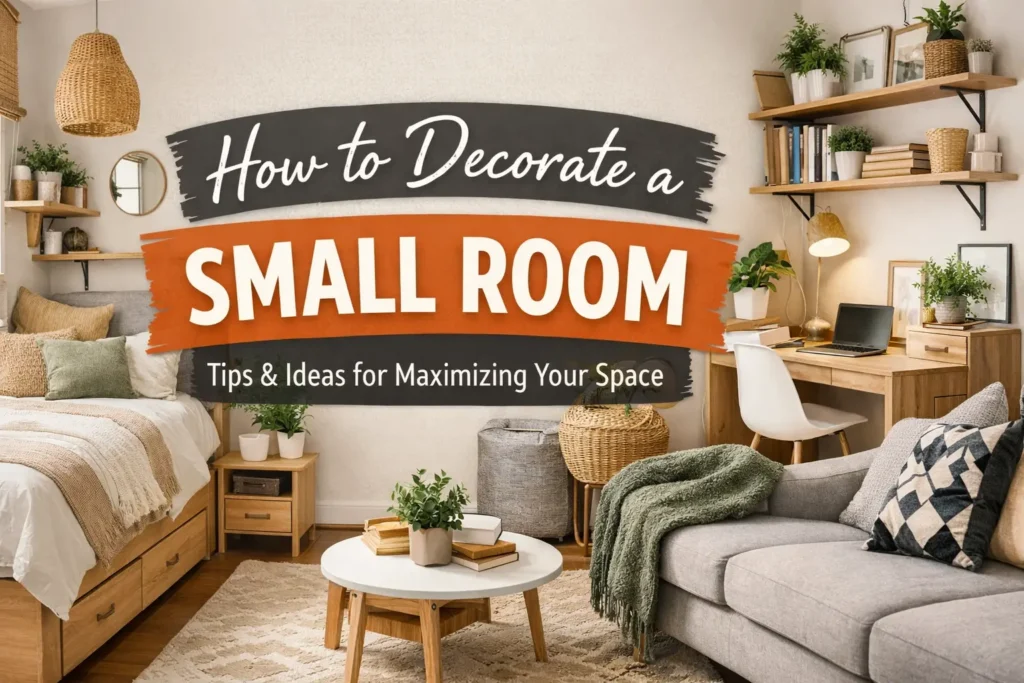
Decorating a small room is something I’ve become professional at. Since I have a small space, I need to keep the decor smart and functional so it does not look cramped.

Decorating a small room beautifully comes down to four things: 

  • Smart furniture choices
  • Controlled color
  • Intentional lighting
  • Keeping visual clutter low

But that’s not all. Let me show you the clever ways you can decorate your small home while keeping it practical and functional.

1. Stick to a Cohesive Color Palette

When walls, furniture, and soft furnishings share a close tonal family, the eye travels smoothly across the room without stopping. But be careful not to color everything stark white. It can often feel cold or unfinished. When you stick to a cohesive color palettes, you don’t have to worry if a new pillow or picture frame will match.

Quick Tip: Paint your ceiling the same color as your walls (or one shade lighter) instead of trimming the dark and light shades. For example, considering dark blue for your small bedroom walls gives you the sense of removal of the hard horizontal line that makes ceilings feel low and room feel boxed in.

2. Smart Placement of Furniture is The Foundation of Small Room Decorating

You might not need any new furniture to decorate your small room. You already have enough. The point is to smartly place them in a way that feels open and spacious.

Here are some tips that helped me:

  • L-shaped arrangements (tucking seating into corners to save floor space while keeping areas conversational and airy).
  • U-shapes suit snug setups if one side stays open.
  • For narrow spaces, opt for slim profiles like micro seating or sectionals to maintain visual breathing room.
  • Test arrangements by ensuring easy traffic flow around doors and paths.

3. Use Fewer but Larger Decor Pieces

The mistake most people make is filling a small room with many small decorative objects. Multiple tiny things read as clutter. One large, confident piece reads as intentional design.

Practical swaps:

  • One large mirror instead of a gallery wall of small frames
  • One statement plant instead of six small ones scattered around
  • One oversized art print instead of multiple small prints
  • A single throw over the back of a sofa instead of multiple mismatched cushions

4. Layer Your Lighting for a Bigger, Warmer Feel

A single overhead light source flattens a room. It removes shadow and depth, which ironically makes a space feel smaller and more institutional. Layered lighting means having three types working together:

Light TypePurposeExamples
AmbientGeneral illuminationCeiling fixture, recessed lights
TaskFunctional lighting for specific areasDesk lamp, reading light
AccentDepth, atmosphere, vibeWall sconces, LED strip lights, table lamps

For small living room decor ideas, a floor lamp in a corner draws the eye upward and outward. It effectively expands the perceived boundaries of the room.

5. Turn Window Areas Into Cozy Nooks

For a small living room, you can transform recessed window areas into most-loved nooks by converting a window alcove into an office nook, installing built-in benches with custom cushions or by using a sofa or vintage chair for a reading corner.

Personally, I always prefer to design nooks with built-in benches with under-seat storage to use empty crannies and corners to store my leftovers. It helps to keep me organize my small room efficiently.

6. Use Vertical Space: Wall Shelves and Smart Storage

Shelving, hooks, and wall-mounted cabinets are the best options when you have a small home. It moves clutter off surfaces and floors without reducing the function of the room.

Smart Storage Ideas for Small Rooms

Beyond shelving, you can use these tips:

  • Command strips and pegboards in kitchens and home offices
  • Over-door organizers for pantries, bathrooms, and bedrooms
  • Magnetic wall panels for small home offices
  • Built-in cabinetry to the ceiling if renovating, the most efficient use of vertical space available

7. Add Plants to Bring Life

Plants are one of the few decorating elements that add life, warmth, and personality to a room without making it feel smaller, provided if they’re chosen and placed thoughtfully.

Best plants for small rooms:

  • Trailing plants (pothos, string of pearls) hung from the ceiling or placed on high shelves look perfect. They add greenery without taking up floor or surface space
  • Tall, slim plants (snake plant, fiddle leaf fig) that draw the eye upward
  • Small succulents grouped on a windowsill as a single, contained vignette

A tip from me: Avoid spreading small plants across every surface. Group them intentionally. One or two strong placements beat a dozen scattered pots every time.

8. Keep Walkways Clear

Creative small room decorating ideas are only effective if the room remains easy to move through. Blocked pathways are the single biggest reason compact rooms feel smaller than they are.

The practical rule: Every room needs at least one clear path, minimum 36 inches wide, from entry to primary seating or bed.

Final Thoughts

The best budget for small room decor ideas aren’t about cheap substitutes; they’re about understanding that restraint, cohesion, and function are the actual design principles at work. A room that’s been thoughtfully edited always feels more spacious.

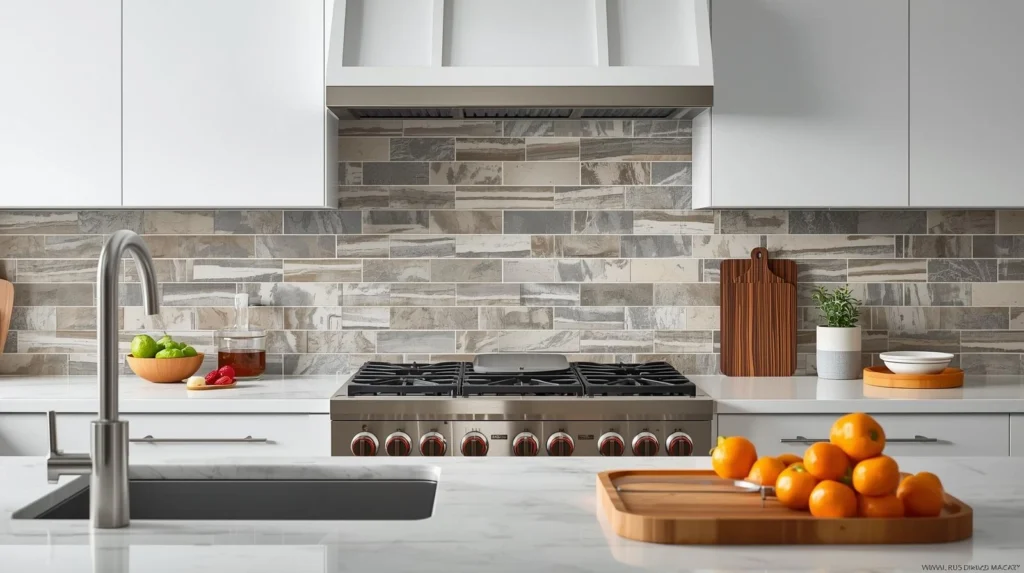
You might not even notice the kitchen backsplash until it has something unusual, maybe a decor or interesting tile art. That’s the entire point of decorating the kitchen backsplash. 

Part protection from the grease marks, part decor.

Personally, I love to scroll Pinterest and TikTok to look at what’s trending in home decor, and it inspired me to share some of my findings here at BelovedNook.

From thoughtful nook design ideas to practical care guides like our kitchen cleaning checklist, we have covered everything in detail, and now it’s time to design a kitchen backsplash.

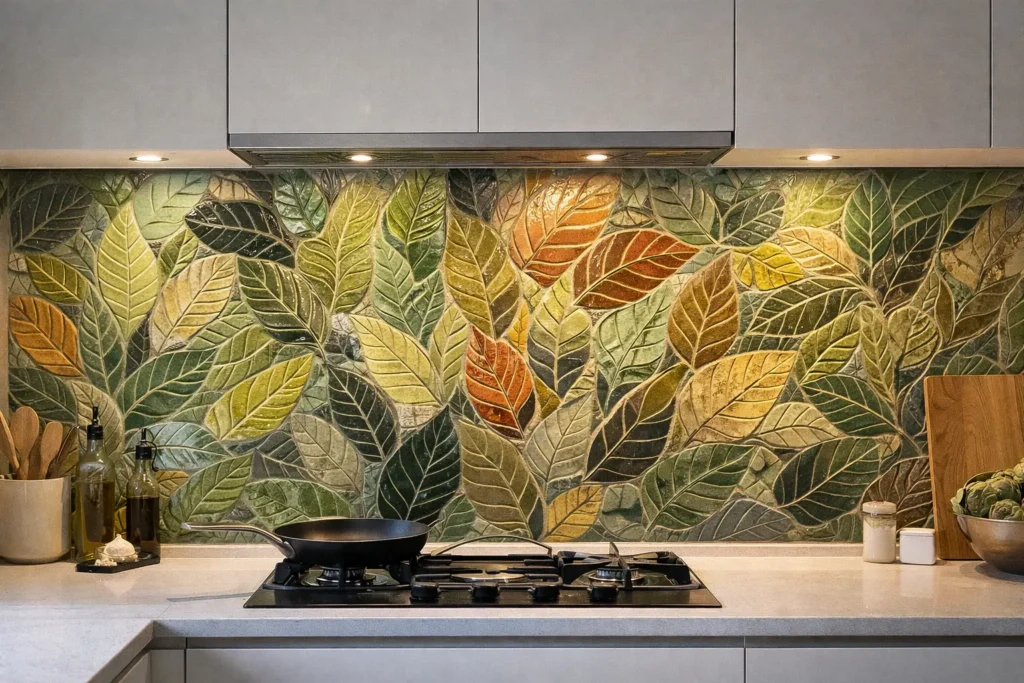
1. The Nature-Inspired Leaf Mosaic

The Nature-Inspired Leaf Mosaic

This design brings the outdoors in with a delicate, organic touch. Unlike standard geometric patterns, the leaf-motif mosaic uses soft curves and natural shapes to create a focal point that feels alive.

It breaks away from rigid lines and embraces “biophilic design,” a major trend in 2026.

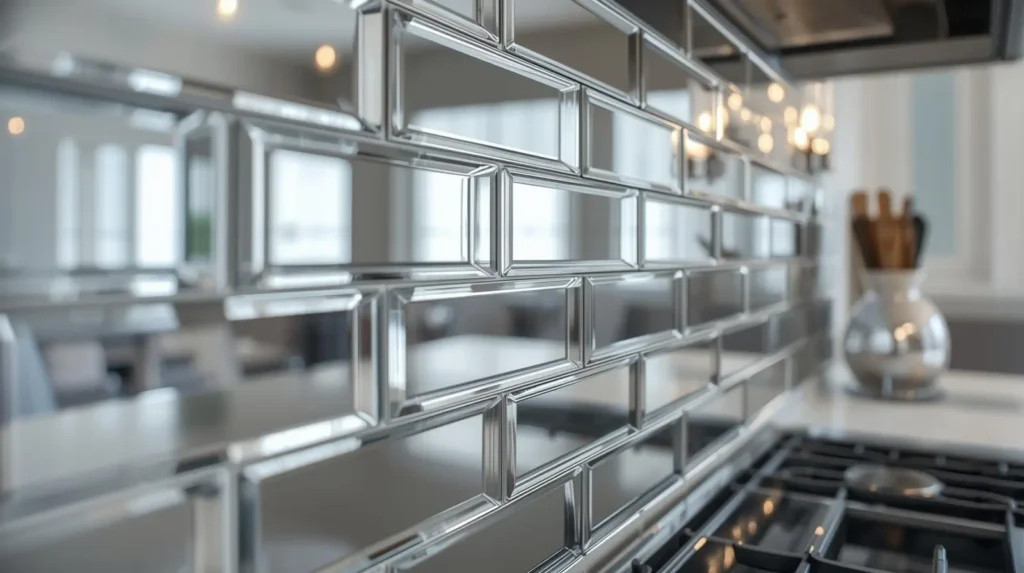
2. Mirror Glass Subway Tiles

Mirror Glass Subway Tiles

These tiles use an “aged” or foxed glass finish to provide a cool charm.

Why we love it: It creates a sense of “infinite space.” When light hits the beveled edges, it scatters across the room, making the kitchen feel bright, expensive, and deeply sophisticated.

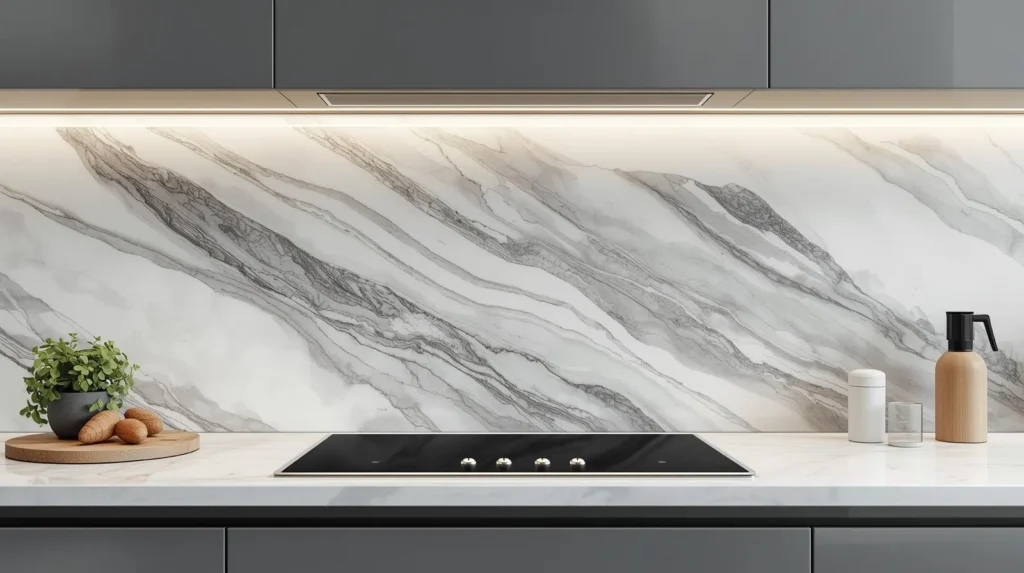
3. Seamless Marble Slab Extension

Seamless Marble Slab Extension

Forget grout lines. One of the most sought-after white kitchen splashback ideas involves extending the countertop material all the way up the wall to the cabinetry or ceiling. 

Why we love it: It’s the ultimate expression of minimalism. The continuous flow of veining from the horizontal to the vertical plane creates a high-end look.

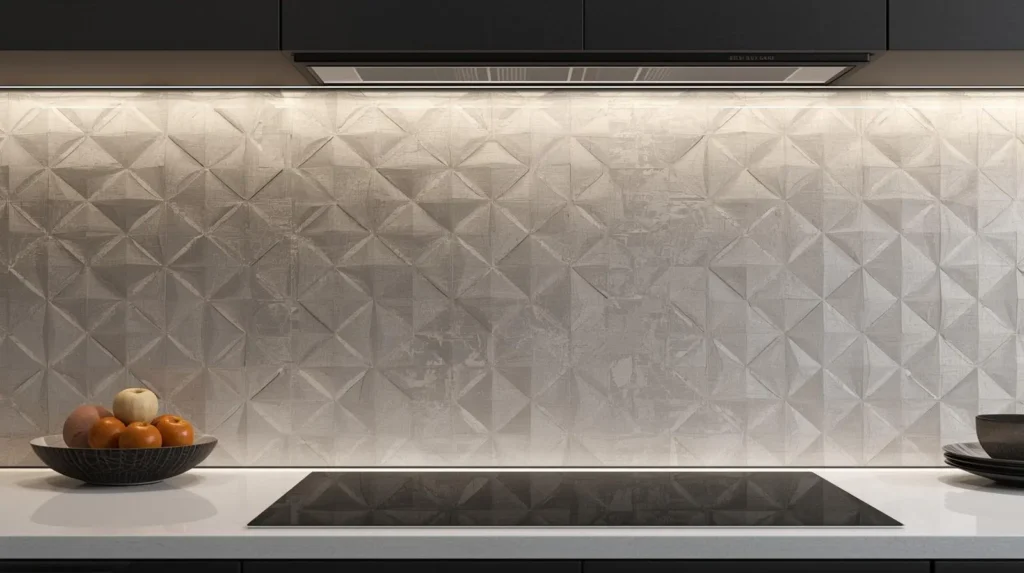
4. Geometric 3D Textured Tiles

Geometric 3D Textured Tiles

Texture is the new color. These tiles use varying thicknesses or raised patterns (like fluted or wave shapes) to create shadows and highlights.

It changes appearance throughout the day as the sun moves or as under-cabinet lighting is dimmed. It’s a tactile experience that adds a third dimension to your walls.

Why we love it: It adds “visual weight.” In an all-white kitchen, 3D tiles provide the necessary contrast to keep the space from feeling flat.

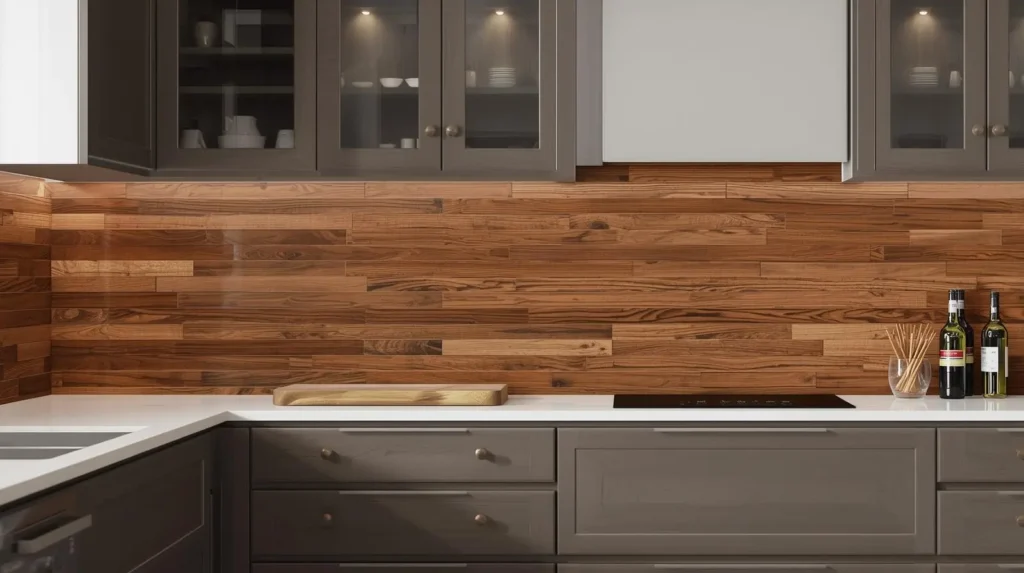
5. Modern Kitchen Wood Backsplash

Modern Kitchen Wood Backsplash

It pairs perfectly with black hardware and stone countertops, hitting that popular “Organic Modern” aesthetic.

Why we love it: Wood naturally softens the hard surfaces of a kitchen (appliances, stone, metal). It creates a cozy, inviting atmosphere that makes the kitchen feel like part of your home.

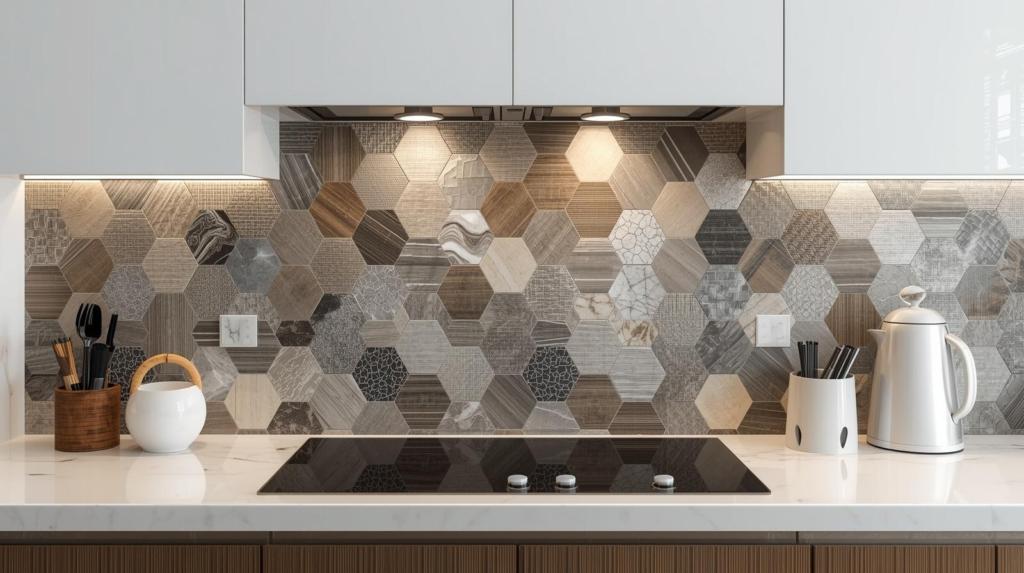
6. The Mixed-Material Hexagon

Why choose one when you can have both? This design mixes marble, glass, and even metal within a single hexagon grid.

It’s a custom-blend approach that allows for personalization. You can find these pre-mixed in floor and decor backsplash aisles, making high-end design accessible.

Why we love it: The juxtaposition of matte stone against glossy glass or shimmering metal creates a “jewelry box” effect. It’s intricate and balanced look.

7. The “Retro-Chic” Mosaic

The Retro-Chic Mosaic

Unlike the flat, monotonous tiles of the past, it has intricate geometric patterns.

Believe me, it will look dope if you design it properly. The modern twist of this design is the color palette; by using muted teals, charcoal, or terracotta, the design feels grounded rather than dated.

Why we love it: These tiles often feature a slightly glazed or handmade “Zellige” finish that catches the light. It prevents the backsplash from looking like a flat sticker.

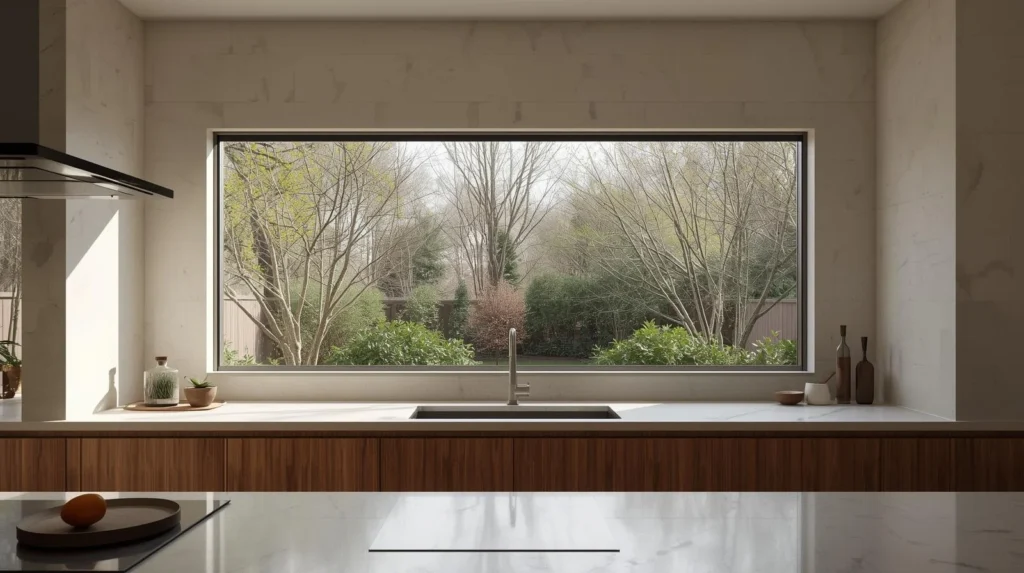
8. Make Kitchen Window Your Backsplash

Make Kitchen Window Your Backsplash

Here comes the most favorite design of them all.

When everyone is putting fancy decals and tiles on the backsplash, you can do something different. Use a window as your backsplash so that when cooking or washing dishes, daily chores feel less tedious.

Why we love it: It makes the kitchen look raw, airy, and welcoming. This layout is especially effective when paired with clever kitchen nook designs to create a seamless, light-filled breakfast spot right by the view.

What Is the Cheapest Kitchen Splashback?

The most cost-effective cheap kitchen splashback ideas that don’t look cheap, in order of affordability:

  • Peel-and-stick vinyl tile panels: There is no installation cost, and they are fully removable.
  • Painted wall: Paint applied over existing surfaces costs very little and creates a sophisticated, solid matte finish.
  • Standard ceramic subway tile: One of the most affordable permanent options; easy enough to install as a DIY kitchen splashback project.
  • Brick-look porcelain: High-character finish at a mid-range tile price point.

Every home has its hidden gems, the nooks and crannies that most people walk past without a second glance. But I’ve spent years helping homeowners rethink exactly those overlooked corners, and I can tell you with confidence: they hold more potential than almost any other area in your living room. Whether you have a compact apartment or a sprawling family home, a well-designed nook can shift the entire feel of your space.

I think the real magic of a cozy living room nook lies in its intentionality. It’s a corner with a purpose, a place to read, reflect, work, or simply breathe. Let me walk you through my top seven ideas, each one grounded in real-world design experience.

1. The Classic Reading Retreat

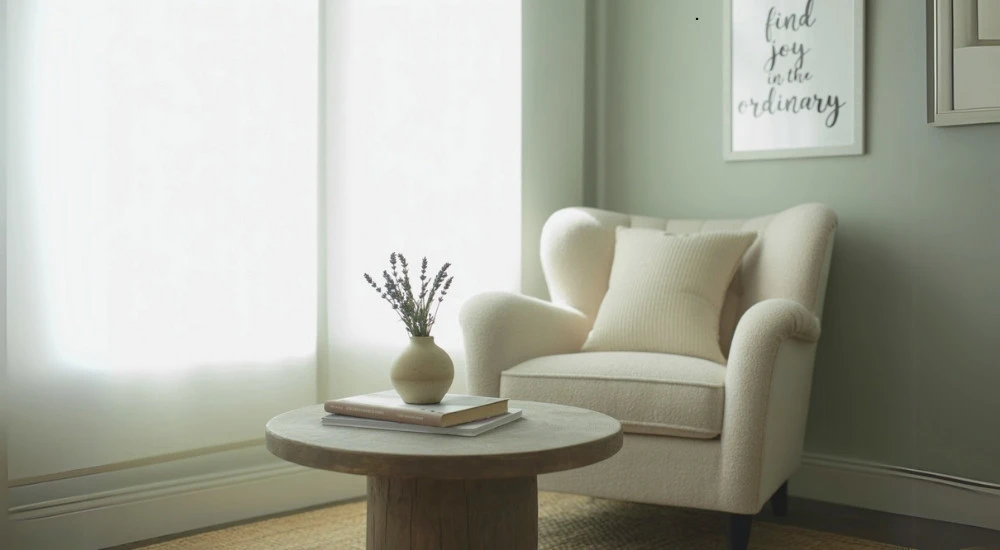
For nearly every client, I recommend a reading nook. Place a comfortable armchair in a quiet corner, add an overhead wall-mounted shelf for books, and layer lighting. Combining a floor lamp with a directional sconce turns a functional spot into an inviting one.

Add a wool throw and a small side table to enhance comfort. These simple touches create a relaxing nook without requiring renovations.

2. The Bay Window Showstopper

In my opinion, nothing beats a bay window nook for raw design impact. The architecture does half the work for you. Build a window seat design with a cushioned bench and hidden storage underneath, and suddenly you have a small-space seating solution that looks custom and costs far less than a built-in sofa.

Frame the window with floor-length curtains to create a cozy, modern sanctuary within your larger room.

3. The Boho-Inspired Corner

A boho living room nook is popular. Layer woven textiles, rattan furniture, and macramé to create a warm, personal corner. This style thrives on texture and imperfection, so don’t overthink it.

Add indoor plants like pothos or a fiddle-leaf fig, or terracotta pots, to bring the corner to life. Let the decor build itself.

4. The Minimalist Work Corner

Not every nook is for leisure. A slim desk, monitor, and floating shelf create a functional office nook that blends in. I’ve designed these for remote workers who need a workspace without taking up an entire room.

Keep the design clean and minimalist, fewer, better objects make the space feel intentional. Cable management and a neutral palette help it disappear when not in use.

5. The Budget-Friendly DIY Nook

A beautiful nook doesn’t need a big budget. A DIY nook with a secondhand chair, peel-and-stick wallpaper, and IKEA shelf can cost under $150 but look professionally designed.

This is ideal for rentals; everything is reversible, nothing is permanently fixed, yet it creates a cozy corner that adds character to any room. It’s a makeover on a shoestring.

6. The Luxury Lounge Nook

On the luxury end: velvet seating, built-in cabinetry, and a statement pendant. The nook becomes an interior highlight.

The best luxury nooks have one standout feature, an eye-catching chaise or bold banquette, and restrained surroundings. Add a marble side table and a curated selection of books for a guest-friendly corner.

7. The Tiny Nook That Works Harder

Tiny living room nooks are underestimated. Even a two-foot space can fit a stool, narrow shelf, and pendant. Think vertical, not horizontal.

Such a nook needs three things: a defined zone (even a small rug works), good lighting, and one standout piece. It adds coziness even without a library.

Pro-Tips for Nook Success

Regardless of which style you choose, follow these three universal rules I use for every project:

  • Define the Zone: Use a small area rug to “fence in” the nook.
  • Lighting is Vital: Never rely on the big “overhead” light. A dedicated sconce or floor lamp is a must.
  • Scale Matters: Measure twice! In a tiny living room nook, every inch counts. Ensure your furniture doesn’t block the natural flow of traffic.

Final Thoughts

The most effective nooks I’ve created were purposeful, not just large or expensive. Whether your goal is reading, working, or relaxing with plants and cushions, defining the purpose of your nook is what truly transforms it. Consider how you want to use the space, and design your nook with that clear intention in mind.

Start with just one overlooked corner. Transform it thoughtfully, and you might discover it becomes your favorite spot at home; that’s the power of an intentional living room nook.

All work and no play make Jack a dull boy. Just like that, all light hues and no dark touch can make your interiors boring sometimes. What about playing a bit with colours? Dark trims light walls trend is a signature move to uplift the ambience without losing the classiness of light shades.

As a fan of light shades, I can understand that painting your trims with dark colours can feel daunting. But, believe me, you are just one step away from revamping your interior, i.e, choosing the right colour combination. Let’s dive into colour and space details to style your interior in the best way possible.

Why should you try a dark trim-light walls combo?

Dark trims add drama and depth, while white walls are subtle and classy. Together, these two seamlessly blend elegance and sophistication.

Defines the space: Dark trims outline your space just like a frame outlines a painting.

Highlights cool details: As an interior designer, I want to make the most of every inch, and dark trims fulfil the purpose very easily. They just draw your eyes towards specific details, the tall ceilings, doors, windows, and furniture.

Make a statement: It is an inexpensive yet clever trick to enhance focal points in the room.

How to pick the right shades for a dark trim and light walls interior?

I remember how I leaned over the colour wheel, testing a hundred combinations during the whole painting process. Colour choices can make or break the look very easily. So, note these key takeaways;

  • Make sure that the trim colour complements the wall and ceiling paint. And not only colors, you must balance the undertone as well. If you are going for cool-toned light wall paint, warm dark trim is the right idea and vice versa.
  • Here, illumination of the room also plays a key role. North-facing rooms have colder light, so balancing the look with warmer shades is a great idea. East-oriented rooms work well with cool tones owing to strong morning light.

Pro Tip: Pick up a set of small tester colors and test them in natural and artificial light.

What spaces go best with dark trims?

It is also important to consider where you are following the trend of dark trim interior. For airy and spacious rooms, painting trim darker than the walls is an excellent choice. However, you need to be a little careful with small and occupied rooms. The following are places where dark trims can do wonders;

Bold entrance says warm welcome

Bold entrance says warm welcome

Imagine painting your entryway subtle grey paired with a matte black trim and door moulding with a yellow headlight illuminating the contrast. The welcoming feel it holds is impeccable. Don’t forget to pair your door hardware with light walls, dark trim and door contrast to add extra depth.

Modern bedrooms | Make a difference

Modern bedrooms | Make a difference

In modern bedrooms, people often focus on incorporating expensive accents and furniture to elevate the luxury. What about styling bedroom walls with a basic colour palette? White walls with color trim never disappoint.

Here are some vibrant color ideas you might need;

1. Crisp white rooms with black trim

Crisp white rooms with black trim

Whatever the modern aesthetics offer, the fan following of white walls, black trim interiors is consistent. For spacious rooms, black baseboards and window trims perfectly outline the space.

Best for:

  • Spacious rooms
  • Modern aesthetics
  • Clean-lined architecture

Tip: Use a soft black or charcoal instead of pure jet black in smaller rooms.

2. Beige walls and olive green trim

Beige walls and olive green trim

If you want a vibrant, airy and classy look, no other contrast can compete with this one.

Works beautifully in:

  • Bedrooms
  • Living rooms
  • Nature-inspired interiors

3. Navy blue trim, white walls

Navy blue trim white walls

The trend of blue shades in bedrooms is growing, and I just love the way this color combination seamlessly builds an intimate and elegant atmosphere.

Ideal for:

Make darker trims work for smaller rooms

Make darker trims work for smaller rooms

One query my clients mention very frequently is: dark trims won’t work well with small rooms. Here are some techniques besides basic dark baseboards, light walls thing to make dark trim interior perfectly work in smaller rooms;

  • Uplift your space by painting the ceiling trim darker. This creates a visual illusion of taller ceilings.
  • Create focal points by moulding artwork with dark trim.

To preserve the ambience of small rooms, board and batten half walls and mid-wall trim ideas work great by avoiding furniture scratches.

Colour combinations:

While painting small rooms, balancing the look is important. I prefer going tonal with small spaces because a bold contrast can overwhelm the space. Paint the trim two shades darker than the walls and ceiling.

Aiming for a calm and cozy vibe? Try ash grey walls with dark grey trims or creamy white walls with beige trims. Wanna go eclectic? Light blue with turquoise looks amazing.

Add character to living rooms

Add character to living rooms

Living rooms demand a stylish, moody yet comfy atmosphere. Darker trims paired with bright walls is a smart idea to achieve that balance. You can consider shades like creamy white with dark chocolate brown or light grey with charcoal.

Living rooms look incomplete without wood accents. Modern white walls and wood trim interiors work best for these places. Board and batten wall ideas are also a great choice to upgrade the charm.

Maintenance tips

Dark trims with bright walls are just love. But at times, you may get irritated by the prominent dust marks and popping fingerprints. Don’t worry, the added ambience is worthy of this little care.

  • Add a semi-gloss finish to trims for less wear and tear and easy cleaning.
  • Regularly wipe the dust and stains with a damp cloth.
  • For stubborn stains, you can get special cleaners from the market.
  • If all your cleanliness efforts are fruitless, it’s time to pick up the paintbrush.

Conclusion:

Dark trims are a budget-friendly move to uplift style nowadays. The way this combination carries depth and calmness is smart. If you are thinking about a dark trim light walls combo, don’t hesitate. Just a bit mind-boggling with the colour wheel, and here you go.

Also Check: How to Clean Textured Walls.

After a decade of helping homeowners reclaim their square footage, one thing has become crystal clear: you don’t need a spare bedroom to build a high-performance workspace. In fact, some of my most successful home office transformations have happened in the most unlikely nooks and crannies of a house.

Whether you are dealing with a cramped apartment or a sprawling suburban home with “dead zones,” these office nook ideas focus on ergonomics, flow, and visual harmony. Based on the design principles we prioritize at Beloved Nook, here is how to turn that neglected corner into a modern office nook that actually inspires deep work.

1. The Architectural Advantage: Built-in Desk Nooks

built-in office nook

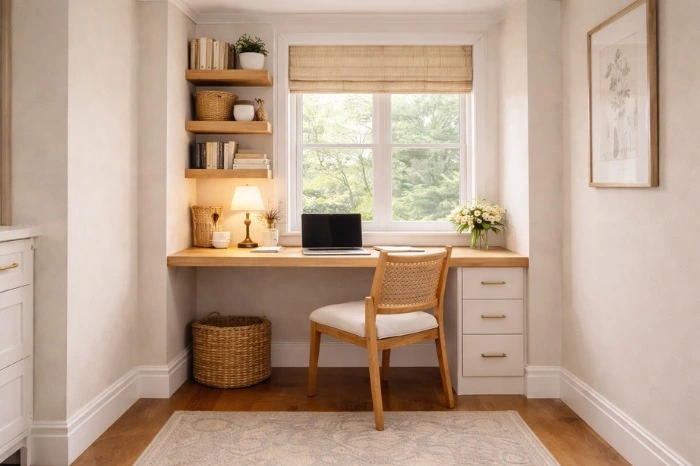
If you have an alcove or a recessed wall, a built-in desk nook is the gold standard for space optimization. By custom-fitting a desktop from wall to wall, you eliminate the “visual noise” of desk legs and gaps where cables hide.

Pro Tip: Use a thick butcher block or a floating stone slab for the desk surface. It feels permanent and high-end, instantly elevating nook design ideas from temporary to structural.

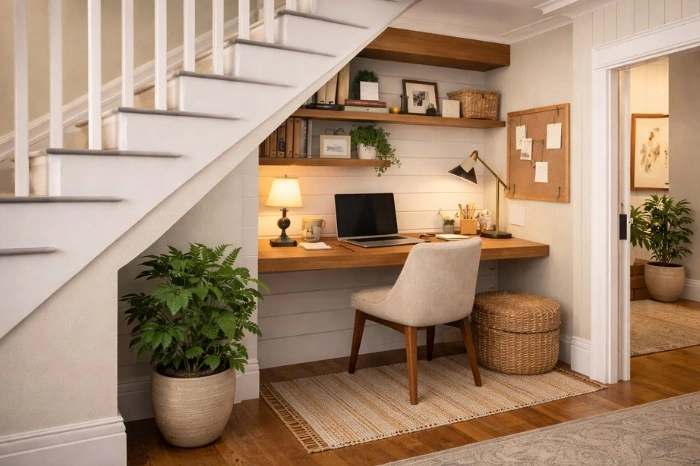
2. Under Stairs Office Nook: The Ultimate Space-Saver

under stairs office nook

The under-stairs office nook is the “white whale” of small-space design. It’s often awkward and sloped, but with the right office nook designs, it becomes a private cockpit.

Design Strategy: Use the deepest part of the slope for your monitor and the higher end for shelving. This prevents the “cave” feeling and maximizes vertical office nook organization ideas.

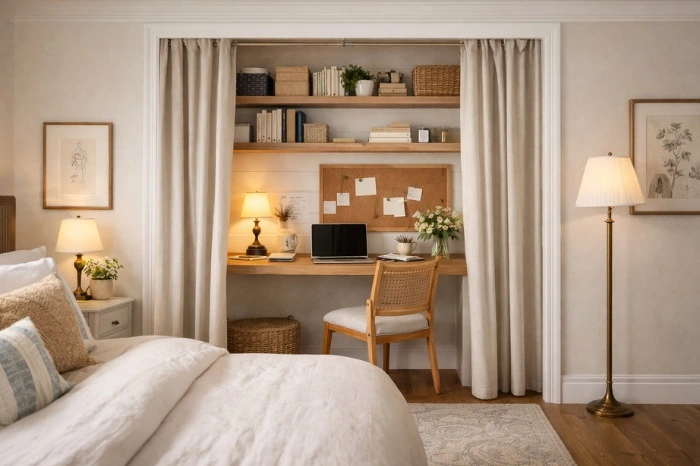
3. The Bedroom “Office” (Closet-Office)

Bedroom Office Nook

For those struggling with bedroom office ideas, look to your closet. By removing the doors or replacing them with linen curtains, you can tuck a small office nook away from your sleeping sanctuary.

Expert Advice: Keep the palette neutral. A minimalist office nook in a bedroom helps your brain “switch off” when the workday ends.

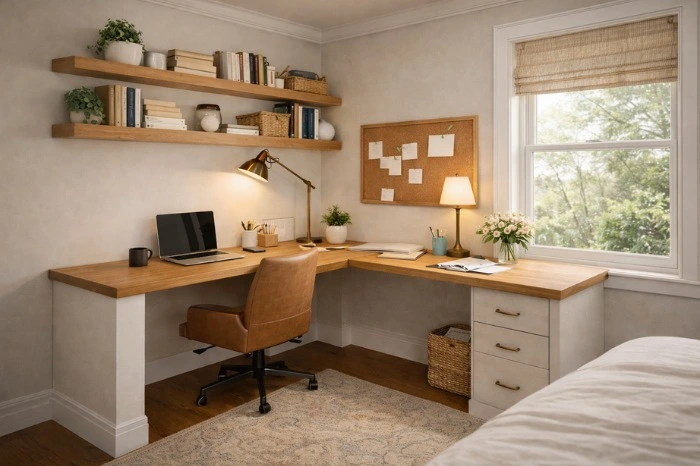
4. The Productive Corner: L-Shaped Efficiency

corner office nook

A corner office nook is often underutilized. Instead of a tiny table, use a wrap-around surface. This corner desk setup allows you to separate your “computer zone” from your “analog zone” (where you handle paperwork or coffee).

Trend Alert: Floating corner shelves above the desk provide ample storage without the bulk of a heavy cabinet.

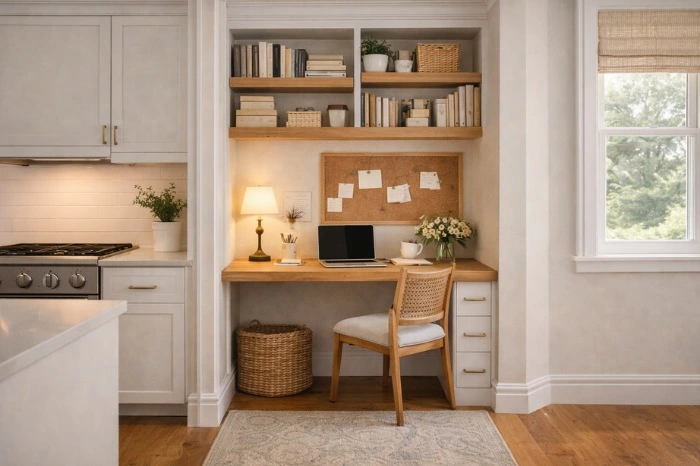
5. Kitchen Command Centers

small home office nook

The desk nook is making a massive comeback in kitchen design. Usually located at the end of a cabinetry run, a small home office nook here allows you to manage household schedules or take quick Zoom calls while staying central to the home’s pulse.

Practical Tip: Match the desk material to your kitchen counters for a seamless, modern office nook aesthetic.

6. The “Hidden” Entryway Nook

computer nook setup

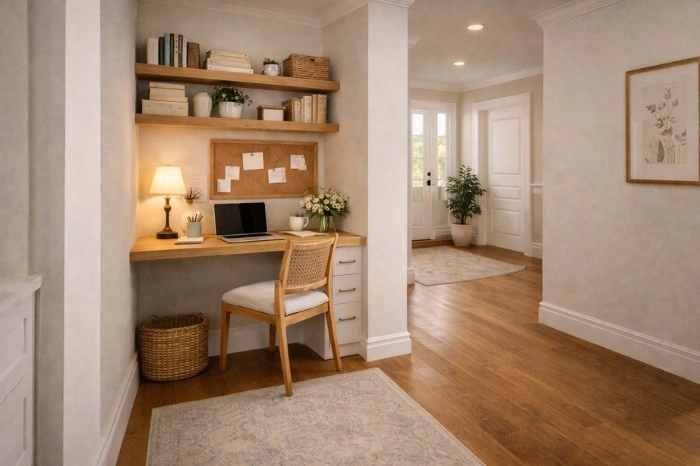
Many homes have wide entryways or hallways that serve no purpose. A shallow computer nook setup, using a desk no deeper than 18 inches, can turn a transition space into a functional work-from-home nook.

Styling: Use a ghost chair (clear acrylic) to keep the hallway feeling open and airy.

7. The Cozy Window Retreat

cozy office nook

Natural light is a powerhouse for productivity. According to research from the National Institutes of Health (NIH), daylight in workspaces significantly boosts cognitive function and sleep quality. At Beloved Nook, we suggest placing your cozy office nook by a window to provide a natural “view break,” which reduces digital eye strain.

DIY Hack: Reinforce a deep windowsill to create a diy office nook setup, just add a stool and you’re ready to work.

8. The Library-Inspired Reading Nook Hybrid

Reading Nook Ideas

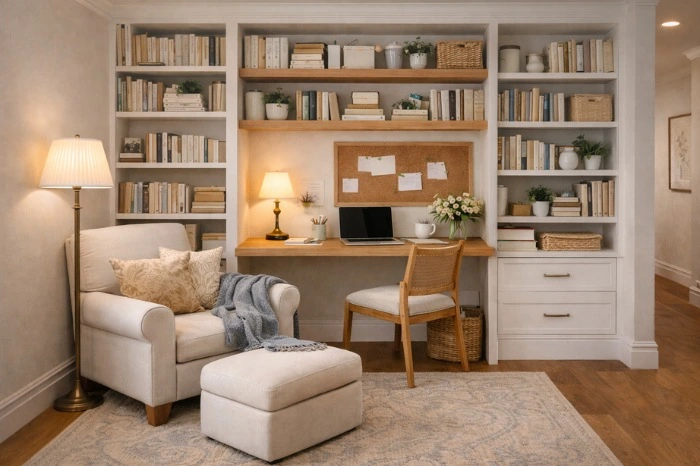
Who says a workspace can’t be plush? By blending reading nook ideas with a functional desk, you create a multifunctional retreat. Use floor-to-ceiling bookshelves to frame a small writing desk.

Design Tip: Add a high-quality task lamp with a warm bulb to maintain the cozy office nook vibe in the evening.

9. Budget-Friendly Floating Workspaces

budget office nook ideas

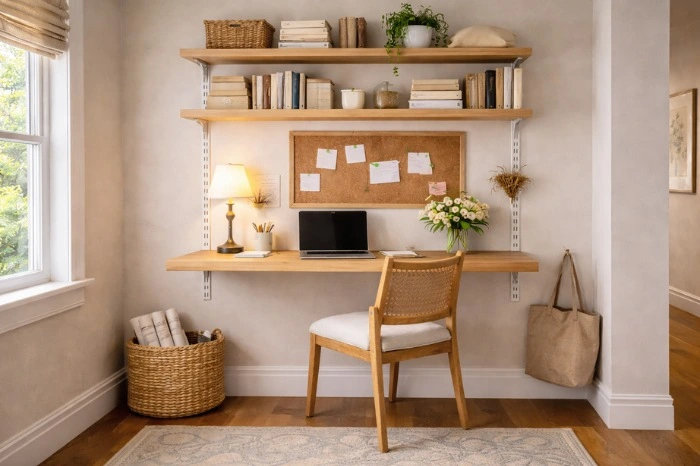
If you are looking for budget office nook ideas, skip the heavy furniture. A simple wall-mounted rail system with adjustable brackets lets you create an office nook that grows with you.

Organization: Use pegboards above the rail to keep your supplies off the desktop, maintaining a minimalist office nook look on a dime.

10. The Artistic “Niche” Office

nook office ideas

For those who want a creative office nook design, think vertically. Use bold wallpaper or a contrasting paint color inside your nook office ideas to visually “zone” the area. This creates a psychological boundary between “home” and “work” without needing a door.

FeatureExpert Recommendation
LightingLayer your light. Use a mix of natural light, overheads, and a dedicated task lamp.
ErgonomicsEven in a small office nook, your screen should be at eye level. Use a monitor riser if needed.
Cable ManagementUse “J-channels” or underside baskets to hide cords. Nothing ruins built-in office nook aesthetics like a tangle of wires.

Final Thoughts from the Designer’s Desk

The secret to a successful home office nook ideas gallery isn’t about how much money you spend, it’s about how well you define the boundary. When you treat a small corner with the same design intentionality as a full room, it stops feeling like a “placeholder” and becomes a destination.

Focus on space-saving workspace ideas that prioritize your physical comfort. A beautiful desk is useless if your back hurts after an hour. Invest in a quality chair that fits the scale of your nook office ideas, and you’ll find yourself more productive than ever.

There’s something incredibly comforting about having a little corner in your home that’s entirely your own. A nook may not take up much space, but its impact goes far beyond square footage. When thoughtfully put together with the right nook design ideas, it becomes a micro-environment that nurtures calm, creativity, and a sense of belonging.

These small spaces often end up being the most meaningful, where you begin your day with a warm cup of coffee or wind down with your favorite book.

7 Nook Design Ideas to Transform Small Spaces into Cozy Retreats

1. DIY Reading Nook Ideas for Small Spaces

Reading Nook Ideas for Small Spaces

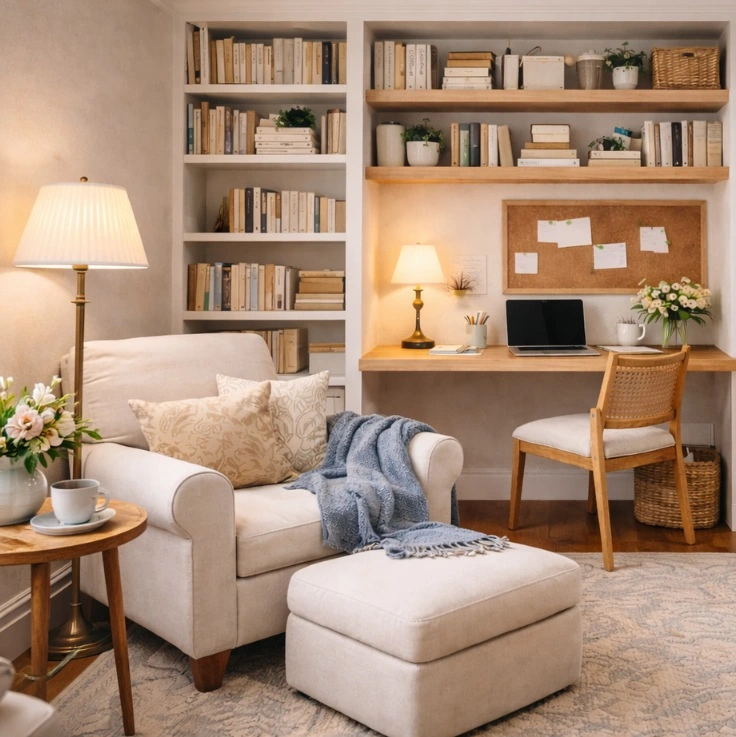
The reading nook is an important part of the home, customized to reflect and display the preferences. You can keep it minimal yet elegant by putting floating bookshelves, cushion benches or comfortable sofas under the window covered by throws and oversized pillows.

A touch of warmth can be added through soft lighting and some greenery. Consider focusing on cozy scale and smart use of corners. The signature layered style may be inspired by celebrity designers Jeremiah Brent and Nate Berkus, that makes even the smallest nook seem elevated.

The reading corners often combine a linen armchair, antique side tables, and sculptural floor lamps which are anchored with a vintage rug and a well-worn stack of books. Voilà! The inviting spot, worthy of a magazine spread, is created effortlessly.

To personalize your nook, include items that hold sentimental value like a tactile throw blanket or a single, oversized plant. Not only does this reflect your personal journey and experiences, but it also adds a creative, meaningful touch to the space.

I could live in a studio apartment, and as long as I was surrounded by things that matter to me, I would feel like I was at home. — Nate Berkus

2. Nook Ideas for Living Room

Nook Ideas for Living Room

Add a personal touch to your living room nook with meaningful décor. A curated vase, a thoughtful sculpture, or a meaningful painting can add soul to the space. Warm it up with soft lighting, an elegant lamp, a small chandelier, or even a few candles.

Add a coffee table for comfort, a mirror to reflect light, and curtains to complete the look with softness and grace. You could also create visual impact by painting an accent wall or board or batten wall in a rich tone or using textured wallpaper. These nooks serve as mental and emotional respites within the home.

3. Stylish Work Nook Ideas

Stylish Work Nook Ideas

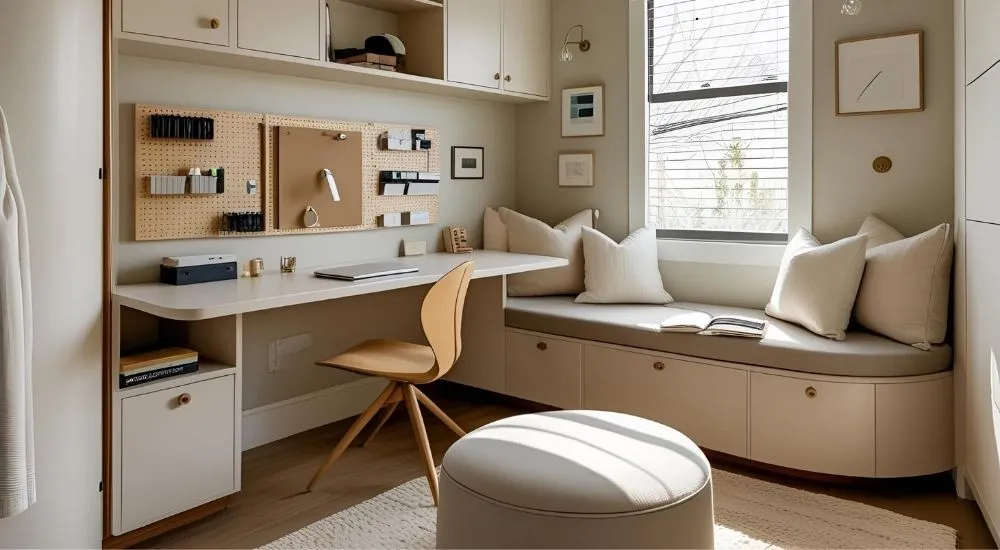
You can convert an unused corner or space into a workspace nook. The functional workspace nook ideas are the use of a slim desk, wall-mounted organizers, and pegboards.

The calming hues induce better focus. Built-in cabinets, ottomans, and curved furniture add texture to the space. Looking to upgrade your work-from-home space? These bedroom office ideas will spark creativity.

4. How to Decorate a Nook in the Wall

How to Decorate a Nook in the Wall

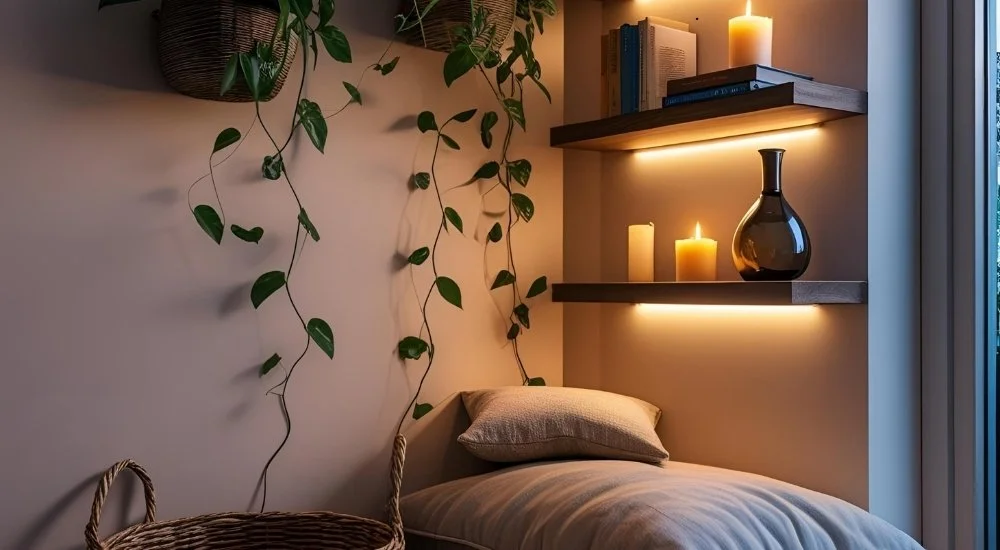
Even the tiniest wall recess can become a charming feature with the right elements. Think floating shelves holding books, a vase, or a candle, or a candle flickering gently beside a small trailing plant for wall nook ideas.

You could tuck in a woven basket underneath or add a soft cushion to turn it into a mini retreat. Layer in warm lighting like a soft LED strip to make the space glow in the evenings. It is a quiet yet meaningful way to add depth and personality to your walls, especially when space is limited.

5. Garden Nooks for Outdoor Peace

Garden Nooks for Outdoor Peace

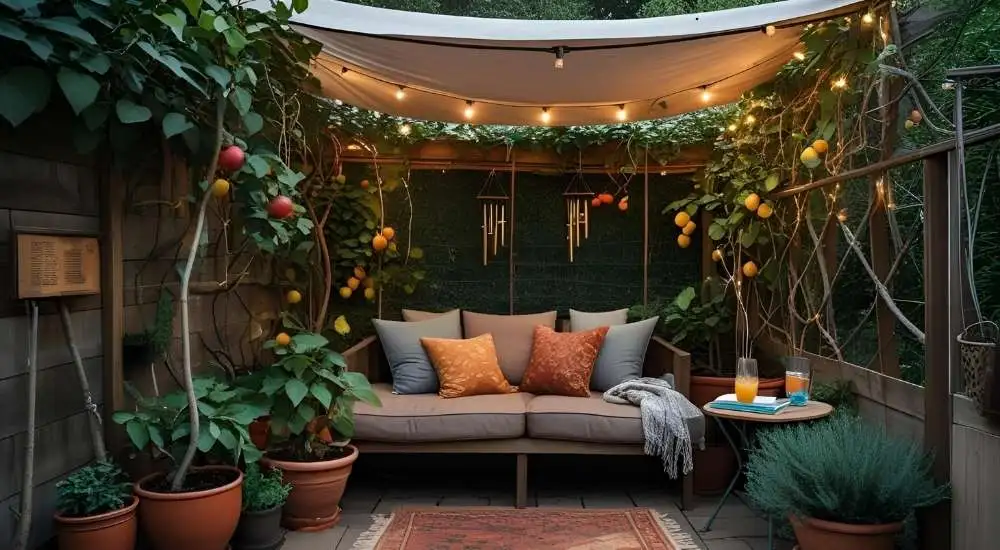
A garden nook is a small, secluded outdoor space crafted within a backyard or garden setting that offers connection to nature. To ensure the nook is inviting, you can create shade with a canopy, or large umbrella. Adding cozy seating is essential such as a weather-resistant bench, hammock, or cushioned chairs.

Incorporate natural elements like potted plants, flowers, or climbing vines to the nook with the garden’s greenery. Fruit-bearing trees, like those in Kim Kardashian’s garden nook, add a touch of life. In order to add warmth, soft lighting such as solar lanterns, fairy lights, or candles can be used.

A simple outdoor rug can frame the space beautifully and enhance its tactile appeal. Personal touches such as decorative throw pillows, wind chimes, or a small stand that holds beverages, books, garden tools, or cushions.

6. Kitchen Nook Design Ideas

Kitchen Nook Design Ideas

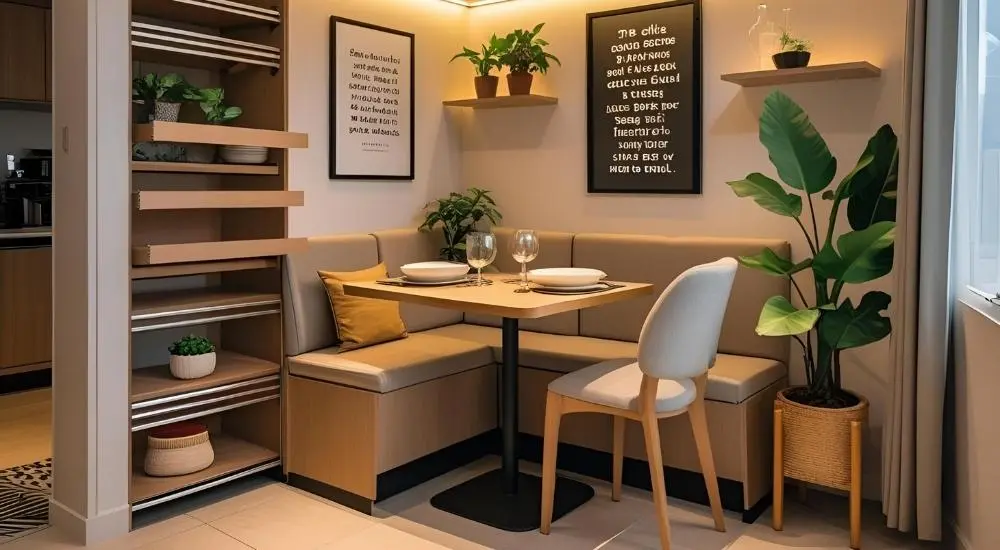
A kitchen nook could consist of a small table and chairs set up in a kitchen corner or elsewhere in the room that can seat people for the meals.

You can add sliding racks, fordable dining tables, even comfortable furniture, especially soft chairs, which maximize storage functionality without compromising aesthetic appeal while giving the seating comfort.

The modern kitchen nook design involves placing a lamp, indoor plants, or even incorporating creative splashback ideas on the adjacent wall to alter the space ambiance and bring visual interest.
7. Bar Nook Inspiration

Bar Nook Inspiration

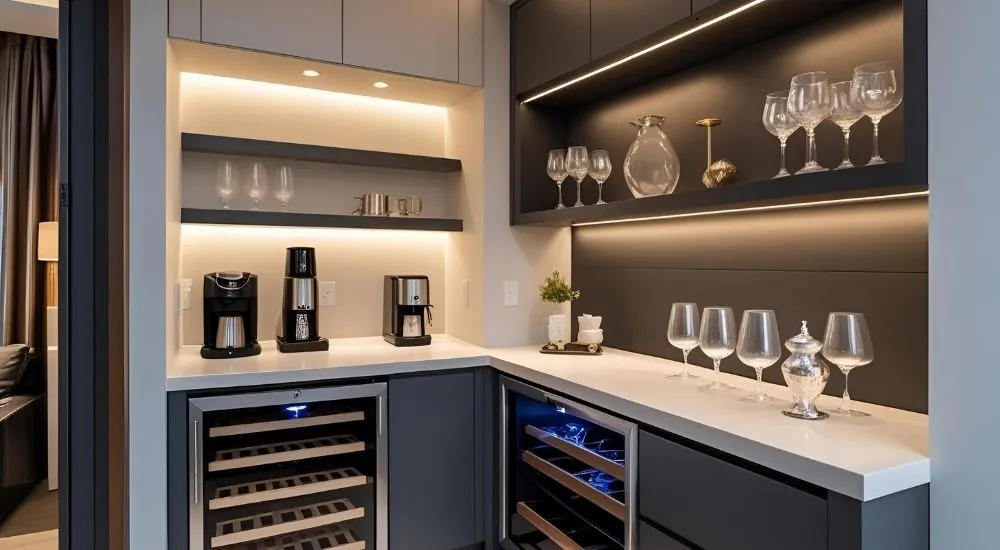
Bar nook design ideas work well in transitional spaces between the kitchen and living areas. Trying to create beverage stations such as coffee, juice bars or wine bars have become a prominent trend.

It is actually a standalone unit designed specifically for the preparation and serving of coffee and other beverages. You can enhance storage by placing cabinets beneath a well-finished countertop. The cabinet offers room for the equipment. Consider placing a wine cooler within the cabinet for added convenience.
The countertop serves as a prep area for beverages. Coffee bar nook is also a great attraction for caffeine lovers. The station also serves as a decorative feature, showcasing elegant cabinetry and stylish drink ware or wines. It also keeps the area spacious.

Conclusion:

In today’s fast-paced lifestyle, having a designated spot for slowing down can do wonders for your mood and overall mindset. It’s a way of making a home feel lived-in, personal, and grounded. Beyond just being pretty, these nooks help build daily rituals that bring mindfulness and peace. They encourage us to stop, breathe deeply, and fully exist in the moment.

How to design a cozy reading nook?

Choose a quiet corner with good lighting, add comfortable seating, layer soft cushions and blankets, include a small table, and personalize the space with books and decor.

What is a cozy nook?

A cozy nook is a small, comfortable corner in your home designed for relaxing, reading, or unwinding.

What are must-have items for a cozy corner?

Comfortable seating, soft textiles (blankets and cushions), warm lighting, a small side table, and a few personal touches like books or plants.