Category

Interior Design

Category

Have you ever been awestruck by a mere glimpse of someone’s home at the exact moment you entered it? When I first looked at the board and batten wall at my friend’s home, I was fascinated to see how it had added elegance, charm and delicacy into her space. After that experience, I was motivated to reflect upon DIY Board and Batten Walls Ideas and style my home using them.

Understanding Board and Batten Walls

Board is a term that refers to wide wooden panels while batten means narrow timber strips. Board and Batten walls are those ornamental and decorative patterns created on walls that add grace and artistry which is attained by incorporating broad and thin pieces of wood.

In ancient times, barren and boards were used in the exterior part of the home. Board and batten in the exterior of the home gave definition to the structure of the house, increased its worth and gave the residents feeling of contentment. Now it is used as a home decor and to store accessories.

These were considered to be outdated for the time being but now people have begun to realize the value of walls adorned by this technique.

Top 5 Ideas to Create DIY Board and Batten Walls Like A Pro

Here are 5 ideas and a step-by-step guide to join the bandwagon. Happy reading and learning!

1. Living Room Board and Batten Wall Decoration
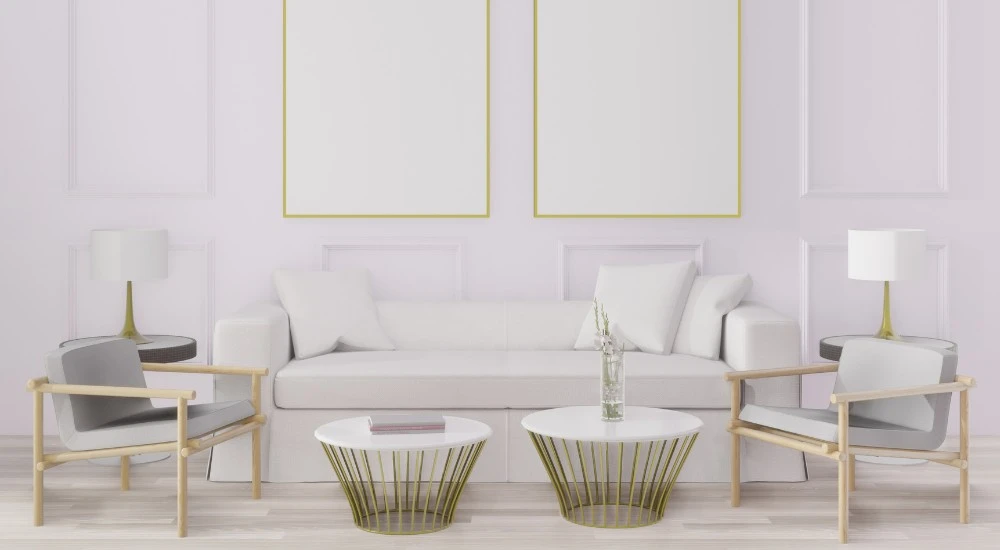
Living Room Board and Batten Wall Decoration

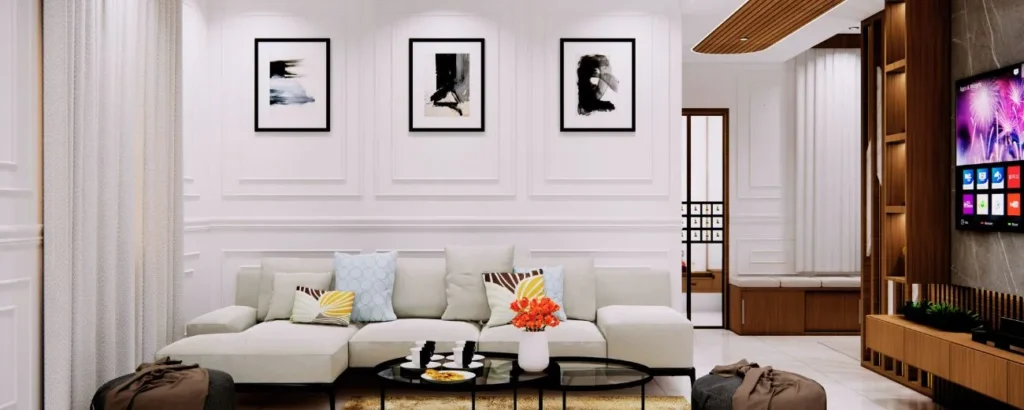
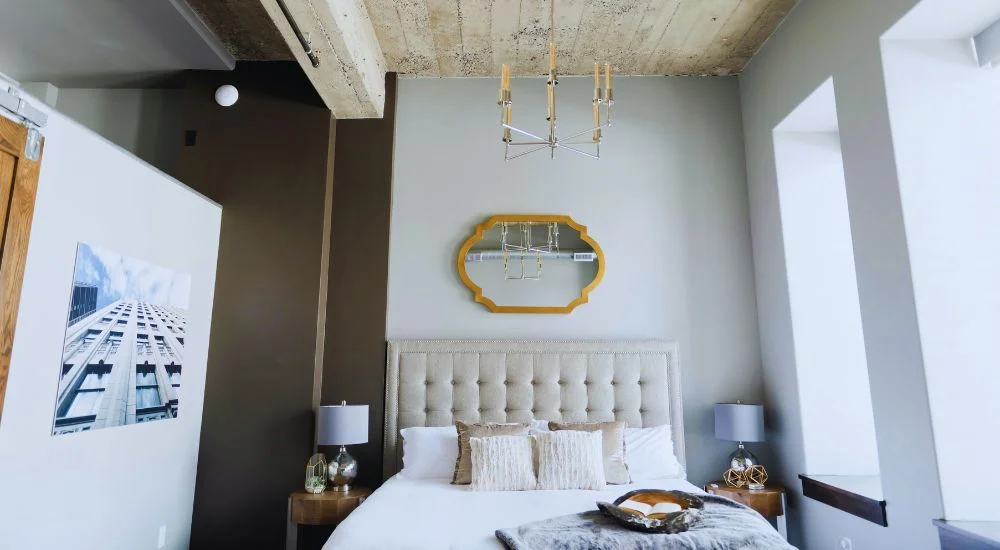
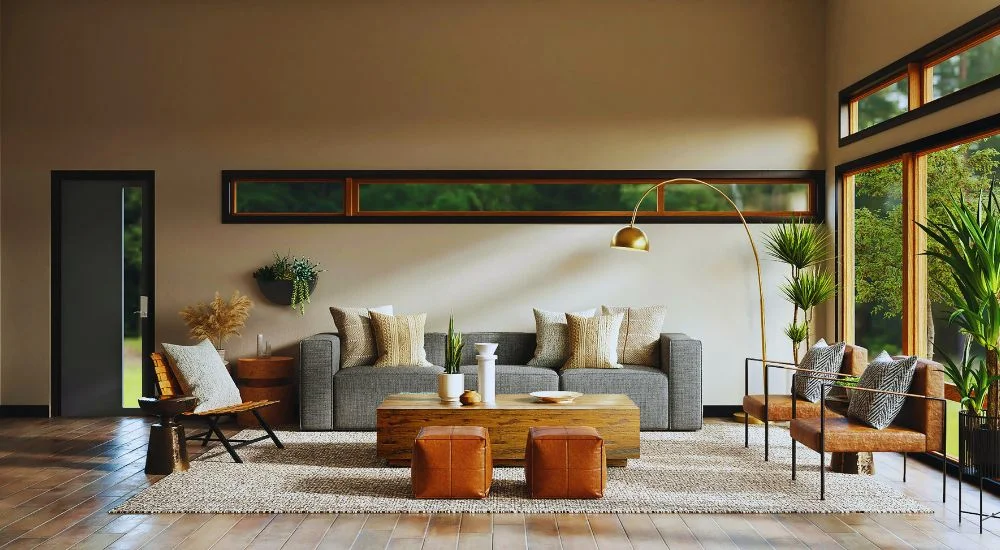
You can adorn the living room by using timber in horizontal as well as vertical order. By using multiple strips of timber in a contrasting scheme of colors, you can create your own board and batten wall in the living room.

It is a great idea to upgrade your living room. You can also place paintings, and rugs that compliment the furniture and paint of your living room. In case you are a Phytophile (Plant Lover), you can place plants near to the wall. Rustic board and batten interior walls are also an expression of elegance and have a classic taste!

2. Bedroom Board and Batten Wall Decor Ideas
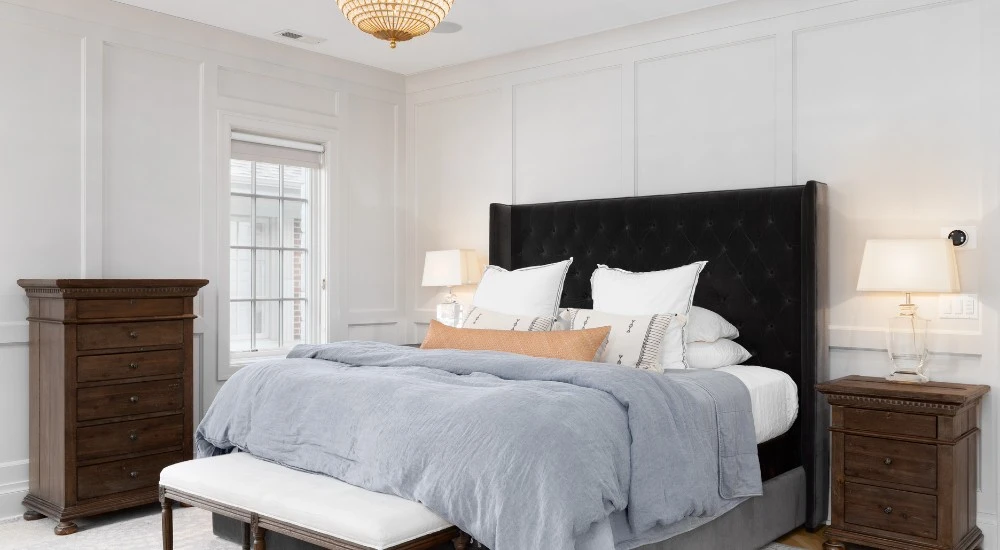
Create DIY Board and Batten Walls

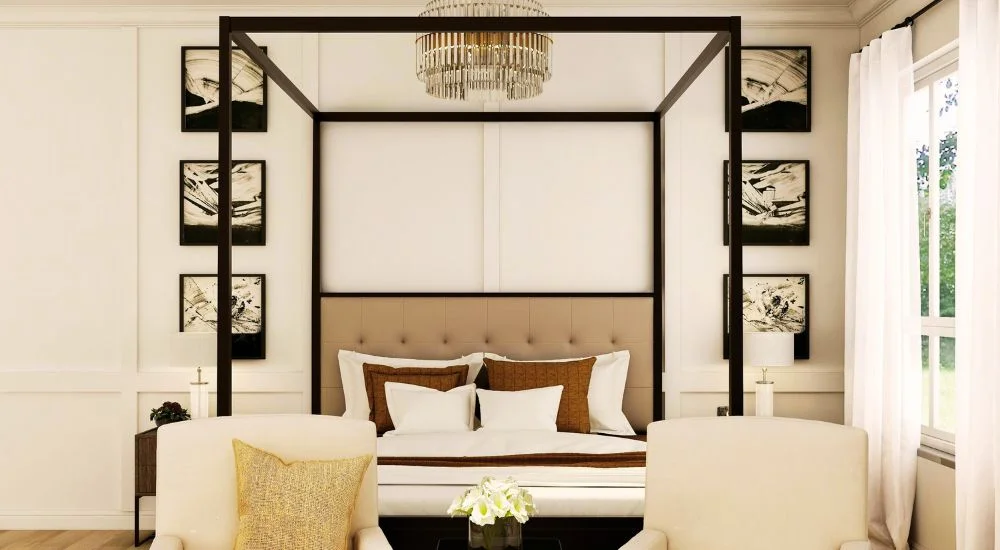
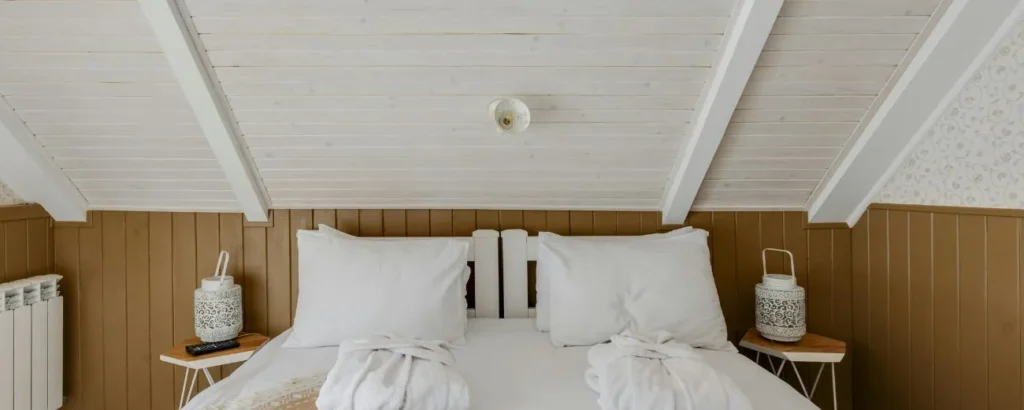
You can use the same maneuver to embellish the bedroom as well. Add some modern art to the clean white walls and create a more inviting and personalized space. Don’t forget to incorporate soft lighting and soothing colors if it is a teen bedroom design. For a sophisticated touch, consider pairing the board and batten walls with a classy black and white bedroom decor, which complements the timeless elegance of the wood patterns and creates a striking, modern contrast.

3. Restroom And Water Closet Renovation Ideas
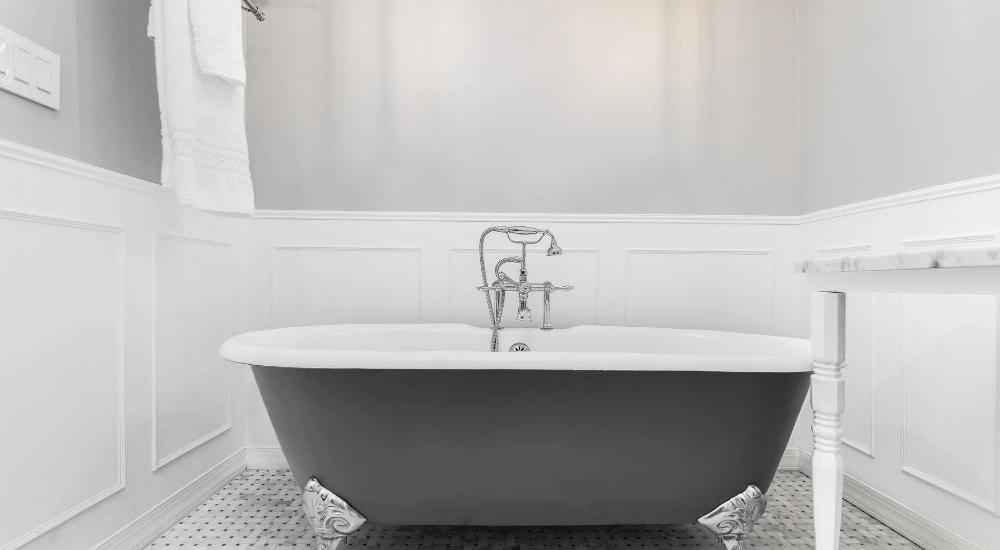
Restroom And Water Closet Renovation Ideas

For the sake of elevation of the restroom or water closet, using timber to create a board and batten wall is great.

4. Dining Room Design Inspirations

Dining Room Design Inspirations

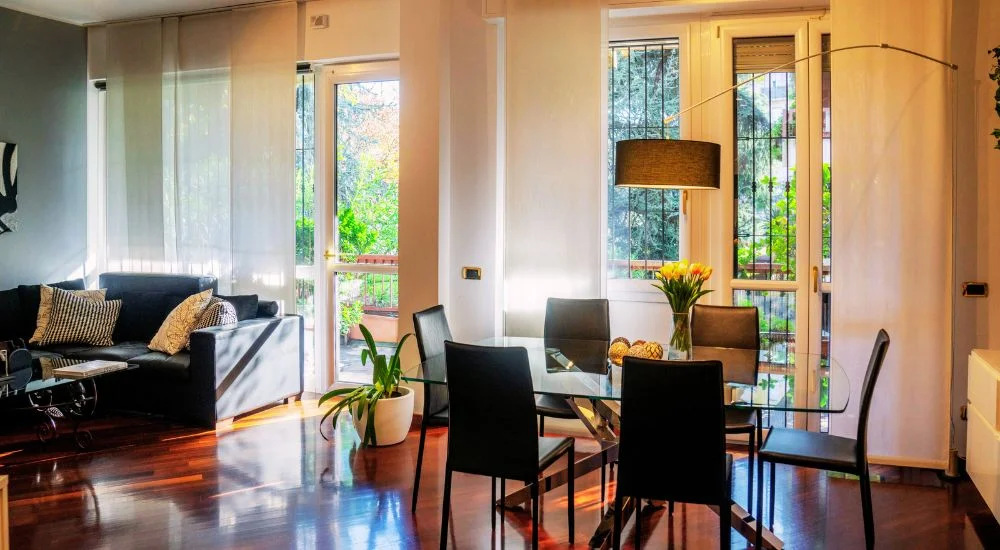
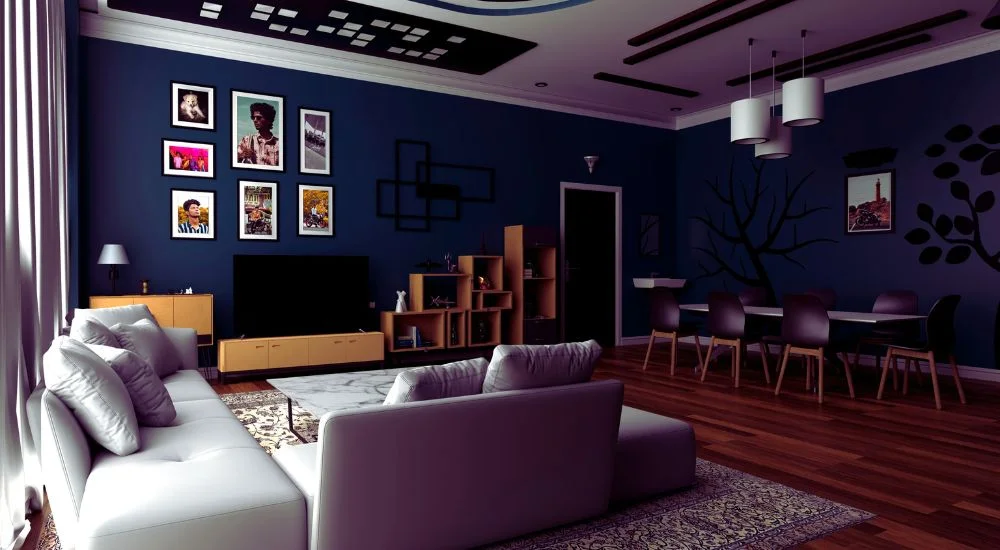
To enhance the dining room, using timber panels is a good choice. Darker tones or rich colors on the walls can bring depth and warmth to the space, similar to how deeper shades, like forest or mossy greens in bedroom spaces, can make a room feel grounded and intimate.

Bonus Tip: You can also get many Board and batten hallway ideas Moreover, you can also renovate your hallways by the use of wood panels and strips to make them aesthetic. Just ensure that you keep walls clean, as it can be tough for buddy people to keep sweeping walls every other day.

5. Entryway Wall ideas

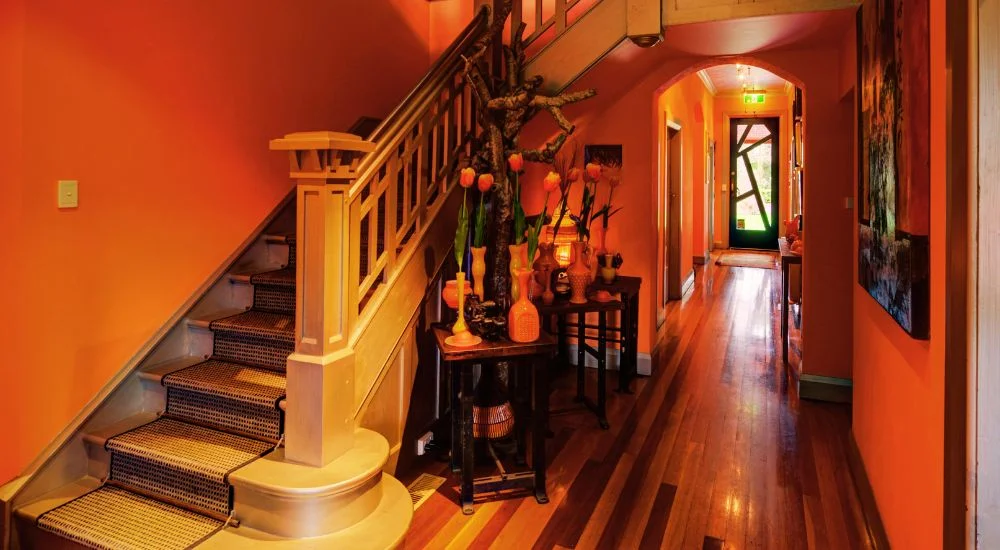
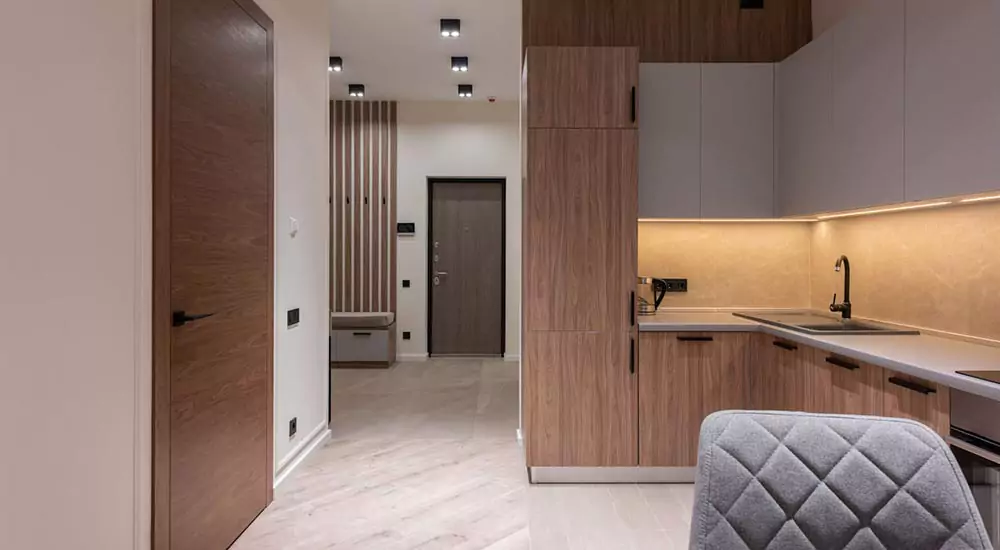
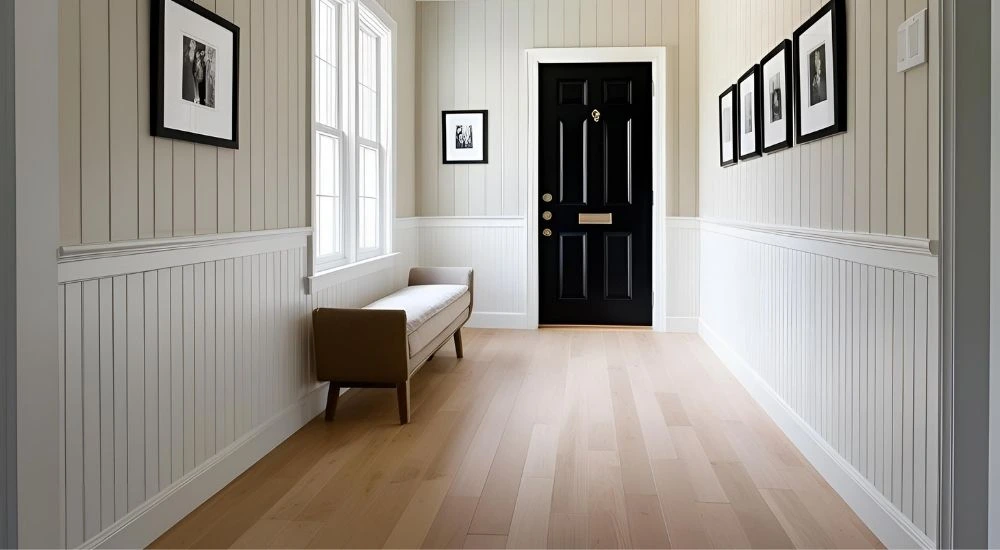
A board and batten installation instantly elevates a foyer, providing the structural interest and “architectural soul” often missing in modern builds. For a sophisticated first impression, try a floor-to-ceiling grid to add height, or opt for a classic three-quarter height topped with a functional picture ledge. Integrating small entryway organization ideas into your woodwork ensures the space remains as practical as it is beautiful. To complete the transformation, choose the perfect white paint to make the shadows and clean lines of the molding truly pop against your decor.

Wainscoting Vs Board and Batten Walls

FeatureWainscotingBoard and Batten
Primary StyleElegant, formal, and traditional.Rustic, farmhouse, or modern-industrial.
ConstructionTraditionally uses raised or recessed panels with decorative molding.Vertical “battens” (strips) placed over wider boards or flat drywall.
Typical HeightOften covers the lower 1/3 of the wall (approx. 32-36 inches).Flexible; ranges from chair-rail height to floor-to-ceiling.
MaterialOften high-grade wood, MDF, or PVC for bathroom moisture.Usually simple wood planks or MDF strips for a cleaner look.
Visual TextureIntricate, layered, and ornate.Geometric, clean-lined, and architectural.

Wainscoting usually occupies a wall’s lower third while Board and Batten Wall installation depends upon the dimensions of the wall and the spacing of the battens, so there is no such set parameter.

Tools and Equipment

Following are the tools that are employed for the wall decor with wood strips:

  • Level
  • Gap Filler
  • Brad Nails (30-40 mm)
  • Nail Gun
  • Angled Brush
  • Miter Saw
  • Tape Measure
  • Caulk
  • Construction Adhesive
  • Stud

Measurement Of Wall: Reckoning The Spaces Between Battens

You can estimate the spaces between the board and battens by this formula:

Width of the wall – (Width of individual panel X Total number of vertical panels) ÷ Number of wall spaces between vertical panels

For instance, pieces of wood were 15 in number and 5.4cm wide: Now, 15 X 5.4 = 81

Then, Subtracting it from the total width of the wall: 430-81 = 349

Now, Divide 349 by total spaces: 349 ÷ 14= 24.9 approximately equals to 25 cm .

So, I will create a space of 25 cm between all of the 15 wood panels.

How To Install Board and Batten Walls

There are two methods to make Boards and Batten Accent Wall:

  • Building From Scratch (Employment of Raw/Unprepared Wood)
  • Using Primed Wood

Step by step process

Following are the steps of its installation:

  • In the selection of plywood, go for oak, maple, cedar and pine. The most commonly used is pin
  • You will have to clean the wall and sand it, which is supposed to be renovated first. Use a coat of primer.
  • Take measurements of the wall, determine the spacing, mark the position of the timber, and then use construction adhesive to adhere the timber to the wall.
  • Use studs and nail the battens into the studs for a secure fit. Use a level and miter saw to make the battens equal in size to each other.
  • Bonus Tip: I prefer buying primed pines as it saves time, though it is quite expensive as compared to the other one. Always try to buy the pine that is most straight.
  • Using a brad nailer can significantly speed up the installation process, providing a clean finish without the need for excessive sanding.
  • Bonus Tip: Make sure to do caulking by applying the caulk!
  • In addition to this, consider painting the battens before installation to achieve a professional look with minimal mess.
  • You can opt for paint or stain of your own choice. For best aftermaths, apply two coats of dyes
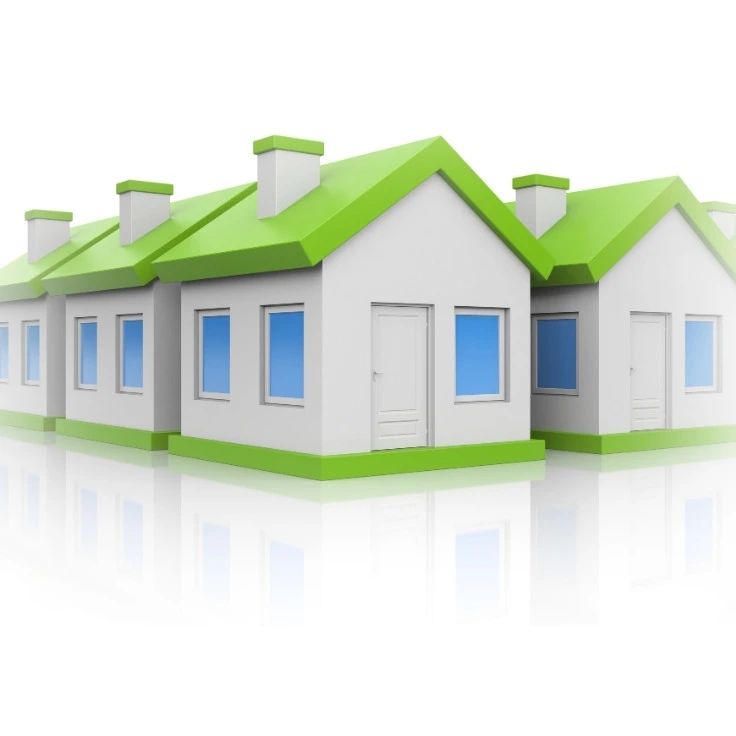
Do you dream of creating your own little home from the bottom up, but can’t match the outrageous costs on the present market? Certainly, constructing a small house is not an overnight job; the process may even transform pure enthusiasm and passion into aggravation and psychological weariness. But this is your domain, a free space for organizing and bringing into reality a fantastical universe. Dissecting real 2026 numbers, this article provides a clear, practical roadmap by helping one to budget, assess possibilities, and avoid excess spending.

Average house building expenses in 2026

Average house building expenses

Excluding land, construction costs in the United States in 2026 vary from $138,937 to $531,294, with a national average of roughly $323K. Your final cost is much determined by whether you build in a cheaper rural area or a rich coastal city center. Materials saw a 4.2% rise in 2025 as tariffs strained them. Then there are hidden costs, which include surveys and landscaping, that can result in 10-25% more costs being realized.

Cost Depends on the Types of Small Houses

House TypesAcres / SizeEstimated Cost
Traditional Small House800–1,500 sq ft$150,000 – $450,000+
Tiny HouseUnder 400 sq ft$30,000 – $100,000
ADU200–1,000+ sq ft$40,000 – $300,000+

Traditional Small House

Traditional Small House

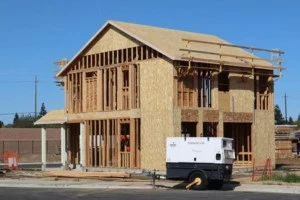
Often measuring 800-1,500 sq ft, these houses employ conventional structural framing, masonry, and brickwork to surpass the typical 2,200 sq ft residences. Following building code rules and zoning rules, they provide defined room layouts. Offering classic comforts on a smaller land area, this size suits a simple lifestyle.

Tiny House

Tiny House

Just under 400 square feet, tiny houses are even smaller than the conventional modest home. These homes are usually prefab or come with wheels and an engine, which, by the way, reduces foundation and excavation costs. Though inexperienced structural framing poses significant safety hazards, this might be a more affordable choice because DIY components and small nooks for utility lower costs here.

ADU

Ranging 200-1K+ sq ft, Accessory Dwelling Units (ADU) can be disconnected as a garage conversion. Although they are founded on already existing land, therefore avoiding separate property acquisition, they nevertheless need permits, service mains, and adherence to local building permits and inspections.

Factors Affecting the COst of Building Small Homes

Pre-Construction Planning

Pre-Construction Planning

This phase entails costs of an estimated 5-10% of your budget, with material take-off and plot size planning.

  • Architectural Design & Engineering Fees: An architect can cost up to 8-15% ($30k – 60k), which covers blueprints, 3D models, and MEP plans.
  • Permits & Inspection Expenses: You have to factor in around $1K$3K for local permissions as well as inspection fees for fire safety, egress, ventilation, and zoning compliance before starting construction.

Land & Site Development

Though the price of a small home might range widely depending on where it is, typically it runs from $2K to more than $150K per acre.

Costs for Property Acquisition: Average price for a 0.25-acre plot is $100K-300K if you are not constructing an ADU. If personal savings come up short, funding usually entails building loans.

Site Preparation & Clearing: Encompasses geotechnical analysis, excavation, drainage layout, and site survey. Depending on soil and terrain, prices run $2.3K to $12K.

Structural Foundation & Reinforcement

Depending on your foundation type, whether a slab, crawl area, or basement, the present basis expenses run roughly $21K+. Reinforced concrete, footing design, vapor barrier, waterproofing, and compacted sub-grade all fall within this particular phase of construction.

Framing

Including materials and labor, framing can range in cost from $11 to $30 per square foot. This covers load-bearing components making up the superstructure as well as structural framing, roof trusses, and lintels. The material also affects the cost significantly; wood framing is less costly, but steel is frequently necessary for hurricane regions, so choose judiciously.

Exterior Enclosure

Exterior Enclosure

The expenses for a small home vary on the extent of insulation, materials, and whether the project is a pre-fabricated kit or an own structure. Usually, for a 200 sq ft room, prices can vary from $2K for a simple screen enclosure up to financial crisis $80K for top-end, four-season glass sunrooms.

Read More: Board and Batten Half Wall Ideas

Mechanical System Setup

  • Plumbing Rough-in & Fixtures: Covers plumbing, taps, sanitary appliances, and drainage runs roughly $4 to $12 per square foot in a little new construction house.
  • Panels & Electrical Wiring: Electrical panels and wiring cost from $3,000 to $8,000. For a full rewiring or a whole new installation in a small home, it could cost even more.
  • HVAC Configuration: With the ductwork and insulation to keep a good thermal envelope with appropriate R-value and U-value, the price to install a new HVAC system is expected to range from $2.5 to more than $10K. Costs change greatly depending on the kind of interior build-out.

Interior Build-Out

  • Wall Constructions: Steps exist here. For the thermal envelope, insulation costs $1 to $3 per square foot; drywall costs $1.50 to $3.50. Wall plastering, putty, primer, and finally painting of your choice, maybe even a grayscale minimalistic aesthetic. This all would cost about $13,000 in all.
  • Floor Installation: Installing floor slabs, screed, and tiles costs $4$25 per square foot, averaging $13K+ depending on the materials.
  • Building Kitchens: The most crucial area to build, and probably the most costly as well. Sitting at $25K$70K to build with kitchen cabinets and countertops; additional if you wish an island.
  • Bathroom Vanity: Each bathroom will cost for sanitation fixtures, taps, and mirrors at about $800-$5K.

Buying Home Vs Building Home

Buying Home Vs Building Home

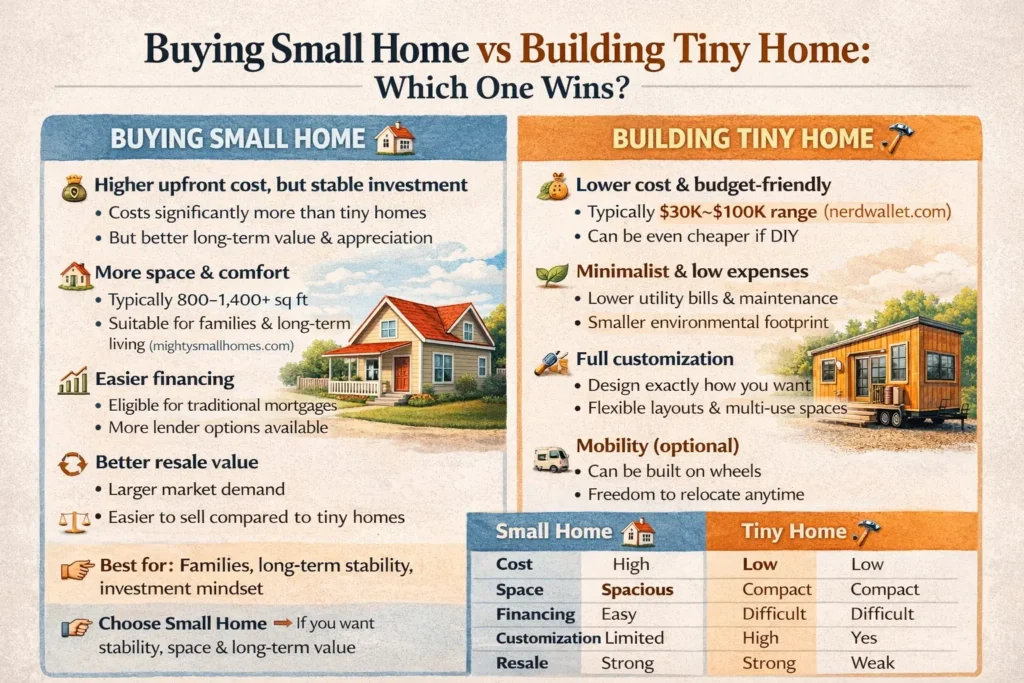
Building a little house sometimes is less sensible than just purchasing one that already exists. Once land, delays, and inflation are considered, structuring a small house or even a large house sometimes costs more than the $398K median price of current residences. Buying offers simultaneous consistent expenses and faster occupancy.

Fixed-rate mortgages guarantee payments; construction projects are vulnerable to delays and inflation. Furthermore, you have to budget for ongoing expenses, including property insurance, taxes, and frequent deep cleaning, to lengthen the life cycle expense of the home.

With a purchased home, you may swiftly change rooms. For instance, developing a comfortable living room with a little side office. You could even transform your little home into a fantasy-inspired area with reading nooks throughout for tea. It entirely sidesteps the headache of ground-up construction.

Conclusion

Achieving a favorable result depends much on carefully designing the construction of a tiny home. From the substructure on through all finish stages of your new house, this planning starts. You have complete creative control over the construction of your little house, yet you must weigh the high cost of supplies against the simplicity of buying a fresh home.

All work and no play make Jack a dull boy. Just like that, all light hues and no dark touch can make your interiors boring sometimes. What about playing a bit with colours? Dark trims light walls trend is a signature move to uplift the ambience without losing the classiness of light shades.

As a fan of light shades, I can understand that painting your trims with dark colours can feel daunting. But, believe me, you are just one step away from revamping your interior, i.e, choosing the right colour combination. Let’s dive into colour and space details to style your interior in the best way possible.

Why should you try a dark trim-light walls combo?

Dark trims add drama and depth, while white walls are subtle and classy. Together, these two seamlessly blend elegance and sophistication.

Defines the space: Dark trims outline your space just like a frame outlines a painting.

Highlights cool details: As an interior designer, I want to make the most of every inch, and dark trims fulfil the purpose very easily. They just draw your eyes towards specific details, the tall ceilings, doors, windows, and furniture.

Make a statement: It is an inexpensive yet clever trick to enhance focal points in the room.

How to pick the right shades for a dark trim and light walls interior?

I remember how I leaned over the colour wheel, testing a hundred combinations during the whole painting process. Colour choices can make or break the look very easily. So, note these key takeaways;

  • Make sure that the trim colour complements the wall and ceiling paint. And not only colors, you must balance the undertone as well. If you are going for cool-toned light wall paint, warm dark trim is the right idea and vice versa.
  • Here, illumination of the room also plays a key role. North-facing rooms have colder light, so balancing the look with warmer shades is a great idea. East-oriented rooms work well with cool tones owing to strong morning light.

Pro Tip: Pick up a set of small tester colors and test them in natural and artificial light.

What spaces go best with dark trims?

It is also important to consider where you are following the trend of dark trim interior. For airy and spacious rooms, painting trim darker than the walls is an excellent choice. However, you need to be a little careful with small and occupied rooms. The following are places where dark trims can do wonders;

Bold entrance says warm welcome

Bold entrance says warm welcome

Imagine painting your entryway subtle grey paired with a matte black trim and door moulding with a yellow headlight illuminating the contrast. The welcoming feel it holds is impeccable. Don’t forget to pair your door hardware with light walls, dark trim and door contrast to add extra depth.

Modern bedrooms | Make a difference

Modern bedrooms | Make a difference

In modern bedrooms, people often focus on incorporating expensive accents and furniture to elevate the luxury. What about styling bedroom walls with a basic colour palette? White walls with color trim never disappoint.

Here are some vibrant color ideas you might need;

1. Crisp white rooms with black trim

Crisp white rooms with black trim

Whatever the modern aesthetics offer, the fan following of white walls, black trim interiors is consistent. For spacious rooms, black baseboards and window trims perfectly outline the space.

Best for:

  • Spacious rooms
  • Modern aesthetics
  • Clean-lined architecture

Tip: Use a soft black or charcoal instead of pure jet black in smaller rooms.

2. Beige walls and olive green trim

Beige walls and olive green trim

If you want a vibrant, airy and classy look, no other contrast can compete with this one.

Works beautifully in:

  • Bedrooms
  • Living rooms
  • Nature-inspired interiors

3. Navy blue trim, white walls

Navy blue trim white walls

The trend of blue shades in bedrooms is growing, and I just love the way this color combination seamlessly builds an intimate and elegant atmosphere.

Ideal for:

Make darker trims work for smaller rooms

Make darker trims work for smaller rooms

One query my clients mention very frequently is: dark trims won’t work well with small rooms. Here are some techniques besides basic dark baseboards, light walls thing to make dark trim interior perfectly work in smaller rooms;

  • Uplift your space by painting the ceiling trim darker. This creates a visual illusion of taller ceilings.
  • Create focal points by moulding artwork with dark trim.

To preserve the ambience of small rooms, board and batten half walls and mid-wall trim ideas work great by avoiding furniture scratches.

Colour combinations:

While painting small rooms, balancing the look is important. I prefer going tonal with small spaces because a bold contrast can overwhelm the space. Paint the trim two shades darker than the walls and ceiling.

Aiming for a calm and cozy vibe? Try ash grey walls with dark grey trims or creamy white walls with beige trims. Wanna go eclectic? Light blue with turquoise looks amazing.

Add character to living rooms

Add character to living rooms

Living rooms demand a stylish, moody yet comfy atmosphere. Darker trims paired with bright walls is a smart idea to achieve that balance. You can consider shades like creamy white with dark chocolate brown or light grey with charcoal.

Living rooms look incomplete without wood accents. Modern white walls and wood trim interiors work best for these places. Board and batten wall ideas are also a great choice to upgrade the charm.

Maintenance tips

Dark trims with bright walls are just love. But at times, you may get irritated by the prominent dust marks and popping fingerprints. Don’t worry, the added ambience is worthy of this little care.

  • Add a semi-gloss finish to trims for less wear and tear and easy cleaning.
  • Regularly wipe the dust and stains with a damp cloth.
  • For stubborn stains, you can get special cleaners from the market.
  • If all your cleanliness efforts are fruitless, it’s time to pick up the paintbrush.

Conclusion:

Dark trims are a budget-friendly move to uplift style nowadays. The way this combination carries depth and calmness is smart. If you are thinking about a dark trim light walls combo, don’t hesitate. Just a bit mind-boggling with the colour wheel, and here you go.

Also Check: How to Clean Textured Walls.

Half-wood paneling makeover ideas are coming back, and I’ve never been this excited about a trend. Finally, the world is moving away from the old, simple white walls and interested in adding more warmth and character to their spaces.

The wall panels market is already witnessing a surge and is anticipated to reach 23.7 billion dollars by 2032. So, it is the best time to renovate your home with trendy wood panel makeover ideas.

The golden benefit of these walls is that you can disguise the uneven walls of your home and increase its value. This was why I was compelled to transform my home with wood panels this year.

Here are some ideas for you as well.

10 Brilliant Half-Wood Paneling Makeover Ideas for Every Room

These ideas will give your room a new vibe with an aesthetic touch. Get ready to make your space look like those pretty TikTok home-transformation reels.

1. Board and Batten Half Wood Paneling

Board and Batten Half Wood Paneling
Best for: Entryways, hallways, and living rooms

Board and batten wall designs look sophisticated and stylish. The vertical lines draw the eye upward, making ceilings appear taller.

Here are some tips to make them more unique:

  • Use dark shades like matte black or navy for a dramatic vibe.
  • Cluster battens in artistic groupings instead of uniform spacing.
  • Install LED strip lights along the horizontal rail.

So, whenever you are short on living room wood paneling makeover ideas, you can use this stylish option to remodel your walls.

2. Two-Tone Effect

Half Wood Paneling Two Toned Makeover Ideas
Best for: Dining rooms and bedrooms

Two-tone effects in half-wood paneling look modern and add character and dimension to the room. So, it is best for teen’s bedroom designs or creating a sleek monochromatic bedroom design.

Darker tones on the lower half “ground” the space, while lighter upper tones make walls feel taller and rooms more open.

3. Play with Geometric Designs

Half Wood Paneling Makeover Geometric Designs Ideas
Best for: Modern living rooms and offices

Geometric designs on your bedroom office’s walls make the space look lively and interesting. The most popular ones are:

  • Hexagon honeycomb paneling
  • Diagonal grid battens
  • 3D geometric molding
  • Asymmetrical pattern mix
  • Herringbone paneling

4. Use Weathered Wood for a Rustic Touch

Half Wood Paneling Makeover with Rustic Touch
Best for: Farmhouse-style kitchens and mudrooms

Wood walls have been scientifically proven to lower blood pressure and make you feel relaxed.

If you love minimalistic design, you will love this wood paneling makeover idea for your kitchen and bedrooms. It has a refreshing, aesthetic, and raw feel.

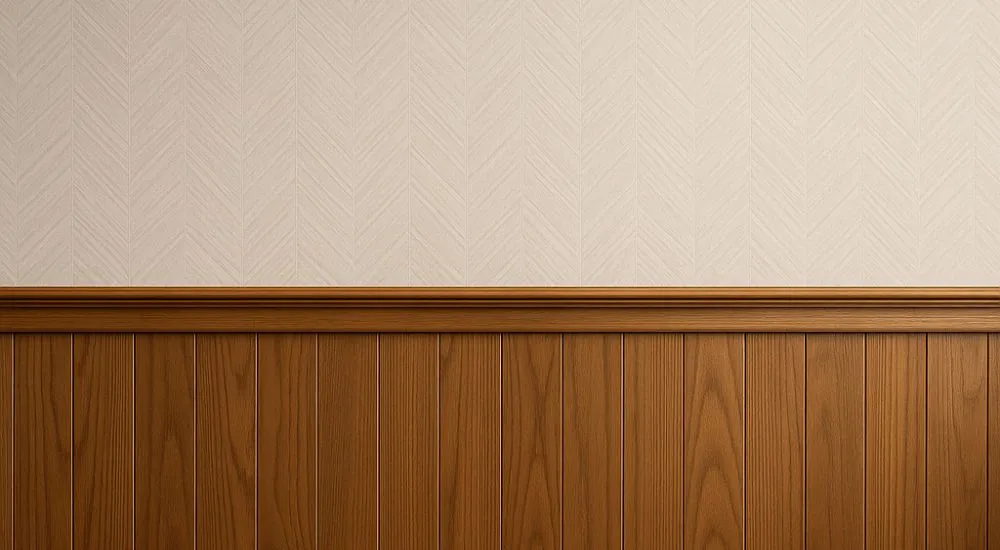
5. Wallpaper Above the Panels

Half Wood Paneling Makeover Ideas
Best for: Powder rooms and bedrooms

Decorative wallpapers are the evergreen wall decor option. You can combine a minimalistic wood paneling design with a busy or crowded wallpaper to make it a focal point. Many people use it in hallways as well.

6. Vertical or Horizontal Wood Slats

Half Horizontal Wooden Slats
Best for: Accent walls in living spaces and bedrooms

Be creative when you install wood panels. Make unique patterns with vertical and horizontal wood slats to enhance your bedroom wall design.

Take inspiration from these designs:

  • Narrow, evenly spaced vertical wood paneling sheets with crisp white upper walls.
  • Color both portions the same color but use different sheens.
  • Whitewashed or driftwood-gray slats with shiplap upper walls.

Just a quick word of caution here: You have to clean the wood walls frequently to keep them looking fresh all the time.

7. Weathered Grey Cladding For Outdoor Wood Paneling

Outdoor Wood Paneling
Best for: Exterior walls, patios, garden fences, and outdoor seating areas.

If you want to bring a countryside vibe to your home, grey cladding is a great choice. You can use it as exterior wood paneling or add it to your patio’s design for a rustic touch.

8. Tongue and Groove Paneling

Tongue and Groove Paneling
Best for: Hallways, entryways, utility rooms, and mudrooms

Tongue and groove paneling works on the interlocking technique. The wooden boards (a “tongue” on one edge fits into a “groove” on the next) for a seamless, smooth finish. It closes any possible gaps between the panels.

Charlotte Holman, a passionate home DIYer, has demonstrated how you can install them on your own. She fixed wood wall panels into each other, primed and painted the wood, and added a custom shelf, hooks, baskets, and plants for decor.

9. Classic White Half-Wood Paneling

Classic White Half-Wood Paneling

Your interior wood paneling DIY project can’t be complete without this one. While white paneling may appear to be a standard idea, you can spice it up with your design twists. For instance,

  • Paint the paneling’s top rail or baseboards in a bold hue.
  • Hang oversized art and install floating shelves or round mirrors above the paneling.
  • Add minimalist brass hooks or leather straps (when installing them for entryways).

It is also a great way to match the theme of your white living room while giving it a new touch.

10. Tile and Panel Combo

Tile and Panel Combo
Best for: Bathrooms and powder rooms

Install wood paneling on the lower half and top it with a narrow shelf ledge. Above it, use peel-and-stick tiles, herringbone wallpaper, or waterproof paint for a luxe look.

How to Make Half Wood Paneling Makeover Ideas Look Nice?

If you are installing the wood paneling on your own, here are some finalizing tips to make it look even nicer;

  • Use a level on every batten or panel to avoid any crooked lines.
  • Seal wood with a moisture-resistant primer/paint if you are installing them in the kitchen or bathroom.
  • You can also use furniture polishes to maintain the shiny gloss of panels.
  • Apply dark colors if you want to give an old wood panel a makeover.

If you ask me what is board and batten half wall is, I’d say these are the cool cousin of generic white washed (a.k.a boring) walls that went abroad for studies. Jokes apart, the board and batten walls have vertical wood boards with skinny strips (battens) layered on top, all capped at mid-height. They might look a bit extra, but trust me, if you’re hunting for the perfect bedroom wall design, half wall board and batten is a winner.

Modern Board and Batten Half Wall Ideas For Different Rooms

From the living room to the bathroom and even the entryway, this timeless design works well in every space.

The following are some variations that I personally love:

  • Bedroom: Neutral tones, slim battens, integrated ledge for decor/lighting.
  • Dining Area: Contrasting upper/lower paint, horizontal battens, open shelving for dishes.
  • Living Room: Two-tone walls (dark lower, light upper), chunky battens, built-in bench seating.
  • Bathroom: Waterproof PVC battens, monochromatic scheme, floating shelves for towels.
  • Entryway: Geometric batten patterns, deep baseboard, hooks/baskets for organization.

Board and Batten Walls Design Variations

Board and batten style paneling is versatile. You can customize it as per your preference.

Here are some design inspo:

1. The Classic Farmhouse Style

The Classic Farmhouse Style | Board and Batten Half Wall Ideas

Get vertical 1×3 or 1×4 battens with wide spacing and paint them in neutral shades. Pair it up with reclaimed wood or wrought-iron accents for a fresh vibe.

2. Slim Batten for a Modern Edge

Slim Batten for a Modern Edge | Board and batten wall

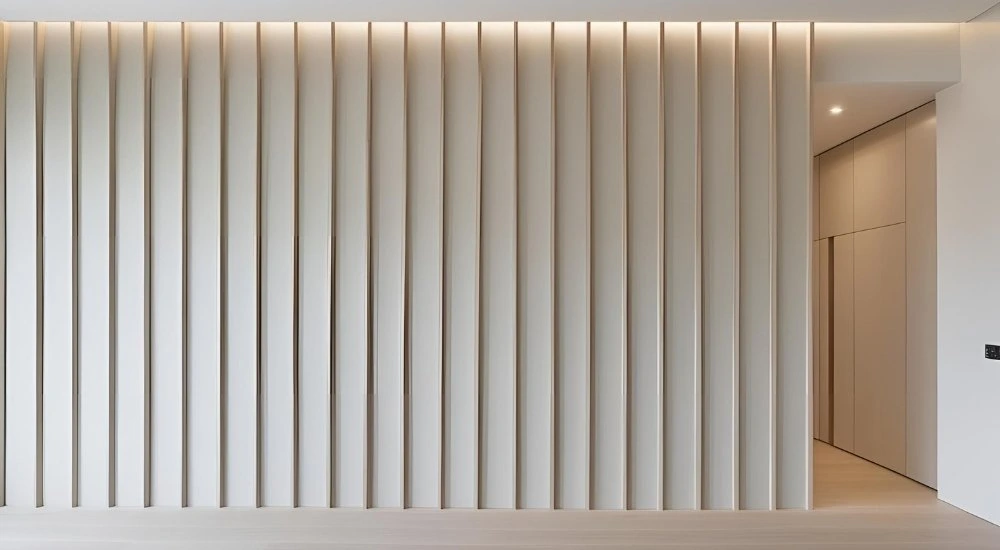
Instead of solid half-wood panels, you’re using slender vertical (or sometimes horizontal) pieces to create a visually interesting and often airy division in this one.

3. Traditional Style Battens

Traditional Style Battens

The traditional and simple half-wall batten design is timeless. You can make it a little different by:

  • Using a combination of wide and narrow battens for a more dynamic and contemporary look.
  • Painting unexpected colors for the battens or the wall sections in between.
  • Explore matte, semi-gloss, or even textured walls for a different tactile experience.
  • Conceal LED strip lighting behind or within the battens to create ambient or accent lighting

4. Clean, Minimalistic Look

Clean, Minimalistic Look

If you want to change the look of your room as per trend, keeping the battens simple and clean is the best option.

For example, if your white living room has half-wall panels, you can add furniture or artwork without taking away from the look of the battens.

Stefani Terry, a home and garden decor influencer, gave her guest bedroom a budget-friendly glow-up with grey half-wall panels. Then she hanged just 2 adorable frames. That’s a great way to keep things minimalistic.

5. Breezy, Coastal Vibe

Breezy, Coastal Vibe

It makes you feel like you are literally standing on a beach. The cute whites, creams, soft blues, and sandy beiges wall colors are perfect for modern bedrooms, entryways or living rooms.

You can integrate natural materials like jute, linen, and weathered wood to give it an authentic coastal vibe.

Best Color and Finish for Board and Batten Wall Panels

The most common choice for board and batten half walls is pure white. However, you can choose any color combo you want to make your space look stylish.

Best Color Options for Board and Batten Wall Designs

HuesVibeBest For
Whites (Pure White, Chantilly Lace, Off-White, Creamy White)Bright, clean, and airy feelFarmhouse, coastal, or minimalist styles
Grays (Light Gray, Charcoal Gray)Warm and versatileSmall rooms
Dark and Moody (Navy, Charcoal, Forest Green)Dramatic and sophisticationLarge, well-lit rooms or as accent walls
Soft Pastels (Blush)Subtle and calmingCouple’s bedrooms
Soft Greens (Sage, Olive, Willow)calming and organic feelBedrooms or nurseries
Rich Jewel Tones (Emerald Green, Deep Teal, Burgundy)Luxe and grandeur lookLibrary or home office

Top Finishes Options for Batten Half-Wall Paneling


Finishes are the final touch that makes the half wall batten panels lively.

Finish OptionsBest For
Same color for the wall and panels, but different sheenLounges and open areas
Semi glossBathrooms or other high-traffic areas
Satin or eggshell finishBedrooms, living rooms, and offices
Wood stainsFarmhouse-style rooms
Limewash or distressed finishCottage-style rooms
High glossEntryways, modern dining rooms

Tools and Materials You Need for Board and Batten Half-Walls DIY


If you want to keep things your way (let’s say decorating your teen’s bedroom), you can DIY board and batten walls.


Materials You Must Have:

  • Structural lumber, if you are building it from scratch
  • Paneling plywood or MDF sheets (for backing or vertical boards)
  • Battens and trim
  • Construction adhesive, nails, and screws
  • Finishing supplies like wood fillers, sandpaper, primer oil, and paint


Tools Needed:

  • Tape measure, level, and stud finder
  • Miter saw, circular saw, or handsaw
  • Nail gun (pneumatic or electric) or hammer
  • Paintbrushes/rollers or Caulk gun


Height Recommendations for Board and Batten Wall Ideas


While installing the battens, you must take care of the height of the panels. A general rule is to stop the paneling at about half the wall height (e.g., ~48″ on an 8-foot wall). However, you can make them longer if you like.

Real-life example to get inspiration from:


Kayla Cummings, a DIY expert, installed long panels in her entryway. The battens are 2.5” pre-primed MDF, and the spacing between them is 11.75”. It is a cool way to give a twist to traditional board and battens style walls.


People Also Ask About Board and Batten Half Wall Bedroom Ideas

How Do You Divide a Board and Batten Wall?

Firstly, measure your wall and mark equal vertical sections (usually 12-24 inches apart), then attach boards and cover seams with battens. Adjust spacing based on your wall size and style preference!

Are Board and Batten Walls in Style?

Yes! They’re timeless and popular in farmhouse, modern, and rustic designs for adding texture and charm.

What Is a Split Batten?

A split batten is two narrower battens placed side-by-side to cover wider gaps or joints. It adds subtle detail while keeping the classic look

How Far Apart Should Board and Batten Walls Be?

Spacing between board and batten wall panels typically ranges 12-24 inches, closer for a traditional vibe, wider for modern flair.

What Is the Best Material for Board and Batten?

MDF or pine are top choices for indoor walls (they are easy to paint!), while PVC or cedar work outdoors for durability against moisture