
Category

Outdoor Trends

Category

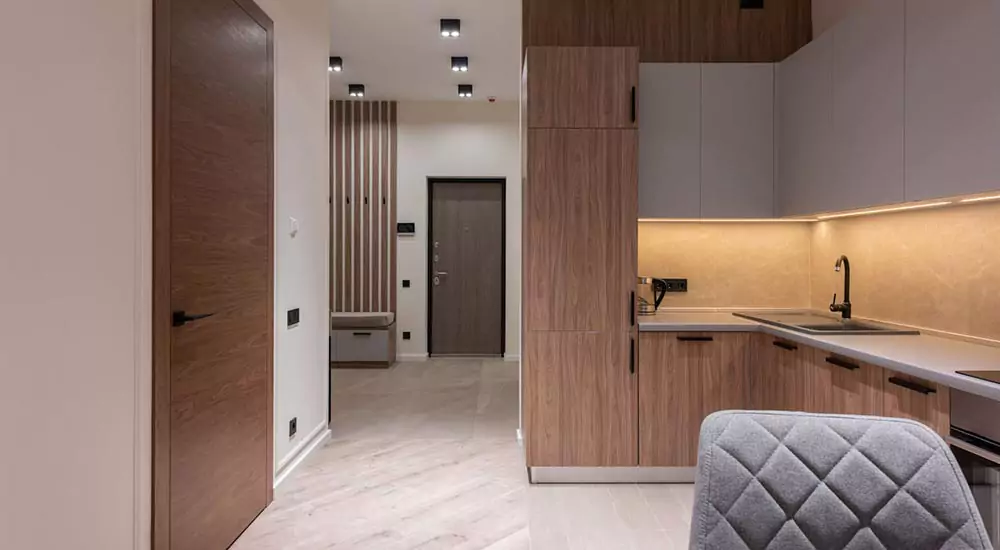
Do you dream of creating your own little home from the bottom up, but can’t match the outrageous costs on the present market? Certainly, constructing a small house is not an overnight job; the process may even transform pure enthusiasm and passion into aggravation and psychological weariness. But this is your domain, a free space for organizing and bringing into reality a fantastical universe. Dissecting real 2026 numbers, this article provides a clear, practical roadmap by helping one to budget, assess possibilities, and avoid excess spending.

Average house building expenses in 2026

Average house building expenses

Excluding land, construction costs in the United States in 2026 vary from $138,937 to $531,294, with a national average of roughly $323K. Your final cost is much determined by whether you build in a cheaper rural area or a rich coastal city center. Materials saw a 4.2% rise in 2025 as tariffs strained them. Then there are hidden costs, which include surveys and landscaping, that can result in 10-25% more costs being realized.

Cost Depends on the Types of Small Houses

House TypesAcres / SizeEstimated Cost
Traditional Small House800–1,500 sq ft$150,000 – $450,000+
Tiny HouseUnder 400 sq ft$30,000 – $100,000
ADU200–1,000+ sq ft$40,000 – $300,000+

Traditional Small House

Traditional Small House

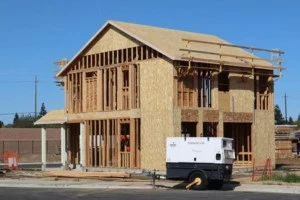
Often measuring 800-1,500 sq ft, these houses employ conventional structural framing, masonry, and brickwork to surpass the typical 2,200 sq ft residences. Following building code rules and zoning rules, they provide defined room layouts. Offering classic comforts on a smaller land area, this size suits a simple lifestyle.

Tiny House

Tiny House

Just under 400 square feet, tiny houses are even smaller than the conventional modest home. These homes are usually prefab or come with wheels and an engine, which, by the way, reduces foundation and excavation costs. Though inexperienced structural framing poses significant safety hazards, this might be a more affordable choice because DIY components and small nooks for utility lower costs here.

ADU

Ranging 200-1K+ sq ft, Accessory Dwelling Units (ADU) can be disconnected as a garage conversion. Although they are founded on already existing land, therefore avoiding separate property acquisition, they nevertheless need permits, service mains, and adherence to local building permits and inspections.

Factors Affecting the COst of Building Small Homes

Pre-Construction Planning

Pre-Construction Planning

This phase entails costs of an estimated 5-10% of your budget, with material take-off and plot size planning.

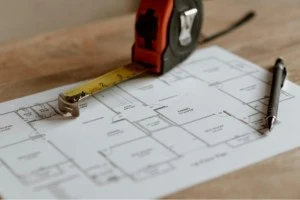
  • Architectural Design & Engineering Fees: An architect can cost up to 8-15% ($30k – 60k), which covers blueprints, 3D models, and MEP plans.
  • Permits & Inspection Expenses: You have to factor in around $1K$3K for local permissions as well as inspection fees for fire safety, egress, ventilation, and zoning compliance before starting construction.

Land & Site Development

Though the price of a small home might range widely depending on where it is, typically it runs from $2K to more than $150K per acre.

Costs for Property Acquisition: Average price for a 0.25-acre plot is $100K-300K if you are not constructing an ADU. If personal savings come up short, funding usually entails building loans.

Site Preparation & Clearing: Encompasses geotechnical analysis, excavation, drainage layout, and site survey. Depending on soil and terrain, prices run $2.3K to $12K.

Structural Foundation & Reinforcement

Depending on your foundation type, whether a slab, crawl area, or basement, the present basis expenses run roughly $21K+. Reinforced concrete, footing design, vapor barrier, waterproofing, and compacted sub-grade all fall within this particular phase of construction.

Framing

Including materials and labor, framing can range in cost from $11 to $30 per square foot. This covers load-bearing components making up the superstructure as well as structural framing, roof trusses, and lintels. The material also affects the cost significantly; wood framing is less costly, but steel is frequently necessary for hurricane regions, so choose judiciously.

Exterior Enclosure

Exterior Enclosure

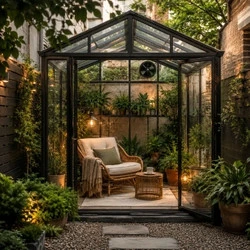
The expenses for a small home vary on the extent of insulation, materials, and whether the project is a pre-fabricated kit or an own structure. Usually, for a 200 sq ft room, prices can vary from $2K for a simple screen enclosure up to financial crisis $80K for top-end, four-season glass sunrooms.

Read More: Board and Batten Half Wall Ideas

Mechanical System Setup

  • Plumbing Rough-in & Fixtures: Covers plumbing, taps, sanitary appliances, and drainage runs roughly $4 to $12 per square foot in a little new construction house.
  • Panels & Electrical Wiring: Electrical panels and wiring cost from $3,000 to $8,000. For a full rewiring or a whole new installation in a small home, it could cost even more.
  • HVAC Configuration: With the ductwork and insulation to keep a good thermal envelope with appropriate R-value and U-value, the price to install a new HVAC system is expected to range from $2.5 to more than $10K. Costs change greatly depending on the kind of interior build-out.

Interior Build-Out

  • Wall Constructions: Steps exist here. For the thermal envelope, insulation costs $1 to $3 per square foot; drywall costs $1.50 to $3.50. Wall plastering, putty, primer, and finally painting of your choice, maybe even a grayscale minimalistic aesthetic. This all would cost about $13,000 in all.
  • Floor Installation: Installing floor slabs, screed, and tiles costs $4$25 per square foot, averaging $13K+ depending on the materials.
  • Building Kitchens: The most crucial area to build, and probably the most costly as well. Sitting at $25K$70K to build with kitchen cabinets and countertops; additional if you wish an island.
  • Bathroom Vanity: Each bathroom will cost for sanitation fixtures, taps, and mirrors at about $800-$5K.

Buying Home Vs Building Home

Buying Home Vs Building Home

Building a little house sometimes is less sensible than just purchasing one that already exists. Once land, delays, and inflation are considered, structuring a small house or even a large house sometimes costs more than the $398K median price of current residences. Buying offers simultaneous consistent expenses and faster occupancy.

Fixed-rate mortgages guarantee payments; construction projects are vulnerable to delays and inflation. Furthermore, you have to budget for ongoing expenses, including property insurance, taxes, and frequent deep cleaning, to lengthen the life cycle expense of the home.

With a purchased home, you may swiftly change rooms. For instance, developing a comfortable living room with a little side office. You could even transform your little home into a fantasy-inspired area with reading nooks throughout for tea. It entirely sidesteps the headache of ground-up construction.

Conclusion

Achieving a favorable result depends much on carefully designing the construction of a tiny home. From the substructure on through all finish stages of your new house, this planning starts. You have complete creative control over the construction of your little house, yet you must weigh the high cost of supplies against the simplicity of buying a fresh home.

Cleaning pavers around the pool is not only about sanitation. More importantly, it’s about the aesthetics and value of your house. A lack of thorough cleaning will result in discoloration, dullness, and cracking on the pavers’ surfaces. This will ruin all your efforts in selecting attractive paver ideas and laying the pavers. Make your pool unappealing and also reduce the market value of your house. Several reports have shown that swimming pools with maintained paver areas increase the price of the house by 15 to 25%. So, if you want to maintain the value and the aesthetics of your home, all you have to do is clean and maintain your paver area.

10 Tips To Clean The Pavers Around Your Pool Properly

Here’s a detailed list of steps that will guide you on the best way to clean pavers around the pool.

1. Get The Required Supplies

Before starting paver cleansing, ensure that you have all the supplies you require during the procedure. This step will allow you to proceed with all the other cleaning steps smoothly, so let’s have a look at all of these required essentials:

  • Detergent
  • Garden hose
  • Bucket
  • Broom
  • Scrub Brush
  • Dry mop
  • Sealant

2. Clear The Area

Remove all the obstacles, including furniture, decor items, and any other thing that can offer hindrance to the cleaning process. The dispersion of the random items around the pool will distract you during the washing of the pavers and drain all of your energy. Therefore, it’s always a good idea to start your cleansing with this preparatory step as it allows you to go smoothly with the next steps.

3. Remove The Dirt and Debris

Get a broom and sweep all the loose dirt and debris off the paver area. Ensure that you have cleared all the debris and dust particles, including leaf residues and used wrappers. This step will also help you prevent the spread of dust and dirt in the washing step. Furthermore, if you find a stain-producing substance present in the area, clean it before you apply water.

4. Prepare The Detergent

Select the detergent that suits perfectly according to the type of paver. You’ll find the different detergents for concrete, brick, and stone pavers. It’ll be the best idea if you choose biodegradable or eco-friendly detergents. If you’re looking to clean pavers naturally, try using vinegar, baking soda, and some of the essential oils. These natural agents can also be used for removing the molds from the pavers. Furthermore, don’t try to use the pool coping cleaner on the paver surfaces. After getting an efficient detergent, dilute it in water. Must keep the manufacturer’s instructions in mind when diluting the detergent.

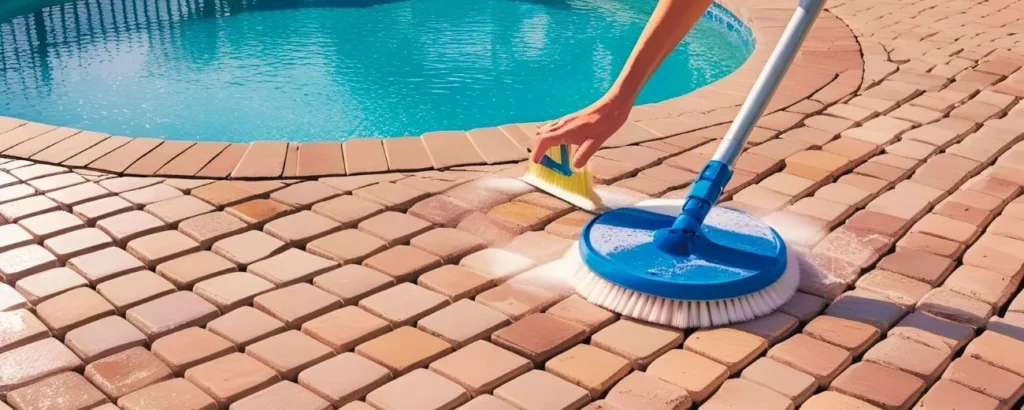
5. Wash and Scrub

Rinse the pavers before applying the detergent. Follow a uniform pattern when you apply the diluted detergent on the paver surface. Then, use a scrub brush to remove the stains and dirt from the area, along with the detergent. If you find some tough stains, prefer using concentrated detergent. Besides, try to scrub the tough stains more forcefully to get a completely cleaned area. Just remember that your efficient cleansing skills in combination with a compatible detergent will give you the satisfying results enough to make your day.

6. Rinse Thoroughly

Once you’re done with the treatment of stains and dirt with detergent solution, wash the area thoroughly with sufficient water. For thorough rinsing, it is always the best option to use a garden hose. Otherwise, you can use a large capacity bucket for washing purposes, but it can prove tiresome for you. Regardless of which option you choose, use enough water to completely remove the detergent and dirt particles.

7. Recheck The Area

Let the pavers dry and recheck the entire area. Find out if there are any dirt or stain remnants. In most cases, oil stains become difficult to remove. They become nearly invisible during washing, but can be clearly identified once the surface becomes dry. So, if you find any kind of spots making your pavers unappealing, apply the detergent again, wait for a few minutes, and wash thoroughly.

8. Apply The Sealant

The next step is to apply the protective sealant. It will prevent the pavers from any more stains and damage. Select the compatible sealant. You can go with the acrylic or epoxy sealants, depending on their protective abilities and resulting appearance. Clean the area thoroughly and then wait for the paver area to dry before applying sealant. Now, apply it by using a brush, roller, or sprayer. Let it dry for a sufficient time, as mentioned by the manufacturers.

9. Maintain The Pavers

After the thorough cleansing, try to maintain the pavers by avoiding tough stains and permanent damage. Keep seasonal cleansing in mind. In addition to this, consider the overall appearance of your yard; knowing how to get a green lawn can significantly enhance the beauty of your clean pavers. Develop the habit of inspecting the damaged area regularly. If you find any deterioration, repair it immediately. Similarly, take immediate steps for cleaning if you accidentally make stains on the pavers. All of these precautions will maintain the paver’s integrity and its attractive appearance.

10. Use a Pressure Washer for Deep Cleaning

For a quicker and more efficient clean, consider using a pressure washer on your pavers. The high-pressure water stream can remove stubborn dirt, mold, algae, and stains that scrubbing might miss. Just make sure to use the correct nozzle and maintain a safe distance to avoid damaging the paver surface. Pressure washing once or twice a year can keep your poolside looking fresh with minimal effort.

Final Thoughts

You need to maintain the attraction and integrity of the pavers around the pool by ensuring their thorough cleansing after a specific period. Prefer using eco-friendly detergents or natural compounds to remove the coagulated dirt and tough stains. Once you’re done with cleansing, apply sealant on the pavers and maintain with care and precautions.

The patio is like a hybrid of home and outdoors. It’s the space where soft pillows and clouds co-exist. However, the most important factor is the design of patios that make or break the game. It costs crazy to renovate the patio, but many people do it cheaply by using 2 options: either they choose cost-effective materials or DIY everything (from cutting the pavers to designing and installing decoratives).

For instance, Angela Rose, a fearless DIYer, revamped the stucco wall of the patio with thin-slat wood panels. She used redwood with a transparent stain to protect it. After testing out some options, she finalized the pattern and installed them horizontally. Then, this half wood paneling was decorated further with planters and pots.

4 Budget-Friendly Patio Paver Ideas to Makeover your OutDoor Space

Want to cut the expense and make your home dreamy like hers? I’ve collected some practical, budget-friendly yet stylish paver design ideas. So, let’s dive in!

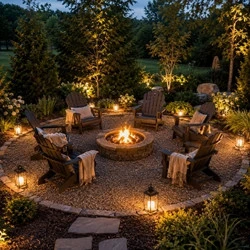
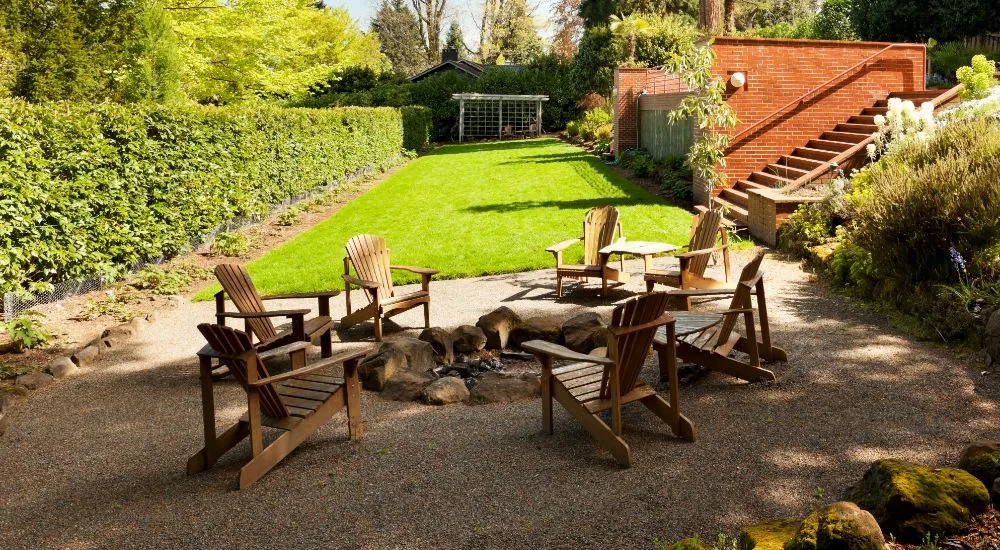
1. Pavers with a Fire Pit, Sofa Chairs, and Some Grass or Gravel Around

Pavers With Grass/Gravel + Fire Pit + Sofa Chairs

It might be one of the most popular backyard cheap patio paver ideas, but I still love it because of how timeless it is. Simple paver design is uplifted when you grow grass in between them or add gravel. If you are interested in keeping it all plain, I’d suggest laying some rug or cover to give it life.

It is an inexpensive option because the materials are readily available, and the design is easy to install. Moreover, it requires less labor to maintain. However, you’d need to lay your pavers correctly to make them last long. For the sofa chairs, you can get sofa chairs via seasonal sales or the clearance section.

Why We Love It:

It’s a kind of cozy spot where you’ll want to sip lemonade and scroll TikTok all day.

Budget Tips to Get This Look:

Use leftover pavers or gravel from previous projects, grow grass from seeds instead of pre-grown sod, use pea gravel, and install bricks or rocks on borders instead of expensive fancy edging.

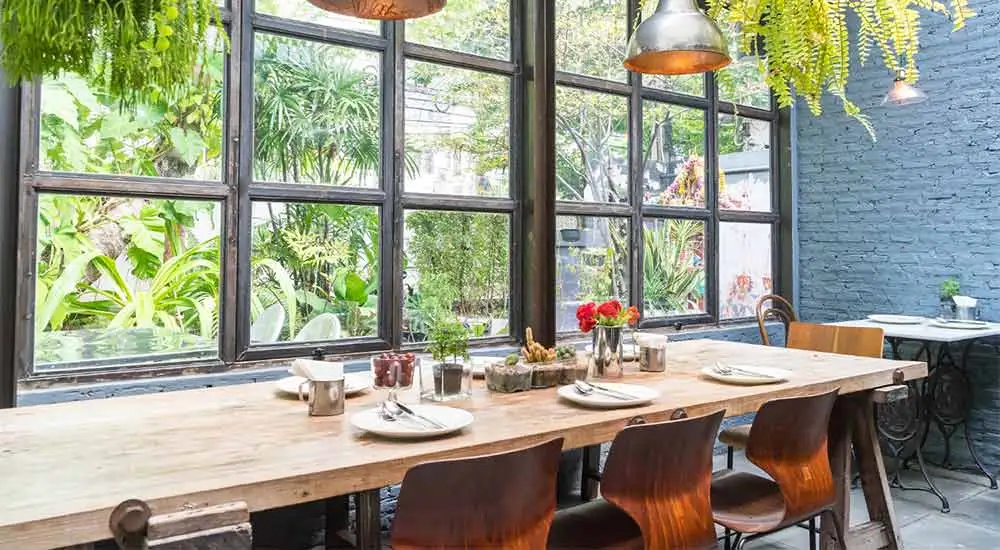
2. Stamped Concrete Pavers with Dining Area and Sunroof

Stamped Concrete + Dining Area + Sunroof

It is the best yet affordable patio paver idea because it can mimic the look of other materials as well. This design is not only modern and aesthetic but also durable, so you won’t need to call for assistance every other month to repair the patio.

Stamped concrete costs $9$13 per square foot. You can customize it and mimic the aesthetic of bricks or stone. Install a sunroof (Poly carbonate panels, retractable awnings, and fabric canopies are cheap options) if you want to make the patio more practical.

Why We Love It:

It’s Perfect for morning coffee, hangouts, and dinners.

Budget Tips to Get This Look:

Stamp concrete yourself; use concrete overlay; use solar-powered lights; install inexpensive wood, bamboo, or pipe for the sunroof structure, and make furniture cushions yourself.

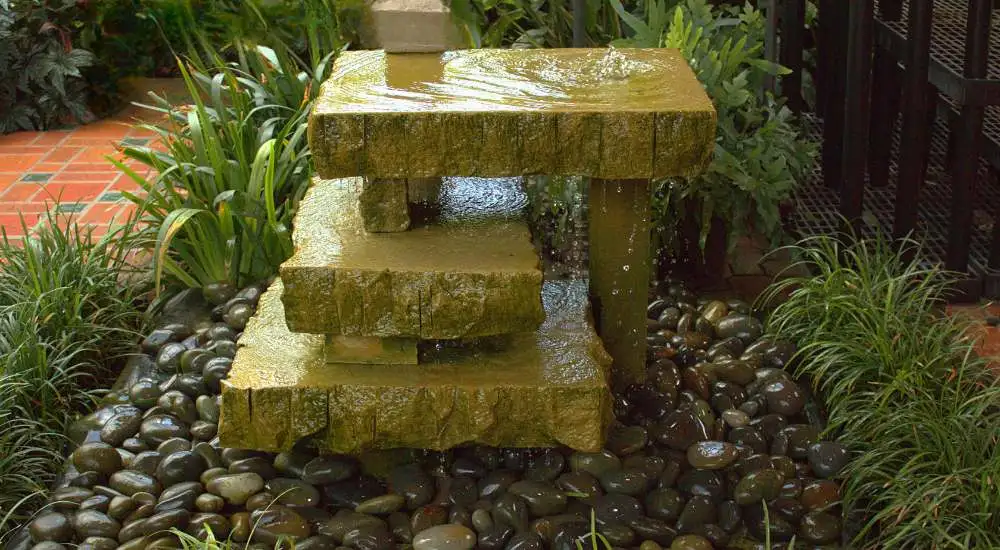
3. Raised Garden Beds with Pebble Mosaic and Water Feature

Pebble Mosaic + Raised Garden Beds + Water Feature

A pebble mosaic patio makeover is easy and inexpensive because you can buy pebbles in bulk or collect them yourself. Plus, it does not require much processing or preparation. The look is sophisticated and stylish for pathways, patio walls, and stepping stones.

My inner artist finds this cheap patio paver idea fascinating because I can make millions of patterns: sunbursts, checkerboards, fish scales, flowers, half moons, rainbows, etc. Just scroll through Pinterest to get more inspiration.

Raised beds and artificial water features are perfect for adding some greenery and nature to your patio and renovating your home completely.

Why We Love It:

These visually interesting designs don’t require more investment for any extra decor. The calming effects of water splashing from fountains make the patio serene.

Budget Tips to Get This Look:

Find good-quality pebbles from nearby hardware stores and use simple concrete adhesive to stick them down—no fancy tools are needed. Create raised beds with wood blocks and bricks lying around in your home instead of buying them pre-built.

  • PS: Pebble mosaic pavers get the most dirt and debris over time, so it’s better to clean the pavers regularly.


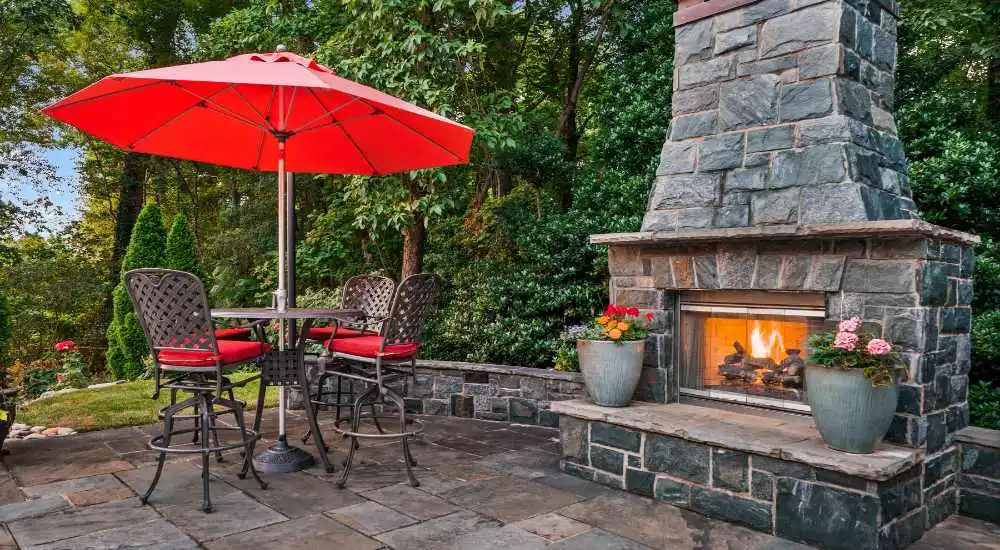
4. Multilevel Flagstone Patio Paver with Some Plant Decor and Outdoor Bar Area

A flagstone patio looks effortlessly grand and luxurious even if you design it in a simpler way. They are larger in size and flat, so you can easily use the space for socializing. People mostly install them in irregular patterns, edging with plants to create a natural lounge-like area. Complementing this with a well-maintained green lawn can truly elevate the outdoor aesthetic.

Since they have some gaps in between, you can incorporate gravel or moss to make it more dynamic. Experts suggest using small-size flagstones for elevated portions of the patio (wall or counters) and larger sizes for open areas (seating).

Over time, natural stone and flagstone patios can develop mold, especially in damp or shady areas. Regular maintenance and mold removal are key to keeping your patio looking fresh. And if your patio or poolside gets slippery or grimy, you can opt for cleaning poolside pavers to refresh the area in no time.

Why We Love It:

I love installing flagstone so that it has one level for seating with small tables and another slightly elevated level with a bar or coffee station.

Budget Tips:

If you are DIYing it, you can get the tools on rent, buy flagstones in bulk, keep the number of levels small and manageable, and keep the design simple.

Half-wood paneling makeover ideas are coming back, and I’ve never been this excited about a trend. Finally, the world is moving away from the old, simple white walls and interested in adding more warmth and character to their spaces.

The wall panels market is already witnessing a surge and is anticipated to reach 23.7 billion dollars by 2032. So, it is the best time to renovate your home with trendy wood panel makeover ideas.

The golden benefit of these walls is that you can disguise the uneven walls of your home and increase its value. This was why I was compelled to transform my home with wood panels this year.

Here are some ideas for you as well.

10 Brilliant Half-Wood Paneling Makeover Ideas for Every Room

These ideas will give your room a new vibe with an aesthetic touch. Get ready to make your space look like those pretty TikTok home-transformation reels.

1. Board and Batten Half Wood Paneling

Board and Batten Half Wood Paneling
Best for: Entryways, hallways, and living rooms

Board and batten wall designs look sophisticated and stylish. The vertical lines draw the eye upward, making ceilings appear taller.

Here are some tips to make them more unique:

  • Use dark shades like matte black or navy for a dramatic vibe.
  • Cluster battens in artistic groupings instead of uniform spacing.
  • Install LED strip lights along the horizontal rail.

So, whenever you are short on living room wood paneling makeover ideas, you can use this stylish option to remodel your walls.

2. Two-Tone Effect

Half Wood Paneling Two Toned Makeover Ideas
Best for: Dining rooms and bedrooms

Two-tone effects in half-wood paneling look modern and add character and dimension to the room. So, it is best for teen’s bedroom designs or creating a sleek monochromatic bedroom design.

Darker tones on the lower half “ground” the space, while lighter upper tones make walls feel taller and rooms more open.

3. Play with Geometric Designs

Half Wood Paneling Makeover Geometric Designs Ideas
Best for: Modern living rooms and offices

Geometric designs on your bedroom office’s walls make the space look lively and interesting. The most popular ones are:

  • Hexagon honeycomb paneling
  • Diagonal grid battens
  • 3D geometric molding
  • Asymmetrical pattern mix
  • Herringbone paneling

4. Use Weathered Wood for a Rustic Touch

Half Wood Paneling Makeover with Rustic Touch
Best for: Farmhouse-style kitchens and mudrooms

Wood walls have been scientifically proven to lower blood pressure and make you feel relaxed.

If you love minimalistic design, you will love this wood paneling makeover idea for your kitchen and bedrooms. It has a refreshing, aesthetic, and raw feel.

5. Wallpaper Above the Panels

Half Wood Paneling Makeover Ideas
Best for: Powder rooms and bedrooms

Decorative wallpapers are the evergreen wall decor option. You can combine a minimalistic wood paneling design with a busy or crowded wallpaper to make it a focal point. Many people use it in hallways as well.

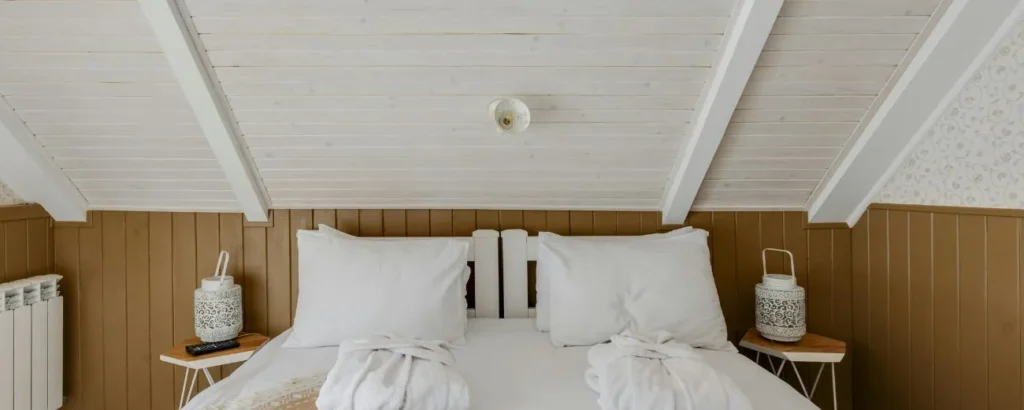
6. Vertical or Horizontal Wood Slats

Half Horizontal Wooden Slats
Best for: Accent walls in living spaces and bedrooms

Be creative when you install wood panels. Make unique patterns with vertical and horizontal wood slats to enhance your bedroom wall design.

Take inspiration from these designs:

  • Narrow, evenly spaced vertical wood paneling sheets with crisp white upper walls.
  • Color both portions the same color but use different sheens.
  • Whitewashed or driftwood-gray slats with shiplap upper walls.

Just a quick word of caution here: You have to clean the wood walls frequently to keep them looking fresh all the time.

7. Weathered Grey Cladding For Outdoor Wood Paneling

Outdoor Wood Paneling
Best for: Exterior walls, patios, garden fences, and outdoor seating areas.

If you want to bring a countryside vibe to your home, grey cladding is a great choice. You can use it as exterior wood paneling or add it to your patio’s design for a rustic touch.

8. Tongue and Groove Paneling

Tongue and Groove Paneling
Best for: Hallways, entryways, utility rooms, and mudrooms

Tongue and groove paneling works on the interlocking technique. The wooden boards (a “tongue” on one edge fits into a “groove” on the next) for a seamless, smooth finish. It closes any possible gaps between the panels.

Charlotte Holman, a passionate home DIYer, has demonstrated how you can install them on your own. She fixed wood wall panels into each other, primed and painted the wood, and added a custom shelf, hooks, baskets, and plants for decor.

9. Classic White Half-Wood Paneling

Classic White Half-Wood Paneling

Your interior wood paneling DIY project can’t be complete without this one. While white paneling may appear to be a standard idea, you can spice it up with your design twists. For instance,

  • Paint the paneling’s top rail or baseboards in a bold hue.
  • Hang oversized art and install floating shelves or round mirrors above the paneling.
  • Add minimalist brass hooks or leather straps (when installing them for entryways).

It is also a great way to match the theme of your white living room while giving it a new touch.

10. Tile and Panel Combo

Tile and Panel Combo
Best for: Bathrooms and powder rooms

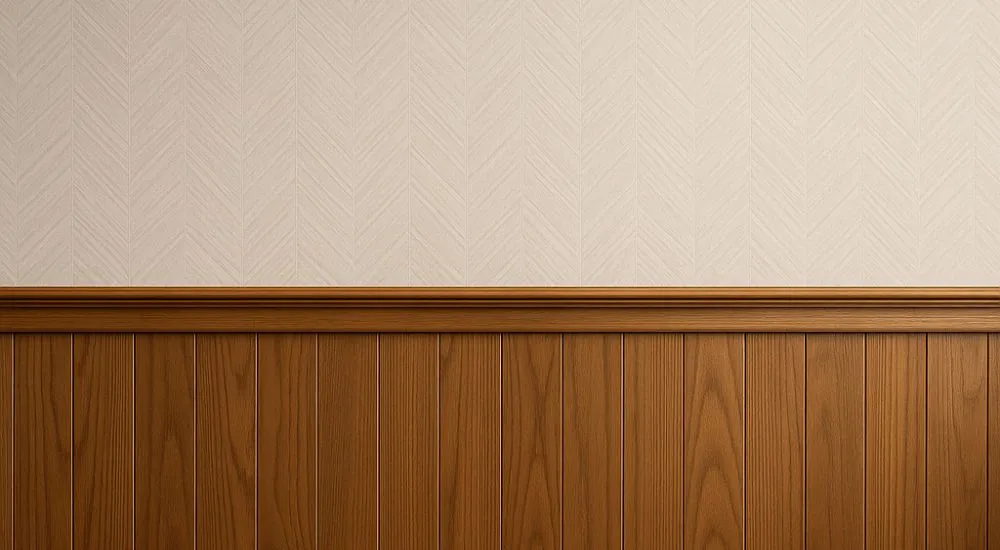
Install wood paneling on the lower half and top it with a narrow shelf ledge. Above it, use peel-and-stick tiles, herringbone wallpaper, or waterproof paint for a luxe look.

How to Make Half Wood Paneling Makeover Ideas Look Nice?

If you are installing the wood paneling on your own, here are some finalizing tips to make it look even nicer;

  • Use a level on every batten or panel to avoid any crooked lines.
  • Seal wood with a moisture-resistant primer/paint if you are installing them in the kitchen or bathroom.
  • You can also use furniture polishes to maintain the shiny gloss of panels.
  • Apply dark colors if you want to give an old wood panel a makeover.

It’s not just you who struggles with a patchy, unappealing lawn. Thousands of homeowners put in efforts to get a greener and healthier lawn. But, most of the time, a little negligence ruins all of their efforts.

Luckily, in this article, you will learn all the guidelines to get a greener lawn that not only looks exciting but also makes the environment healthier for you.

How To Get A Green Lawn?: Complete Guide to a Greener Lawn

The following steps will help you have a green lawn in your home.

1. Improve Your Soil Quality

Nutritional composition and pH are the two main factors that determine the quality of the soil. For grass growth, a pH of the soil ranging from 6.00 to 7.00 is considered optimal. It means that when you are thinking of growing grass in your lawn, the soil must not be too acidic or too basic. The change in soil pH hinders the nutritional uptake, thus hindering the grass growth.

So, if you find your soil pH is deviating from the targeted pH, use either lime or sulfur. Lime will increase the soil pH, and sulfur will decrease it. Besides pH, ensure that your soil provides the optimum nutritional content for the growth of grass. You can use organic matter to such as compost, with a mulch layer to improve soil quality.

2. Aerate Your Lawn

With time, soil gets tightly bound, which hinders the oxygen and nutrients from reaching the roots of the grass. Aeration helps in loosening the soil’s tightness and easing the uptake of essential minerals, water, and oxygen by the roots. You can select the grass aerator depending on your lawn. For example, the handheld aerator is considered good for the smaller lawns.

Ensure to water your lawn deeply before aeration. Also, clean your lawn, especially remove the hard materials, for a safe procedure. Further, find out the best time for aeration according to the type of grass. Usually, the grass growing season, spring or fall, is considered suitable for aeration.

3. Dethatch to Let Your Grass Breathe

The accumulation of the dead layer of the grass and roots can destroy your lawn’s growth. The thick, dead layer, of about half an inch, hinders sunlight and air from reaching the growing grass. So, whenever you notice that dead grass or roots are trying to cover your lawn, use a dethatched.

Before dethatching, mow the lawn and slightly water it. Water helps in loosening the rigid thatch. Then, use the dethatching rake and dislodge, collect, and remove the dead grass and roots.

4. Fertilize Gently and Wisely

You can’t select any random fertilizer, especially when you’re looking for how to make your grass green faster. Try to buy the controlled-release fertilizer from reputable manufacturers. Mowing the lawn a few days earlier can help improve the fertilizer’s penetration in the soil. Similarly, water your lawn about two days earlier.

For even spreading of the fertilizer, use an appropriate spreader according to your lawn type. Spreading in a grid pattern, particularly in the evening, is considered an optimal practice for fertilization. Don’t forget to water the lawn after applying fertilizers to accelerate their absorption.

5. Water Smartly and Deeply

A thoughtful watering technique can also help you make your lawn greener. Instead of watering frequently, try to water deeply once or twice a week. Whenever you water your lawn, ensure that water is reaching at least 6 inches down in the soil. If water fails to penetrate deep down, it will not reach the root system.

Aeration and deep watering can help in good penetration. Further, collecting rainwater for lawn watering is considered an eco-friendly approach. In addition, try to water the soil in the morning to avoid water loss by evaporation.

6. Mow the Right Way for Greener Grass

You’ll be surprised to observe how the strategic mowing accelerates the grass growth in your lawn. All you have to do is mow your lawn regularly and wisely with a sharp-blade mower. At the very first step, decide on the targeted height you want to cut, depending on the grass type.

Use the mower to cut the grass no higher than 1/3rd of the blade’s length each round. Then, reduce the cutting height of the grass in the next round. Also, try to change your direction each time you mow your lawn. After mowing, remove all the debris and leave the grass clippings to act as fertilizer.

7. Overseed Bare Patches

You can simply overseed the bare patches by spreading high-quality grass seeds on them. Prepare the soil by raking and cleaning the area before spreading the seeds. Then, evenly spread the grass seeds, rake again, and water the lawn. Ensure that you are using disease-resistant seeds that fill the gaps properly. Moreover, you can also add a mulch layer for efficient results.

8. Avoid Common Mistakes

Your little negligence can deprive you of the fruitful outcomes of your efforts. For example, if you overwater the soil, it will suffocate the roots, hinder their growth, and increase the risk of disease. On the other hand, if you underwater the soil, it will put stress on the grass and restrict sufficient growth. Similarly, cutting the grass too short will weaken it and increase weed growth. Furthermore, quickly remove the mold from pavers if you have them in your lawn. Your lawn isn’t the only space that needs attention, poolside paver cleaning is just as essential for a fresh, tidy outdoor vibe.

Grass Growing Tips

Grass Growing Tips

Here are some further tips for green grass growth:

  • Add magnesium to get greener grass blades.
  • Use grass clippings as a natural source of nitrogen.
  • Add some wetting agents if the soil is dry.
  • Use compost tea for accelerated grass growth.
  • Mow with sharp blades when the grass is dry.

Read More: 4 Cheap Patio Paver Ideas to Style Your Outdoors Space

Pro Tip: High-Impact Lawn Care Suggestion

Adjust the soil pH and maintain its nutrients. Aerate and dethatch your lawn regularly to optimize oxygen and mineral penetration and uptake. Spread the nitrogen-rich fertilizer evenly on the soil. Water deeply without overwatering the soil. Mow your lawn regularly in alternate directions.

Conclusion

Now, you must be clear about how to make grass greener. The quality of the soil decides whether you’re going to get a greener lawn or not. So, all of your struggles should be focused on improving the soil’s quality for healthy grass growth. Use nitrogen-rich fertilizers and other organic matter with proper aeration. Never let the dead grass and roots cover the lawn surface. Lastly, water your lawn deeply and mow it wisely.

Let’s face it—your patio should be your happy place—sun-drenched mornings with coffee, breezy afternoons with books, or cozy nights lit by fairy lights. But nothing kills the vibe faster than dusty, stained, or weathered furniture. If you’re wondering how to clean outdoor wood furniture without wrecking its charm (or the planet), you’ve landed in the right place.

We’re breaking down five super-effective and natural methods to clean and revive your wood furniture—plus bonus tips for cushions, mesh, and even metal tables. It’s time to refresh your outdoor setup without going full Pinterest-overwhelm mode.

5 DIY Ways to Preserve Wooden Patio Furniture Without Replacing

1. The All-Natural Vinegar Magic Mix

If you want to use eco-friendly solutions, white vinegar is what you need. It’s antibacterial, cuts through mildew and grime, and it’s safe for wood when diluted correctly.

What You’ll Need:

  • 1 cup white vinegar
  • 1 cup warm water
  • Optional: A few drops of mild dish soap for extra grease-fighting ability
  • Spray bottle
  • Soft-bristle brush or microfiber cloth

How to Use: Shake your solution in a spray bottle and spray freely onto your wooden furniture. You should carefully spray the areas with visible dirt or buildup. Allow the solution to dry for 5–10 minutes to loosen the grime. After that, softly scrub with a soft-bristled brush (like a recirculated nail brush or old toothbrush) in the wood direction. Wipe with a fresh, wet cloth and let the piece air dry in a shaded area—direct sun can make it crackly.

Pro Tip: Include a few drops of essential oil such as lemon, eucalyptus, or lavender for a pleasant smell and extra antibacterial strength. And, it low-key repels bugs.

This is the ultimate solution if you’re all about how to sanitize outdoor wood furniture naturally and keep harsh chemicals far, far away.

2. Clean Stubborn Stains the Smart Way

Not every spill is the same. Coffee, wine, bird droppings, or mystery dirt may leave behind stains that refuse to move with a simple clean. Don’t worry—we’ve found a DIY cleaner that’s not harsh but tough.

DIY Baking Soda Paste:

  • 1 tbsp baking soda
  • Water splashes to form a paste
  • Optional: Include a dash of hydrogen peroxide for added stain-fighting power
  • Soft brush or sponge

How to Use: Rub the paste directly onto the stain and work in a circular motion gently with your brush. Allow to sit for 10–15 minutes while the baking soda does its thing. After that, just wipe it with a damp cloth and rinse with warm water.

This trick is perfect for natural stains (food or drink) and slight color shifts caused by water or pollen.

Style Refresh Tip: Once the stain disappears, attempt to cover the area with a bohemian-printed table runner or a wooden centerpiece to conceal the damage and update your patio’s look.

3. Revive Weathered Wood Without Sanding

When your wood furniture has begun to look more like driftwood than designer, it’s time for a refresh. Greying, bleaching, and rough texture are the natural result of exposure to sun and rain, but you need not sand it down to the bare wood every time to get it to look new.

What You’ll Need:

  • Oxygen bleach, i.e, OxiClean or the eco-friendly alternative one
  • Warm water
  • Scrub brush (soft-to-medium bristle)
  • Hose with spray nozzle
  • Teak oil or linseed oil for sealing (optional but highly recommended)

Usage: Mix oxygen bleach with warm water. Spray solution on with a brush, scrubbing in the direction of the grain, particularly on crevices or slats. Allow it to remain for 10–20 minutes (do not allow it to dry on the surface), then hose off.

Allow the furniture to dry completely—ideally overnight—before oiling using a soft cloth. This replaces the natural oils weathered away and guards against future cracking or fading.

Bonus Aesthetic Boost: Teak oil pulls out deep honey tones in wood, and linseed oil yields a warm amber sheen. Choose according to your vibe.

4. Don’t Forget the Cushions and Canvas

Outdoor cushions get exposed to sun, sweat, rain, and pollen—so they deserve a proper clean too.

Natural Fabric Cleaner:

  • 2 cups warm water
  • 1 tsp Castile soap or dish soap (extremely mild)
  • 1 tsp Borax
  • Spray bottle or bucket
  • Soft sponge or towel
  • Vacuum or handheld brush (optional first step)

How to Use: Begin by vacuuming or brushing loose pollen and dirt from the material. Spray or mist and gently scrub onto the material. Don’t forget to receive the special extra attention at seams and corners—gunk’s a hide-at-tough-to-get spots guy.

Let it sit for 5-10 minutes and rinse well, then press out excess water without wringing out the material. Hang flat in a shaded, well-ventilated room to dry.

Consider refreshing with a fabric-safe essential oil spray between washes.

If the above isn’t to your liking, try an easy-to-use solution of an on-hand outdoor furniture cleaner for cushions, but select one that is non-toxic and suitable for your fabric selection.

5. Mesh and Metal Deserve Attention Too

Your patio isn’t just wood. If you’ve got mesh chairs or a metal side table, here’s how to keep them just as fresh.

For Mesh Furniture:

  • A mixture of dishwashing soap in warm water
  • Scrub slowly with a sponge or a cloth
  • Use a toothbrush for the edges
  • Towel dry and rinse

Mesh is usually made of plastic or vinyl-coated fabric, so be gentle to avoid tearing. For tougher buildup, add a dash of vinegar to the mix.

For Metal Tables:

  • Equal parts water and vinegar
  • For shine & rust, use lemon juice or baking soda
  • Scrubbing pad or cloth

Scrub lightly with a cloth, spot the rusty spots with baking soda if needed. Then, wash and dry so that there is no watermark left.

Style Tip: Finish cleaning with a top of a table runner or placemats of a tonal color for that inviting outdoor brunch look.

Seasonal Cleaning Cheat Sheet

  • Spring: Time to do the deep clean. Use the method no. 3 in this season. Clean every cushion.
  • Summer: Every 2 weeks, spot clean with vinegar spray. Have covers available for impromptu pop-up rain showers.
  • Fall: Leaves and twigs need to be removed daily. Spot clean spills immediately. Keep cushions in the house.
  • Winter: Tighten covers on furniture or move furniture inside. Always dry the covers before storing them to avoid mold.

Cozy Patio Refresh Ideas

You’ve cleaned, now it’s time to style.

  • Pillows and Throws: Add layered cushions in earthy tones like moss green, terracotta, or oatmeal beige.
  • Lighting: Hang warm string lights or lanterns to create a soft evening glow.
  • Plants: Use terracotta pots or woven planters to soften hard edges and add life.
  • Centerpieces: Style your freshly cleaned wood table with a woven tray, candles, and a small bouquet.
  • Fresh Floors: Clean furniture hits differently when the patio itself is glowing. Make your pavers sparkle.

Final Thoughts

And now that you have learned to clean outdoor wood furniture —and naturally keep it fresh—you’re now officially the patio queen (or king). Whatever the event – a seasonal deep clean or a quick touch-up for a backyard party – these tips bring eco-friendly and eye-candy into play.

Bookmark this guide and share it with your patio pal friends. Your outdoor paradise has to shine throughout the year.

You’d think it would be unusual, but mold grows more easily on pavers than you’d ever consider. Either they can be your patio areas, driveway, or front porch; if you keep your pavers damp and moist, you’ll find mold there. It’s good hygiene to keep every corner of your house clean, including your pavers, and removing mold from your pavers is as easy as boiling eggs.

In this guide, you’ll learn about practical, no-brainer techniques for cleaning and removing mold that guarantee your pavers are mold-free and looking their best. Whether you prefer natural solutions, household items, or commercial cleaners, we’ve got you covered!

Why Does Mold Grow on Pavers?

Why Does Mold Grow on Pavers

Mold growth mainly occurs because pavers are often made of porous material that absorbs water, leading to a moisture buildup on the pavers, resulting in mold later on.

Environmental conditions contribute to water seeping into pavers. The humid weather poured rain, and the organic materials like leaves, dirt, and other organic debris are the cherry on top for a recipe for solid black mold.

Some people prefer to lay pavers in the shade, which prohibits sunlight from accessing them, and thereby, the moisture does not evaporate and hence gradually accumulates health-hazardous and quite unattractive-looking mold.

Just as you want your pavers to look good, you can also learn how to achieve a lush, green lawn for a complete outdoor transformation.

Quick and Easy Methods to Clean Mold From Pavers

Removing mold from pavers seems to be a task that’s too big for anyone, but it doesn’t have to be. There are many fast and easy ways to remove mold from pavers.

1. White Vinegar Solution

Removing mould from pavers vinegar

White vinegar is a natural, non-toxic mold killer that’s environmentally friendly and inexpensive. The acidity breaks down the mold growth, cleaning your patio pavers, and leaving them clean and fresh.

How to use it?

  • Fill up the spray bottle with undiluted white vinegar.
  • Drench the areas liberally affected by the mold.
  • Wait for 30-60 minutes.
  • Clean every nooks and crannies with a brush and flush with water.

2. Baking Soda Paste

Baking Soda Paste

Baking soda is an all-natural, eco-friendly solution for removing mold. The alkaline nature of baking soda not only removes mold from pavers but also prevents its regrowth, so it is a safe and effective solution.

How to use it?

  • Stir into a thick paste with baking soda and water.
  • Apply the paste to the moldy spots.
  • Scrub the area using a brush followed by water.

3. Hydrogen Peroxide

hydrogen peroxide to clean pavers

Hydrogen peroxide is one of the powerful, eco-friendly solutions for resistant mold. The solution kills the mold without creating any harmful fumes, hence safe for application indoors and outdoors.

How to use it?

  • Pour 3% hydrogen peroxide directly on the moldy surface.
  • Let it stay for 10-15 minutes.
  • Clean the area and then rinse well.

This versatile cleaner is powerful for outdoor stone, much like it is when used as a gentle remedy for lifting tough wood floor stains without damaging the finish.

4. Bleach Solution (For Severe Cases)

Bleach Solution (For Severe Cases)

The best way to clean pavers is through the use of bleach. Bleach is a very effective disinfectant that can kill mold and bacteria within a short time. However, it has to be used with caution so as not to damage surfaces or harm plants.

How to use it?

  • The ratio of bleach to water to kill mold must be 1 part bleach to 10 parts water in a spray bottle.
  • Spray the solution to the areas that have mold.
  • Wait for 10-15 minutes and then brush off with a brush.
  • Rinse with plenty of water.

Warning: Wear gloves and protective eyewear and avoid spraying bleach near plants.

5. Mold Removers Or Paver Cleaning Solutions

Mold Removers Or Paver Cleaning Solutions

Store-bought mold and mildew cleaners are available for effortless removal. These contain powerful chemicals that kill and destroy tough stains on pavers, making them look pretty again. In some cases, especially around areas like swimming pools where moisture creates ideal breeding conditions for mold, the growth can be more widespread. For those specific zones, cleaning pavers around pools regularly helps eliminate the mold.

How to use it?

  • Apply according to the product’s instructions.
  • Scrub and then rinse as specified.

Tip: opt for environment-friendly alternatives to prevent harmful runoff.

How To Stop Mold From Growing on Pavers

You found out why mold is growing and found ways to remove mold on pavers. But you realize doing this every so often gets quite exhausting, not to mention how time-consuming it is. What you need now is a permanent solution that can stop mold growth and get rid of mold on your pavers. Here are some easy and effective strategies to keep your pavers mold-free:

1. Use Mold-Resistant Paver Materials

Save yourself from future hassle by staying ahead of your game and using mold-resistant materials when you clean and renovate pavers. (Plus, cutting pavers in a way that leaves no space for dirt and debris also helps a lot.) Some non-porous materials in the market are more resistant to mold growth, such as concrete, natural stone, or certain ceramics – now that would be a long-term solution right from the start! Brick stepping stones are good aesthetically and strength-wise, as it is relatively easier to clean mold off bricks.

If you have already installed your pavers, you can look for a mold-resistant treatment, which can also be coated after its installment and improve the resistance on porous pavers.

2. Regular Maintenance and Inspection

Fix the problem in its premature form rather than waiting for it to get worse. Early detection and maintenance saves you time by preventing mold problems from escalating beyond your control. The routine inspection to deal with the damages right away is the key.

A schedule for deep cleaning and removing the hidden mold inside the pavers should be considered to keep them at their best.

3. Install Proper Ventilation Structures

Another simple way to prevent the formation of molds on your pavers is to avoid moisture buildup. This can be achieved by installing structures such as Pergolas or lattice-style designs that allow airflow with controlled sun exposure. That way, the moisture buildup on the pavers will be minimized.

Conclusion

Removal of mold from pavers is necessary for maintaining the aesthetic appeal and safety of your outdoor spaces. It is only possible to manage such a situation by keeping up with the maintenance and preventing mold beforehand.

When I was first cutting pavers for my patio (using these designs), I had no idea how tricky it would get. You think you can just line them up and call it a day, right? Nope. At some point, you’re going to have gaps in the pavers where mold can grow as well over time. Then you will need to clean them after every few months. So, it is better to cut the pavers perfectly in the first go. Depending on what tools you have (or don’t have), the whole thing can either feel like a breeze or a major headache.

Honestly, the tool you use depends on your situation. Like, if you’ve got a circular saw or an angle grinder lying around, you’re in good shape already. Just grab a diamond blade that’s meant for cutting masonry, and you’re set. If you don’t have those tools and you’re dealing with a ton of pavers, renting a wet saw might save you a lot of effort. But if you’re like me and want to try the old-school way, you can’t go wrong with a hammer and chisel. It’s slow but super satisfying.

Before I Start Anything

There’s one lesson I learned the hard way: preparation is EVERYTHING. Cutting pavers without planning is a disaster. Trust me. The first thing I do is measure the space where the pavers will go. This step might seem boring, but getting those measurements right saves so much frustration later. I always calculate how many full pavers I’ll need and how many pieces I’ll have to cut. Don’t forget to add a few extras for mistakes—or accidents.

Once I’ve laid the pavers on the ground, I start looking at the empty spaces where they don’t fit. And here’s the thing—if you leave even a bit of room, moisture creeps in, especially near wet zones like pool areas. That’s exactly where mold loves to breed. If that sounds familiar, cleaning pavers around pools helps you achieve a mildew-free zone.

When it’s time to mark the pavers for cutting, I grab a pencil or chalk and use a ruler to make straight lines. Here’s a little tip I swear by: mark both the top and bottom of the paver. That way, if you’re flipping it or cutting from different angles, you’ve always got a reference point. Oh, and when I use a hammer and chisel, I mark all the sides—top, bottom, and both edges.

My Safety Checklist

Safety is non-negotiable for me. I’m not trying to get injured over some patio project. I always wear goggles. Even with small jobs, little chunks of concrete can fly right into your face, and let me tell you, it hurts. I also throw on a dust mask, especially if I’m using a saw or grinder, because that fine dust gets everywhere. And don’t forget ear protection—those tools are loud.

Tools I Usually Use

Here’s the gear I’ve relied on over the years:

  • Hammer and chisel (great for a few cuts but slow).
  • Circular saw with a diamond blade (a game-changer for precision).
  • Angle grinder (similar to the saw but smaller).
  • Wet saw (if I’m feeling fancy or cutting a lot).
  • A chalk marker, clamps, and sometimes a non-slip mat to hold the paver in place.

How to Cut Pavers With a Circular Saw or Angular Grinder?

Circular saws (7 1/2-inch blade) or angular grinders (4 1/2-inch blade) are my go-to for straight, clean cuts. They’re fast, though they kick up a storm of dust, so I always prep for that.

Marking the Line: First, I clean the paver and mark the cut line on the paver’s top side with a pencil. I use a straightedge or a square to keep the line even. Then, I transfer the line to the bottom, just in case I need to flip the paver later.

Setting Up the Blade: I adjust the saw blade so it cuts shallow at first—about 1/8 of an inch deep. Starting shallow helps me control the cut better.

Making the Cut: When I start cutting, I go slow. I make multiple passes, each time cutting a little deeper. I don’t try to slice through the whole thing in one go—it’s way easier this way.

Flipping the Paver: After cutting halfway through, I flip the paver and repeat the process on the other side. This helps avoid any jagged edges or breakage.

Breaking It Off: Once the grooves are deep enough, I set the paver on a flat surface and give the waste part a gentle tap with my hammer. It usually breaks cleanly along the cut line.

The satisfaction of a perfectly cut paver is immense, and you can achieve a similar level of visual appeal when you learn the best ways to get a green lawn.

Wet Saws Are My Favorite for Big Projects

When I had to cut a bunch of pavers for my driveway, I rented a wet saw. Best decision ever. It’s basically a larger version of those tile saws, and it sprays water while cutting, which keeps the dust down and the blade cool.

Here’s what I did:

  • I marked the paver like I usually do.
  • Placed it firmly on the saw sled, lining up the blade with my mark.
  • Turned on the saw and let the water flow over the blade.
  • Slowly pushed the sled forward, keeping my hands far from the blade.
  • Once the cut was done, I slid the sled back, removed the paver, and admired my work.

How to Cut Pavers Without a Saw – My Hammer-and-Chisel Method

There’s something satisfying about breaking pavers with a hammer and chisel. Sure, it’s not as fast as a saw, but for a handful of cuts, it’s perfect.

  • First, I mark all four sides of the paver.
  • I lightly tap the chisel along the line to create a shallow groove. It’s important to go slow here—if you hit too hard, the paver can break in the wrong spot.
  • Once I’ve scored the line, I set the paver on a flat surface and give the chisel one good, firm strike in the groove. Nine times out of ten, it breaks cleanly.

How to Cut Brick Pavers With Brick Splitters?

Sometimes called guillotines, these manual tools are perfect for brick and concrete pavers. They’re quiet and dust-free.

Step 1: Align

I place the paver on the splitter. Line up the cutting edge with your mark.

Step 2: The Split

I pull the handle down sharply. Done. Easy, right?

Drilling Holes in Pavers

I don’t do this often, but sometimes I need to drill a hole—for posts or drainage. Here’s how I go about it:

  • I always use a rotary hammer for newer concrete or a hammer drill for older stuff.
  • I mark the spot where I need the hole, then place the paver on a flat surface.
  • With the drill set to high speed, I drill straight down, keeping the bit as vertical as possible. Drilling at an angle can cause cracks, and no one wants that.

If the hole needs to be bigger, I switch to a larger drill bit and go again. It takes patience, but the result is worth it.

Some Lessons I’ve Learned

  • Always order extra pavers. You think you won’t mess up, but you will.
  • A wet saw saves so much time if you’re doing a big project.
  • Cutting outside on a windy day? Smart. The wind takes care of the dust.

So, that’s how I cut pavers. It’s not rocket science, but it does take patience and a little know-how. No matter which method I use, I try to enjoy the process—it’s all part of building something cool!

FAQs

What are the best tool for cutting pavers?

Circular saws or grinders for quick cuts. Wet saws for precision.

Can I avoid using a wet saw?

Sure, but it’s messier and more time-consuming.

What blade is best?

Always use a diamond blade. It’s made for masonry and stone.

If you’re looking to jazz up your outdoor space with a walkway, patio, or even a small garden area, cutting and laying pavers is the ultimate way to get that sleek and functional finish. You’re going to make your outdoor area look like something straight out of a magazine. Not nearly as hard as it sounds – kind of fun once you get into it, but you will want some material, preparation, and a little patience. So let’s get into the nitty-gritty of laying pavers like the pro you were born to be!

8 Steps to Install Pavers for your Outdoor Space

Gather Your Tools

Before you start digging into your yard like an over-excited dog, make sure you have the right tools:

  • Pavers (brick, concrete, or stone-your choice)
  • Base of sand or gravel (foundations=everything)
  • Landscape fabric
  • Edging materials
  • A rubber mallet
  • Level-because sloppy pavers ain’t cute
  • Tamper or plate compactor
  • Measuring tape and stakes

Check the list twice, now. Awesome. Let it roll

Planning is Key

Determine your design and pattern of pavers. If you have a patio or a walkway, planning ahead is key. Mark the area where the pavers will be laid using thread and stakes. Measure twice, to avoid having to redo it later, of course!

Add a Gravel Base

Time to get in touch with your inner archaeologist. Dig out the area where your pavers will go, about 6-8 inches deep. This makes room for the base materials and means your pavers won’t just sink into the ground like a sad, forgotten ship.

Pro tip: If you’re Googling how to lay pavers on dirt right now, I’ve got news for you. You can slap them down on dirt but they’re just not going to last. Trust me when I tell you it is worth it to add a gravel and sand base.

Lay Down Sand Over the Base

First, lay down landscape fabric to block weeds (because nobody wants to fight dandelions later). Then add 4-6 inches of gravel and compact it with a tamper. On top of that, spread about an inch of sand. Smooth it out like icing on a cake—this is where your pavers will sit pretty. That’s how you lay sand correctly!

Start Putting Pavers on the Sand Base

Starting to put your pavers in the desired pattern is the exciting phase. You can do a traditional grid or get crazy wild and design a herringbone. You can cut the pavers in your desired design first and then lay them flat on the sand base. Tap each one into place with your rubber mallet and level them as you check them. Stepping on a loose paver isn’t fun.

Edge It Up

Edging is like the eyeliner of your paver project—it keeps everything sharp and in place. Use plastic, metal, or concrete edging to frame your masterpiece and stop your pavers from sliding around.

Fill the Gaps

Time to lock those pavers in! Sand should be spread out and swept into the joints. Polymeric sand is a solid choice because it hardens when wet, giving your pavers extra stability.

Tamp and Enjoy Your Handiwork

Grab that tamper once again, and tamp those pavers into the base. Now it all should be snugged in there and level. Sweep off any remaining sand, step back, and bask in the glory of your hard work. You did it!

Now that your paver project is looking fantastic, consider how to cultivate a lush green lawn to complement your new outdoor space.

Quick PSA: Mold Happens, But You’ve Got This

Outdoor pavers = mold magnet, especially in shady or splash-heavy spots like around pools. If you’re dealing with that, cleaning poolside pavers is a practical solution that actually works. If you ever spot that greenish-black mold creeping in the pavers don’t panic. Sweep the area clean, then scrub it with a vinegar solution (or a mild bleach mix if things are really bad) to clean your pavers. Prevention is key, so stay on top of regular cleanings!

Tips for Different Paver Styles

Tips to Lay Different Paver Styles

How to Lay Brick Pavers

Brick pavers scream classy but need precision. Use spacers as necessary, but keep those lines straight. Uneven spacing may be quite annoying.

How to Lay Concrete Pavers

These guys are totally rugged and great for patios or driveways. Make sure your base is solid rock to put up with the abuse.

How to Lay Patio Pavers

Patios are all about the big picture. Check your levels obsessively as you go so you don’t end up with a tilted patio that doubles as a water slide when it rains.

Budget-Friendly Paver Hacks

Want to save some cash? Mix and match paver styles, use recycled materials or opt for smaller areas. For more inspo, you can also follow some patio paver ideas online.

Final Thoughts: You Nailed It

Learning how to lay pavers isn’t rocket science, but it does take some planning and effort. The result? A stunning outdoor space you’ll want to show off to literally everyone. Now, go grab a cold drink, sit on your freshly laid patio, and soak up the satisfaction of a job well done. Oh, and don’t forget to snap a pic for the ‘gram—you’ve earned it!

Cleaning concrete patio pavers can be tough because they receive a lot of foot traffic. Dirt, grime, molds, and algae build up in the corners and gaps of the pavers, making them tricky to clean.

But with the right tools and techniques, you can clean your patio paver in no time. In this piece, we have collected some useful patio cleaning ways suggested by home improvement experts.

Let’s get straight into it!

8 Best Ways to Clean Concrete and Patio Brick Pavers

These are the top most effective ways to clean and redo pavers. You can pick 2-3 different methods, depending on how unclean your patio is.

1) Basics First: Blowing, Sweeping, Wiping, And Soap Water Solution

This one is a no-brainer but worth mentioning because many people skip the basic step and directly jump to picking the expensive tools and cleaners.

Cleaning starts with simple sweeping. If you have loose dirt, debris, grime, dried leaves, or trash thrown on the patio, pick up the broom or leaf blower to clean it. Then, for stains, make simple soap water and scrub the concrete surface. This is also the best way to clean outdoor pavers around the pool.

2) Use Vinegar Or Bleach For More Tough Stains

Vinegar is another most popular option to clean even the hard-to-reach corners of the patio when soap water does not work. Tompkins County Health Department also recommends using white distilled vinegar for general patio cleaning purposes.

Here are the brief steps:

  • Combine equal parts of white vinegar and water.
  • Spray directly onto the affected areas.
  • Scrub the surface and rinse.

However, when using bleach, dilute it first, as it can be harmful to the skin.

3) Do Baking Soda Scrub

Another tip is to use baking soda to clean the pavers from mold and stains. Mix baking soda in water to make a smooth paste. Apply it on the spot and use a soft brush to scrub it. After just around 15 minutes, wash it away with water.

4) Pressure Washer

Many people use the pressure cleaning technique because it is less hectic and extremely gratifying. Just use the right nozzle size and maintain a safe distance. Experts suggest dampening the pavers with soapy water to enhance their cleaning effects.

Ashton Staudacher, a DIY home improvement influencer, cleaned her patio stones with a pressure washing technique. Since she does not prefer chemical cleaning methods, she finds power wash paving stones much more satisfying and easy.

5) Using Paver Cleaning Products

There is a constant debate between people who use power washers and the ones who prefer the best paver cleaners that are chemical-based. Realistically speaking, both ways have their own pros and cons.

If you want to clean pavers without damaging their structure, chemical cleaning is the best. These cleaners will surely remove the algae and moss build-up but might not be effective in cleaning them fully.

A DIY expert used 3 different types of cleaners and pressure wash to clean the pavers and pressure washer to see what options were the best. He concluded that the green tinge of moss was cleaned, but the slabs were not as bright as he expected. So, he had to use the pressure washer later on to clean them fully.

6) Electric Patio Cleaner

Electric patio cleaners are used to deep clean the pavers completely. They are eco-friendly, make less noise, and are extremely easy to use.

  • Set up the cleaning equipment and connect every part carefully.
  • Clear the area and spot the stains.
  • Gently sweep the surface of the patio.

Expert Note: Always let the surface air dry before walking on it to avoid any possible hazards.

7) Use Hydrogen Peroxide

If you do not like to use bleach, hydrogen peroxide is a much safer option. However, ensure that the solution you are making has just 3% concentrated hydrogen peroxide. Apply it on the surface and scrub it after a few minutes. Then rinse and let it dry. You might have to repeat the process if you see no difference.

You can see this in action in a case study where hydrogen peroxide is used to remove the stains of rusty metal chiminea from the patio pavers.

8) Use Sealant At The End

According to the Concrete Masonry & Hardscapes Association, it is extremely important to use sealers to protect the pavement from dirt and grime. From day-to-day spills to strong weather conditions, these sealers help prevent your patio from getting damaged again. Because let’s be honest, you won’t like to do the hard work again after a few weeks of cleaning it from top to bottom. For long-lasting results, ensure that your pavers are installed correctly in the first place. This will ease your cleaning efforts.

Just as proper paver installation makes cleaning easier, understanding how to cultivate a beautiful green lawn ensures your entire outdoor area remains pristine with less ongoing effort.

Finally, How Do You Clean Concrete Pavers?

Next time planning your winter cleaning project of your patio, you should keep in mind the following points:

  • Use less harsh compounds first. For example, soap water, dilute bleach, or vinegar.
  • Sweep loose dirt and grime.
  • Use a pressure washer and other electric patio cleaning tools to deep clean the tough stains.