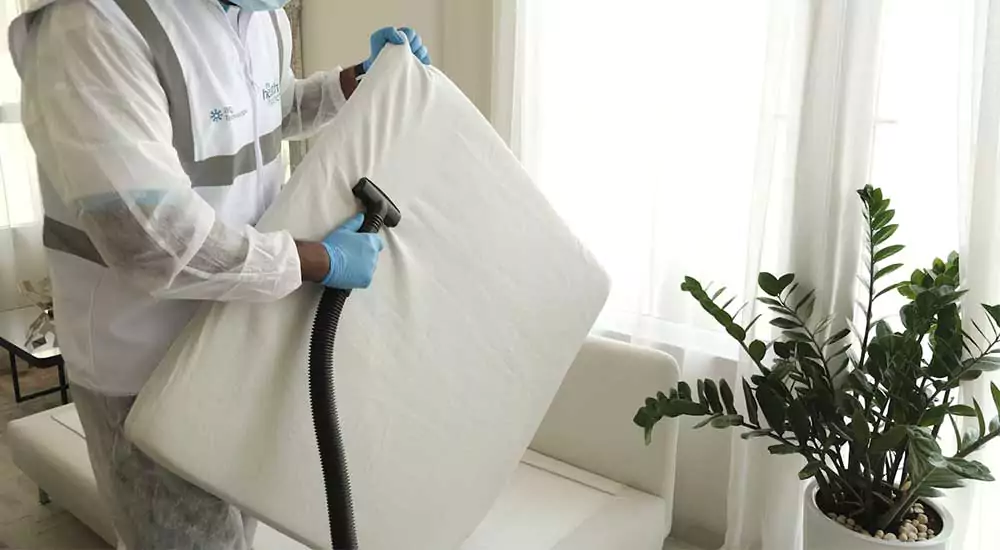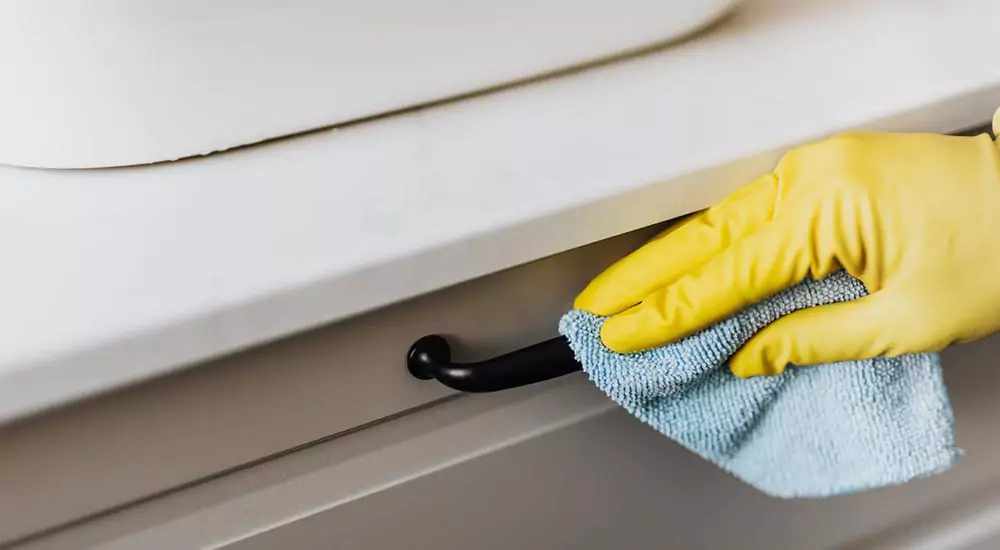

Author

Ahmad Khan

Browsing

A bedroom defines who you are besides your mental status. Not only is a bedroom beautiful to behold, but a clean and neat bedroom is necessary to help create a silent and restful atmosphere. Likely you cannot work in an untidy room you wish to clean. You get overwhelmed by the mess and the clutter.

Well, it’s time to say goodbye to mess and say hello to a refreshing, cleansed environment because you found yourself on our blog. This article compiles the definitive bedroom cleaning checklist, which includes a step-by-step guide on how to clean your bedroom and a proper schedule to keep everything tidy regularly.

Let’s get into action and transform that bedroom into a haven of serenity! Whether you’re aiming for a fresh, clean slate or considering new design elements like rich emerald room aesthetics, a tidy space is the foundation.

Why Bedroom Deep Cleaning Matters

A bedroom is where your body and mind recover daily. When it is unclean or cluttered, it directly impacts:

Why Bedroom Deep Cleaning Matters

Regular cleaning is not just about appearance, it’s about health and lifestyle improvement.

Essential Items You’ll Need to Clean Your Bedroom

To clean your couple’s bedroom efficaciously, you should have the right tools and supplies to make the process quicker and more efficient.

When working through your bedroom cleaning checklist, be sure to stock up on the essentials for efficient cleaning.

  • Microfiber Cloths: Extremely fluffy and capable fabric that leaves no streaks or traces behind.
  • Vacuum Cleaner: As noisy as it can be, it’s an important appliance for deep cleaning your whole house, from carpets to rugs, and hard-to-reach nook and cranny.
  • Brooming/Mopping: Cleaning floors by sweeping away debris and then mopping on hardwood or tiled floors to keep them clean.
  • All-Purpose Cleaner: A cleaning solution utilized to wipe down various surfaces and can also be used to get rid of dirt, grime, or bacteria.
  • Trashbag: An easy way to gather and dispose of surplus waste materials to keep the surroundings tidy and organized.
  • Storage Bins: To organize random things that clutter the bedroom so that it stays within your reach but not disarrange your floor space or bed.

Create A Bedroom Cleaning Schedule

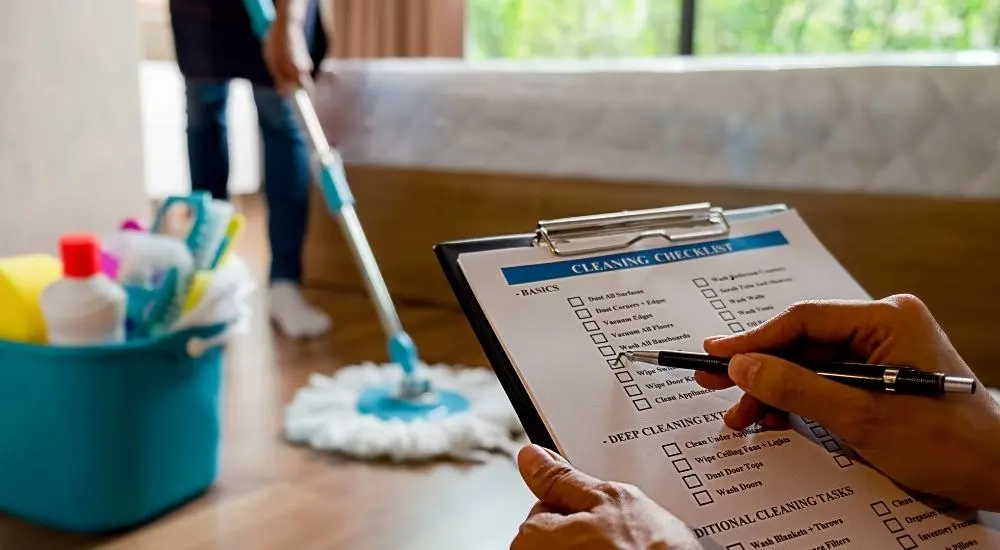
Bedroom Cleaning Checklist

Crafting out a bedroom cleaning checklist helps you in the further run to maintain a tidy and oragnized space without feeling overwhelmed on where to start when you finally realize that your room needs some cleaning.

So, a routine is the best way to keep the empty or fully designed nooks of your bedroom fresh and inviting with minimal effort.

Daily Bedroom Cleaning Checklist

  • Make Bed: Straighten your bedding first thing in the morning for a quick sense of tidiness.
  • Clear-up Clutter: Put away things like books, clothes, or personal belongings.
  • Empty Dustbin: Keep it odor-free by taking out the trash daily.
  • Quick Wipe: Using a microfiber cloth will clean high-touch surfaces such as nightstands and dressers by simply dusting.

Weekly Bedroom Cleaning Checklist

  • Change Bedding: Bed sheets, pillowcases, and duvet covers should be washed and changed for freshness.
  • Dusting/Mopping: It’s primarily dusting carpets and sweeping wooden floors of any dirt or debris.
  • Clean Surfaces: Clean all furniture, shelves, and light fixtures.
  • Mirrors and windows: Using glass cleaners, streak-free shine is achieved.
  • Declutter: Rearrange drawers and closets so everything is accessible and neat.

Monthly Bedroom Cleaning Checklist

  • Rinse the Curtains/Blinds: Pull dirt out of them and make them clean again.
  • Deep Cleaning Carpets/Rugs: Carpet cleaner is good or else you can have the carpets cleaned professionally.
  • Wipe Walls/Baseboards: Spray a cloth with water to wipe it and remove grime and scuff marks. If your room has textured walls, make sure to use the appropriate method to clean, not just water.
  • Clean Ceiling Fans and Vents: Prevent dust buildup from air blockage inside the house.

Pro Tips to Clean Your Bedroom

First Declutter: Collect all the items in one place. Toss out unnecessary items from every corner like sofas, matresses, carpets and your reading nook (if you have) while moving things to keep them in their respective areas. Perhaps it’s a great time to declutter your closet and check that off your winter cleaning list.

Dust and Vacuum: Be sure to start from the ceiling fans or shelves to avoid spreading the dust to recently cleaned surfaces, then vacuum the floors. Get all the dust so your bedroom is spotless.

Organize: Cleaned items must then be arranged in an orderly fashion so that everything is in its rightful place and the space is not disarranged. If your bedroom is also an office, you must organize everything in a proper way to optimize productivity.

Touch-Up: Fresh linens on the bed, and a light mist in the air of a subtle perfume, or even scent candles leaves the room so serene. In black and white bedroom, choosing linens that complement the monochromatic theme can elevate the serene vibe. This makes every touch-up feel transformative.

Benefits of Cleaning Your Bedroom

Ticking off every box from that bedroom cleaning checklist enhances your surroundings and improves your daily routine and habits in many different ways.

1. Improves Productivity and Focus

Messiness in any place generates a mental mess. An organized, polished bedroom removes many distractions and breeds clarity and efficiency, which allow you to work on your responsibilities.

By maintaining your environment with a bedroom cleaning checklist, you’re creating a productive mindset for your daily tasks.

2. Boosts Mentality

A pristine space breeds more positivity, ensuring you feel most at peace or motivated. The messiness harbors different levels of stress or anxiety.

Therefore, cleaning up not only relaxes your mind but also gives you the feeling of control and accomplishment, changing the mood of the room instantly.

3. Encourages Healthy Habits

Cleaning your bedroom encourages healthy habits like discipline and making a routine to keep not only your room tidy but your home clean from top to bottom.

This practice gives a sense of initiative and the mentality to maintain all areas of life and motivates you to improve your life and surroundings.

Who knows, one day you wake up and feel inspired to make changes in your room, like changing the flooring, moving the bed to another location, or installing board and batten walls in your bedroom, there are endless possibilities.

For example, if you’re considering decorating a peaceful gray bedroom, a deep clean can be the perfect starting point to refresh the space.

Conclusion

You can follow the bedroom cleaning checklist while maintaining freshness through daily decluttering, dusting, and organizing.

This everyday habit will maintain a clean space, help to create a cozy environment conducive to good sleeping habits, and assist in restful sleep.

By performing everyday activities or even taking a more deep-cleaning approach monthly, you can keep a neat room that enhances your physical space while positively affecting your mental state.

Get to cleaning today, and transform your bedroom into a cozy haven for ultimate relaxation.

Also Read: 8 Navy Blue Bedroom Ideas

Do you dream of creating your own little home from the bottom up, but can’t match the outrageous costs on the present market? Certainly, constructing a small house is not an overnight job; the process may even transform pure enthusiasm and passion into aggravation and psychological weariness. But this is your domain, a free space for organizing and bringing into reality a fantastical universe. Dissecting real 2026 numbers, this article provides a clear, practical roadmap by helping one to budget, assess possibilities, and avoid excess spending.

Average house building expenses in 2026

Average house building expenses

Excluding land, construction costs in the United States in 2026 vary from $138,937 to $531,294, with a national average of roughly $323K. Your final cost is much determined by whether you build in a cheaper rural area or a rich coastal city center. Materials saw a 4.2% rise in 2025 as tariffs strained them. Then there are hidden costs, which include surveys and landscaping, that can result in 10-25% more costs being realized.

Cost Depends on the Types of Small Houses

House TypesAcres / SizeEstimated Cost
Traditional Small House800–1,500 sq ft$150,000 – $450,000+
Tiny HouseUnder 400 sq ft$30,000 – $100,000
ADU200–1,000+ sq ft$40,000 – $300,000+

Traditional Small House

Traditional Small House

Often measuring 800-1,500 sq ft, these houses employ conventional structural framing, masonry, and brickwork to surpass the typical 2,200 sq ft residences. Following building code rules and zoning rules, they provide defined room layouts. Offering classic comforts on a smaller land area, this size suits a simple lifestyle.

Tiny House

Tiny House

Just under 400 square feet, tiny houses are even smaller than the conventional modest home. These homes are usually prefab or come with wheels and an engine, which, by the way, reduces foundation and excavation costs. Though inexperienced structural framing poses significant safety hazards, this might be a more affordable choice because DIY components and small nooks for utility lower costs here.

ADU

Ranging 200-1K+ sq ft, Accessory Dwelling Units (ADU) can be disconnected as a garage conversion. Although they are founded on already existing land, therefore avoiding separate property acquisition, they nevertheless need permits, service mains, and adherence to local building permits and inspections.

Factors Affecting the COst of Building Small Homes

Pre-Construction Planning

Pre-Construction Planning

This phase entails costs of an estimated 5-10% of your budget, with material take-off and plot size planning.

  • Architectural Design & Engineering Fees: An architect can cost up to 8-15% ($30k – 60k), which covers blueprints, 3D models, and MEP plans.
  • Permits & Inspection Expenses: You have to factor in around $1K$3K for local permissions as well as inspection fees for fire safety, egress, ventilation, and zoning compliance before starting construction.

Land & Site Development

Though the price of a small home might range widely depending on where it is, typically it runs from $2K to more than $150K per acre.

Costs for Property Acquisition: Average price for a 0.25-acre plot is $100K-300K if you are not constructing an ADU. If personal savings come up short, funding usually entails building loans.

Site Preparation & Clearing: Encompasses geotechnical analysis, excavation, drainage layout, and site survey. Depending on soil and terrain, prices run $2.3K to $12K.

Structural Foundation & Reinforcement

Depending on your foundation type, whether a slab, crawl area, or basement, the present basis expenses run roughly $21K+. Reinforced concrete, footing design, vapor barrier, waterproofing, and compacted sub-grade all fall within this particular phase of construction.

Framing

Including materials and labor, framing can range in cost from $11 to $30 per square foot. This covers load-bearing components making up the superstructure as well as structural framing, roof trusses, and lintels. The material also affects the cost significantly; wood framing is less costly, but steel is frequently necessary for hurricane regions, so choose judiciously.

Exterior Enclosure

Exterior Enclosure

The expenses for a small home vary on the extent of insulation, materials, and whether the project is a pre-fabricated kit or an own structure. Usually, for a 200 sq ft room, prices can vary from $2K for a simple screen enclosure up to financial crisis $80K for top-end, four-season glass sunrooms.

Read More: Board and Batten Half Wall Ideas

Mechanical System Setup

  • Plumbing Rough-in & Fixtures: Covers plumbing, taps, sanitary appliances, and drainage runs roughly $4 to $12 per square foot in a little new construction house.
  • Panels & Electrical Wiring: Electrical panels and wiring cost from $3,000 to $8,000. For a full rewiring or a whole new installation in a small home, it could cost even more.
  • HVAC Configuration: With the ductwork and insulation to keep a good thermal envelope with appropriate R-value and U-value, the price to install a new HVAC system is expected to range from $2.5 to more than $10K. Costs change greatly depending on the kind of interior build-out.

Interior Build-Out

  • Wall Constructions: Steps exist here. For the thermal envelope, insulation costs $1 to $3 per square foot; drywall costs $1.50 to $3.50. Wall plastering, putty, primer, and finally painting of your choice, maybe even a grayscale minimalistic aesthetic. This all would cost about $13,000 in all.
  • Floor Installation: Installing floor slabs, screed, and tiles costs $4$25 per square foot, averaging $13K+ depending on the materials.
  • Building Kitchens: The most crucial area to build, and probably the most costly as well. Sitting at $25K$70K to build with kitchen cabinets and countertops; additional if you wish an island.
  • Bathroom Vanity: Each bathroom will cost for sanitation fixtures, taps, and mirrors at about $800-$5K.

Buying Home Vs Building Home

Buying Home Vs Building Home

Building a little house sometimes is less sensible than just purchasing one that already exists. Once land, delays, and inflation are considered, structuring a small house or even a large house sometimes costs more than the $398K median price of current residences. Buying offers simultaneous consistent expenses and faster occupancy.

Fixed-rate mortgages guarantee payments; construction projects are vulnerable to delays and inflation. Furthermore, you have to budget for ongoing expenses, including property insurance, taxes, and frequent deep cleaning, to lengthen the life cycle expense of the home.

With a purchased home, you may swiftly change rooms. For instance, developing a comfortable living room with a little side office. You could even transform your little home into a fantasy-inspired area with reading nooks throughout for tea. It entirely sidesteps the headache of ground-up construction.

Conclusion

Achieving a favorable result depends much on carefully designing the construction of a tiny home. From the substructure on through all finish stages of your new house, this planning starts. You have complete creative control over the construction of your little house, yet you must weigh the high cost of supplies against the simplicity of buying a fresh home.

Deep cleaning a house can sound like a huge task, but with the right tools and a plan, it becomes surprisingly manageable (and even satisfying!).

Here’s your room-by-room deep cleaning house checklist to make sure every corner of your home gets the love it deserves.

Ready to roll up your sleeves?

Let’s get started.

Quick Project Snapshot | Deep Cleaning Checklist

Must-Have Deep Cleaning Supplies

First, gather the right tools and products to make this as smooth as possible:

  • Vacuum Cleaner: Ideally one with attachments to reach tricky areas and different surfaces.
  • Microfiber Cloths: Great for dusting without leaving streaks or marks.
  • Mop, Scrubbing Brushes, and Sponges: For getting floors and surfaces spotless.
  • Disinfectants and Surface Cleaners: Choose products suitable for the kitchen, bathroom, and other areas.
  • Glass Cleaner, Floor Cleaner, Degreaser: For stubborn spots like mirrors, greasy stovetops, and tile floors.

Pro Tip: When using stronger cleaners, ventilate the area, and if you have pets or kids, keep them out of the room to avoid any exposure.

Room-by-Room Deep Cleaning Guide

Now, let’s dive into each room with focused, step-by-step tips to make deep cleaning not just effective but efficient. By following these targeted guidelines, you’ll be sure to cover all the essential areas without missing any details.

This approach ensures you tackle each space with a clear plan, so you’re not just moving dirt around but truly getting every room to a fresh, like-new state.

Whether it’s the often-forgotten spots under appliances in the kitchen, the grout lines in the bathroom, or dust that hides in bedroom corners, each task here is designed to save you time and maximize results.

How to Deep Clean the Kitchen

The kitchen often sees the most traffic, so it’s worth the extra time to deep clean.

  • Wipe down appliances: Start with small ones like the microwave, then clean the refrigerator, oven, and stovetop thoroughly. For extra guidance, see how to clean your house from top to bottom.
  • Clean under appliances: Pull out larger items like the fridge (if you can) to vacuum and mop underneath.
  • Disinfect countertops and sink: Use a food-safe disinfectant, especially around areas that collect crumbs and spills.
  • Organize and clean cabinets: Get rid of expired items, wipe down shelves, and reorganize for easy access, or even plan a cozy kitchen nook if you find extra space.
  • Degrease surfaces: Use a degreaser on range hoods, kitchens’ backsplash, and stovetop areas where grease loves to stick.

How to Deep Clean a Bathroom

How to Deep Clean a Bathroom

Bathrooms need extra attention due to moisture and regular use, but a few key steps make them sparkle.

  • Scrub grout and tiles: Use a tile cleaner and scrub brush to remove any soap scum or mildew from shower tiles. Damp areas like bathrooms and poolside spaces tend to attract mold, so regular cleaning helps. Make sure to clean poolside pavers if you’re dealing with buildup outdoors too.
  • Disinfect toilets, sinks, and tubs: These get a lot of use, so use a bathroom-specific cleaner on each surface.
  • Polish mirrors and glass surfaces: A glass cleaner will help eliminate streaks and water spots.
  • Organize cabinets and drawers: Clear out expired items and clean shelves.
  • Wipe down walls and floors: For stubborn spots, here’s a guide on how to clean white walls.

Extra Tip: For help cleaning walls, see our guides on how to remove stains from walls.

How to Deep Clean a Bedroom

How to Deep Clean a Bedroom

Bedrooms should be cozy and dust-free, For those aiming for a serene monochromatic bedroom vibe, a thorough cleaning can enhance that minimalist aesthetic by keeping surfaces clutter-free and pristine.

  • Launder bedding: Wash sheets, pillowcases, and even pillows if they’re machine washable.
  • Dust all surfaces: Use a microfiber cloth on furniture, including headboards, nightstands, and shelves.
  • Vacuum and rotate the mattress: A quick vacuum helps remove allergens, and rotating helps with wear.
  • Clean light fixtures and fans: Dust ceiling fans and any light fixtures.
  • Organize closets and drawers: Donate items you no longer need, and reorganize everything for a tidy look.

Living Room Cleaning Checklist

Living Room Cleaning Checklist

The living room gets plenty of use, so a deep clean here makes a big difference.

  • Dust and vacuum furniture: Clean under cushions, wipe down upholstery, and vacuum fabric surfaces.
  • Wipe down electronics: Use a microfiber cloth to clean screens and remove fingerprints from remotes.
  • Clean floors: Sweep, mop, or vacuum, depending on the type of flooring. If you have wood, use specific methods to remove stains from hardwood floors without damaging the finish.
  • Wash windows and blinds: A glass cleaner on windows and a damp cloth on blinds does wonders.
  • Tidy and organize shelves: Dust surfaces and declutter anything that’s overstayed its welcome.

Weekly Cleaning Schedule

To keep your home feeling fresh between deep cleans, a simple weekly cleaning schedule is invaluable.

Weekly Cleaning Schedule

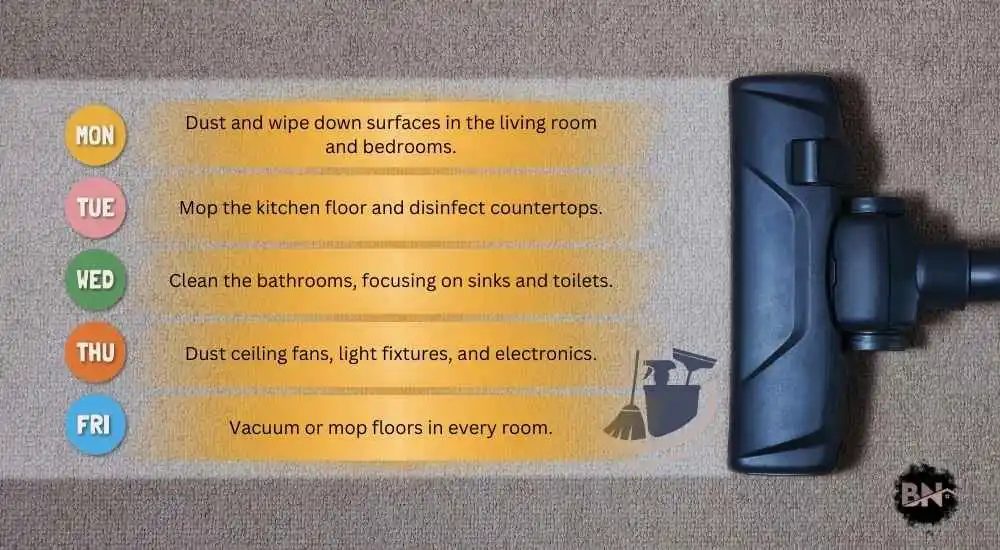
Here’s a routine you can easily keep up with:

  • Monday: Dust and wipe down surfaces in the living room and bedrooms.
  • Tuesday: Mop the kitchen floor and disinfect countertops.
  • Wednesday: Clean the bathrooms, focusing on sinks and toilets.
  • Thursday: Dust ceiling fans, light fixtures, and electronics.
  • Friday: Vacuum or mop floors in every room.

This routine helps keep your home looking fresh and welcoming all week long, making each deep cleaning session quicker and easier to manage. By taking just a few minutes each day to tackle specific tasks, you’ll prevent messes from piling up and stay on top of the usual dust, dirt, and clutter that naturally collect in a busy home.

With these steps, you’ve got a complete guide to deep cleaning without the overwhelm. By gathering the right tools, focusing on each room individually, and maintaining a simple weekly schedule, you’ll not only have a spotless home but also more time to enjoy it!

Conclusion

This checklist takes the guesswork out of deep cleaning, so you can feel proud of every room in your house—sparkling, organized, and ready for whatever life throws your way.

Before we dive into modern luxury living room ideas, let’s first clarify what it’s not. Luxe rooms aren’t:

  • Overly flashy, dripping with gold.
  • Have crystal chandeliers in every corner.
  • Doesn’t chase every passing design trend.

So, what is a luxury room and how to design it? There are tons of ways to make your room elegant on a budget, but here are some rules you should remember.

  • Furniture, fabrics, and finishes should feel rich and durable.
  • It should feel spacious, airy, and uncluttered.
  • Lighting should be well-thought-out and well-placed.

6 Magnificent Living Room Ideas without Breaking the Bank
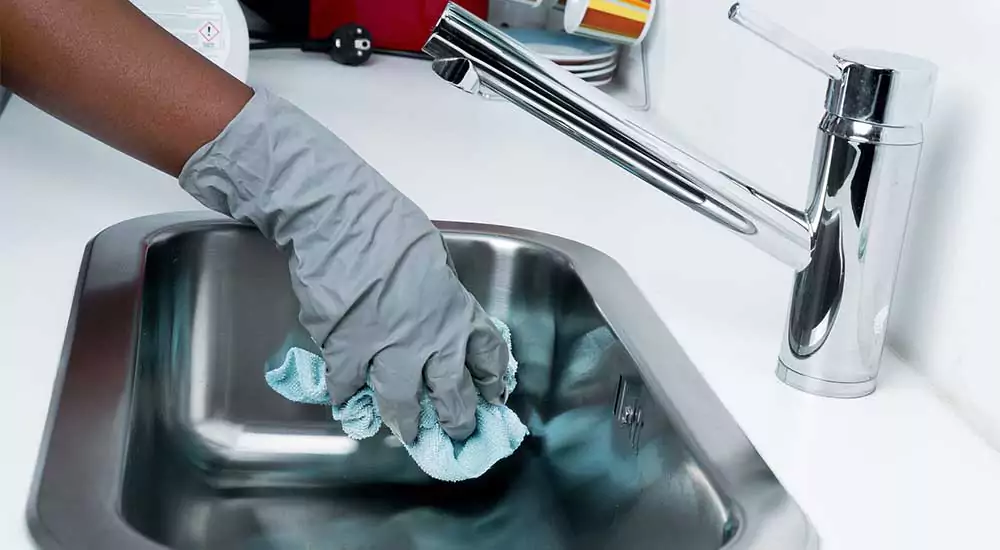
Let’s jump into some luxury room decor ideas that will transform your white walls into something straight out of a billionaire’s home.

1. Multi-Pendant Chandelier | Gold Trim on the Ceiling

Multi-Pendant Chandelier

What do you think of when you hear the words luxurious or expensive? [Jewels and gold, most probably].

Just by integrating these colors as accents in your living room can instantly add a unique charm to it. Combine it by hanging a multi-tier chandelier to create depth and visual interest.

Budget-Friendly Tip: Look for sales and discounts at lighting stores, online retailers, and even home improvement stores. You will find many affordable and fancy decoration.

2. Statement Rugs | Sheer Floor to Ceiling Curtains

Statement Rugs + Sheer Floor-To-Ceiling Curtains

Luxury living room decor isn’t just about colors. It’s the combination of textures and materials you use to make your home look expensive. For instance, sheer curtains and large rugs are the perfect add-ons. They create a sense of grandeur and spaciousness. The luxury residential design expert Peter Marino loves to include modern rugs in his projects. Natural light is also the key element in his designs.

If you have smooth marble floors in a white living room, this combination will look Pinterest-perfect.

Budget-Friendly Tip: Buy extra-long sheer curtains and hang them higher and wider than your windows to fake a tall, grand space.

3. Natural Stone Veneer | Open Shelving Unit

Natural Stone Veneer + Open Shelving Unit

Warm color tones with a natural touch of stone theme wall look luxurious in their own way. Nothing can beat its aura and rawness. Open shelving units, exposed beams, wall paneling, and natural-fabric sofas are the best combination you must try if you’re looking for small luxury living room ideas. These elements are also central to upscale farmhouse living room concepts, as they create an open, airy feel while still keeping the space cozy and upscale.

Budget-Friendly Tip: Paint one accent wall instead of the whole room. It gives the luxury effect without high costs. Style your shelves with thrifted decor items.

4. Indoor Planting Area | Low-Profile Furniture

Indoor Planting Area | Low-Profile Furniture

Luxury living room ideas are incomplete without greenery. If the space allows, you can integrate small water features like a pond or fountains, adding another sensory dimension to the indoor environment. The sound of water can be very calming.

Budget-Friendly Tip: Use potted plants like snake plants, pathos, or peace lilies. They’re cheap, need little care, and look luxurious.

5. Tall, Slender Mirrors | Light Colored Flooring

Tall, Slender Mirrors | Light Colored Flooring

The pairing of a colored floor and a tall mirror draws the eyes upward, and it gives a grand look to your living room. They also reflect natural and artificial light, doubling the brightness and creating that airy, expensive vibe. opt for pale wood, marble, or neutral tiles for an open, clean, and high-end look. Make sure to clean the living room so that dust doesn’t kill the vibe of the luxury room.

Budget-Friendly Tip: You can find wood-look, marble-look, or neutral peel-and-stick tiles online or at stores. If redoing the floor isn’t an option, throw a big neutral or marble-pattern rug over it.

6. Neutral Palette With Warm Wood Tones | Large-Scale Art Piece

Neutral Palette With Warm Wood Tones

Large wall murals and grand paintings bring an immediate sense of drama and sophistication to any room. Moreover, when you include warm colored, perfectly polished furniture, it brings in an organic, earthy luxury that softens the space and adds depth.

Budget-Friendly Tip: Buy peel-and-stick murals online (Amazon, Etsy, etc.) that are much cheaper than hiring an artist. Search second-hand stores or Facebook Marketplace for big paintings or framed art. You’ll be surprised how much “grand” art people give away for cheap.

Finally, How to Make a High-End Living Area?

Here are the top 3 things you must do to make your room look rich:

  • Use neutral color palettes with rich textures and add metallic accents.
  • Incorporate layered lighting (chandeliers, floor lamps) and invest in a few high-quality, statement furniture pieces.
  • Declutter space, add oversized art/mirrors, and style with curated decor.

Wood walls bring the aesthetic of the outside nature into your house with a modern touch. However, as time passes, you’ll notice dust accumulation on the surfaces. Or if your kids are always hyper, they might accidentally spill something on the walls or, even worse, use them as a canvas for their crayon art. You want to prolong the lifespan of the wood walls (doesn’t matter whether these are half wood or full), so you shouldn’t leave them any time you’re deep cleaning your home.

Tips to Clean your Wooden Walls

Most homeowners wait until their walls are filled with dust before they have an intensive cleaning session. Save yourself the hassle by regularly maintaining your wood walls instead. You can opt for weekly or biweekly dusting of the wood panels using a dry cloth or feather duster. By sticking to this routine, you’ll keep your walls consistently spotless, and when it’s time for a deep cleaning session, the process will be far less stressful.

Additionally, if you are sensitive to conditions like sinus problems, be sure to wear a face mask to prevent dust from affecting you during cleaning. This guide will give you critical insights on how to clean wood panel walls. Let’s start with the basics.

Use Basic Cleaning Solutions For Wood Walls

Want to avoid chemical footprints on your walls? Simple household items can do the trick. Not only is this a more eco-friendly approach, but it’s also budget-friendly, keeping your wooden walls looking clean without taking a big chunk out of your house cleaning budget. The approach involves using household items like water and vinegar. Mix accurate amounts of each liquid in a spray bottle. Spray the solution onto your wooden walls and wipe with a clean, dry cloth. You can also use lemon juice and olive oil. Mix them in equal measures and follow the same procedure as instructed above.

Both methods are simple yet offer long-lasting results. A solution of water and vinegar effectively removes grime without bringing harmful chemicals into your home. On the other hand, lemon juice and olive oil create a natural blend that not only cleans but also conditions the wood, leaving it refreshed and well-maintained.

Don’t Over-Wet Your Wood Panels

When using water to remove stains from wood walls, there are a few things to keep in mind.

  • Better Dirt Removal: Warm water is better at removing wood specks of dirt like grease and grime. Plus, it removes residues quicker so you don’t need to scrub the wooden panels harder which might damage the wood.
  • Faster Drying: Warm water evaporates faster than cold water, minimizing the exposure time of the wood to moisture. This reduces the risk of the wood absorbing excess water, which could otherwise lead to swelling.
  • Gentle on Wood Finish: Cold water causes thermal shock or contraction on wood. Warm water doesn’t have these effects on the wood hence avoiding damage.

Another thing to note is over wetting the wood panels. The effect will be the same even if you’re using warm water for the cleaning. While water is a good cleaning resource, use it sparingly. Excessive usage easily damages wood. Instead of soaking the cloth, dampen it and squeeze it to remove excess water before wiping the wood walls.

Tackling Tough Stains On Wooden Walls

Cleaning wooden walls is simple when you’re only removing dust that has accumulated over time. But if you’re asking how to clean nooks and crannies or you’re dealing with tough stains like marker/ink stains, grease, oil, or crayon marks, you have to try tougher methods.

Here are some tips for removing stains from walls, especially if you want to clean white-colored wood walls.

  • Marker or Ink Stains: Cleaning ink stains is a bit complex. Start by applying rubbing alcohol on a soft cloth. Rub the spot gently to avoid spreading the ink wide. Once done, wipe the area with a clean, damp cloth and finally dry the spot.
  • Grease and Oil: The trick is to clean it as soon as possible before it dries. Sprinkle baking soda on the stain while it’s still wet which will absorb the grease. Next, wipe the spot using a clean damp cloth thoroughly until all the stains disappear.
  • Crayon Marks: If you have creative kids at home, crayon marks on the walls are a common issue. But don’t worry, the fix is simple: use a hair dryer. Set it to low heat to prevent any burn marks on the wood, and aim it directly at the crayon stains. The heat will soften the wax, making it easy to wipe away with a paper towel.

Conclusion

The durability of your wooden walls depends on how regularly you clean them. You don’t have to keep it complicated. Use the tips we’ve shared with you to keep that natural touch of your house intact.

Textured walls look gorgeous there’s no denying that. The downside? They pick up dust, grime, and mystery stains faster than any smooth wall ever could. And if you’ve ever tried wiping them down with a regular sponge, you probably figured out that it doesn’t really work. The good news is that cleaning textured walls isn’t as complicated as it seems. Whether you have a knockdown, popcorn, or stipple finish, here are five easy and paint-safe methods that actually work (no harsh chemicals or fancy tools required).

Let’s dive in and get those walls looking fresh again!

5 Effective and Safe Ways to Clean Popcorn Wall

1. Dust-Off Like a Pro (Microfiber Vibes)

Remove Stains Like a Pro

Before you even think about breaking out the cleaning supplies you use for deep cleaning, hit your walls with a dust-off session. Grab a microfiber cloth or an extendable duster, or hit it with your vacuum’s brush attachment (soft brush) for max efficiency and get to work!

The Move:

  • Work in an up-and-down motion to catch the sneaky dirt hiding in the crevices.
  • Focus on those corners and edges – they’re like the dust VIP section.

This method is ideal for heavily textured walls, such as popcorn ceilings or walls with deep indentations. Make sure the suction is set to low or medium setting to avoid any potential damage.

2. Give It a Soapy Sponge Glow-Up

Give It a Soapy Sponge Glow-Up

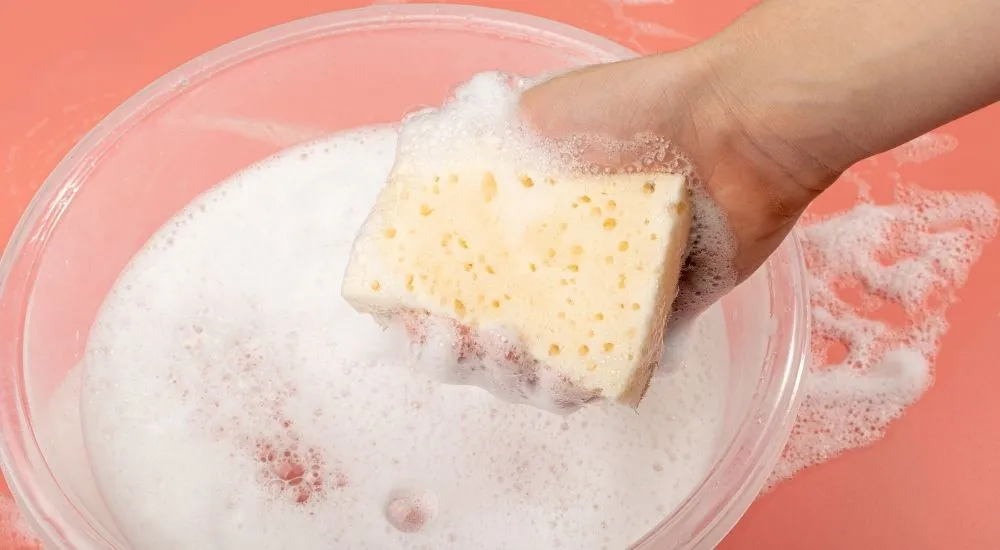
Time to give your walls a little TLC. Little spa treatment! A simple mix of warm water and a few drops of mild dish soap can work magic on textured walls without ruining your paint.

How to Slay It:

  • Mix that warm water and soap. Keep it light, bestie.
  • Dip a soft sponge in, and wring it out (no drips allowed).
  • Gently wipe the walls in small circles—no need to go beast mode.

For best results, avoid using harsh chemicals, as they can strip away the paint and cause discoloration. This method works especially well for areas that see frequent use, such as living rooms and hallways.

Pro Tip: It’s always better to test in a hidden spot first. Use gentle, circular motions to avoid pushing water deep into the texture. We’re not here for surprises.

3. Baking Soda: The Real MVP for Stains,

Baking Soda: The Real MVP for Stains

Textured walls love stains. They are notorious for hiding stains. But don’t stress—baking soda is basically the GOAT. It’s cheap, natural, and tough on gunk without messing up your paint. Stubborn stains, whether on textured walls or others, can be tricky.

The Game Plan:

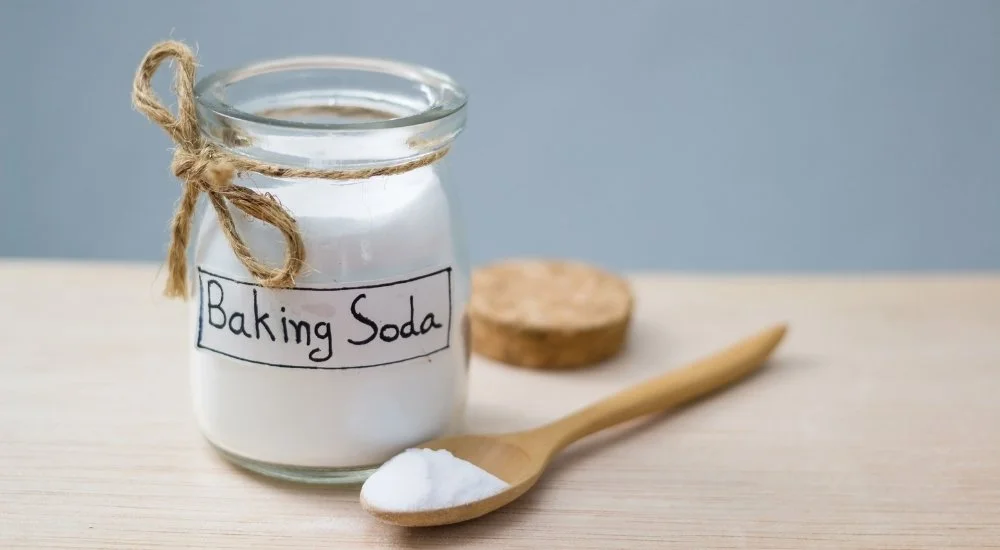
  1. Mix baking soda and water to create a thick paste (think toothpaste vibes).
  2. Slather it onto the stain with a cloth or sponge.
  3. Let it sit for like 5-10 minutes—this is its time to shine.
  4. Wipe it with a damp cloth. Stain? Gone. Boom!

4. Magic Erasers = Your Wall’s Bestie

Magic Erasers = Your Wall’s Bestie

No cap, magic erasers are basically sorcery. Whoever invented magic erasers deserves an award. These magic erasers work well in eliminating common stains such as fingerprints, crayon marks. or scuff marks. They’re PERFECT for textured walls covered in scuffs, grime, or those random mystery marks you can’t explain.

Here’s the Deal:

  • Squeeze out any excess water after wetting the magic eraser.
  • Gently scrub the textured area. Go easy—you’re cleaning, not lifting weights. You really don’t need to Hulk-smash it.

Pro Tip: Don’t overdo it or scrub way too hard. Paint isn’t invincible, okay?

5. Vinegar Spray = Low-Key Genius

clean textured ceilings

Vinegar isn’t just for salad dressings, Chinese cuisine, or TikTok cleaning hacks—it’s the real deal because it cuts through grease and grime without wrecking your paint job. It works wonders and is also eco-friendly!

How to Use It:

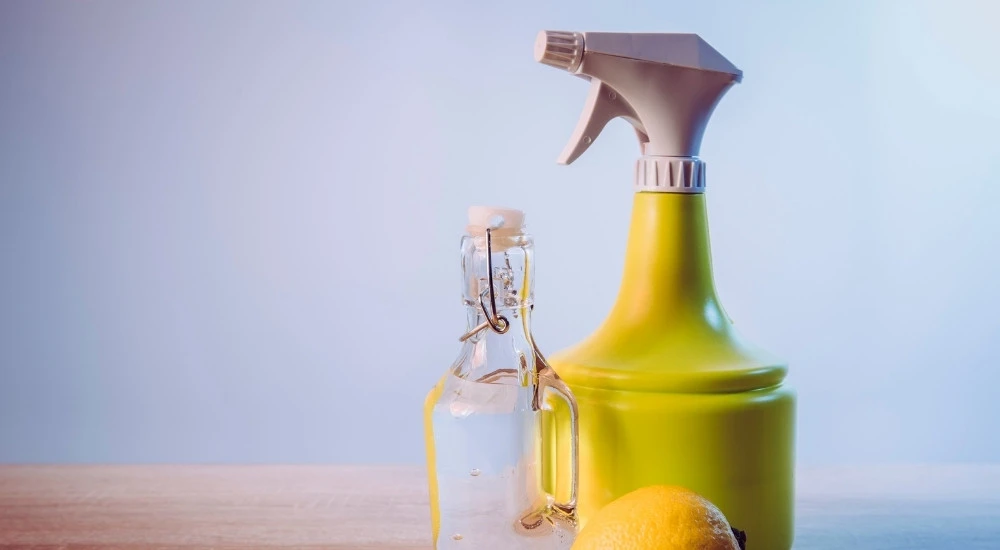
  • In a spray bottle, combine equal parts warm water and white vinegar.
  • Lightly spritz the wall—keyword: lightly. Don’t soak it.
  • Use a sponge or gentle cloth to clean it. Done and dusted.

Common Mistakes to Avoid When Cleaning Textured Walls

  • Using too much water: Soaking the wall can cause paint to bubble or loosen the texture. Dampen, don’t drench.
  • Scrubbing with abrasive tools: Steel wool or rough sponges might remove the grime, but they can also remove the paint.
  • Skipping the dusting step: Going straight to wet cleaning pushes dust deeper into the textures and creates a muddy mess.
  • Not testing a small area first: Always patch-test your cleaner in a hidden spot to make sure it doesn’t discolor the paint.

How to Maintain Textured Walls?

Staying on top of cleaning makes it a breeze! Regular maintenance can keep textured walls looking pristine without heavy scrubbing. Use a reminder every few weeks to do a quick dust-off or clean small stains as soon as you notice them. The more consistent you are, the easier it is to maintain that fresh, clean look.

Comparing Textured Walls, White walls and Wooden walls

Textured walls? Dust magnets that need gentle love. White walls? Total drama queens—show every stain but clean up easy. Wooden walls? Low-key chill but needs wood-safe TLC and a little polish to keep shining. Each wall’s got its vibe, but with the right care, they’ll all stay looking fab! Plus, while you’re freshening up your walls, you can start dreaming about cool home upgrades like these board and batten wall ideas. Fresh walls + new designs = chef’s kiss.

Final Thoughts

Textured walls might be a bit more high-maintenance than other walls, as they’re well worth it when they’re clean and gorgeous. Here are a few simple hacks to clean those walls fresh and get them looking nice again using soapy water to magic erasers without driving yourself nuts (or using all of your paint). Get ready to tackle that grime? Grab your gear and go get ‘me clean.

Happy Cleaning!

A bathroom with unpleasant odours not only feels disgusting but also causes serious health issues. There are tons of tricks to make your bathroom smell good for the entire day, but you need something that is practical, affordable, and effective.

After testing tons of tips to keep my home fresh and clean, I’ve put together a simple list of bathroom hacks that’ll make your space smell just like a spa.

Hacks to Make Your Bathroom Smell Good Using Simple Items

It all starts with deep cleaning a bathroom. Then comes the scents and luxurious upgrades. Let’s look at it in detail.

1. Quick Fixes for Immediate Freshness

Here are the quick hacks to make the toilet smell good:

  • Essential Oils: Just dab a few drops of spearmint or your favorite essential oil on a cotton ball and toss it in the trash can or behind the toilet. Instant freshness!
  • Soap/Shampoo: Squeeze a little liquid soap or even some shampoo into the toilet while it flushes.
  • Bamboo Charcoal: You can grab a small bag of activated bamboo charcoal and leave it somewhere out of sight (like under the sink).
  • Baking Soda Solution: Baking soda is an old-school reliable. Use it in a corner or sprinkle a bit in the trash can. It starts absorbing odors right away.

2. Deep Cleaning the Bathroom

Target the source of the odour. It can be the sink, trash can, toilet, stained walls, etc.

The following are the practical hacks:

  • Actinobacterial Cleaner: Spray the actinobacterial cleaner generously on the surface of the sink and bathtub. Scrub with a non-abrasive brush or sponge.
  • Enzymatic Cleaner: Use an enzymatic cleaner under the rim and inside the bowl of the toilet. Scrub with a toilet brush and flush.
  • Clean the Taps and Pipes: Faucets might have fungus deposited on them. Wrap them with a cloth soaked in actinobacterial cleaner, wait 20 mins, then wipe with a microfiber cloth.
  • Clean the Floors: Wipe the floors and focus on hard-to-reach corners where mold thrives.
  • Commercial Sprays: If you have textured walls in the bathroom, use commercial sprays, soap mixture, or probiotic cleaner.

Also Read: How to Deep Clean Your Bathroom Sink

3. Ventilation and Air Circulation

Bathrooms are damp and remain closed. You need to get dehumidifiers or exhaust fans to make the space fresh.

Here are some alternative options as well:

  • Leave the door open for half an hour at least after taking a shower.
  • Take the trash out daily to avoid developing odour.
  • Never leave the moist, dirty pile of clothes in the bathroom.

Lastly, the obvious one: Open the windows for free airflow in the bathroom.

4. Scent Enhancers

Your bathroom’s clean and well-ventilated—but that spa vibe? It needs a little extra. Even after scrubbing, subtle odors can linger, so adding gentle scents helps fill the gap and keeps things feeling fresh and luxe.

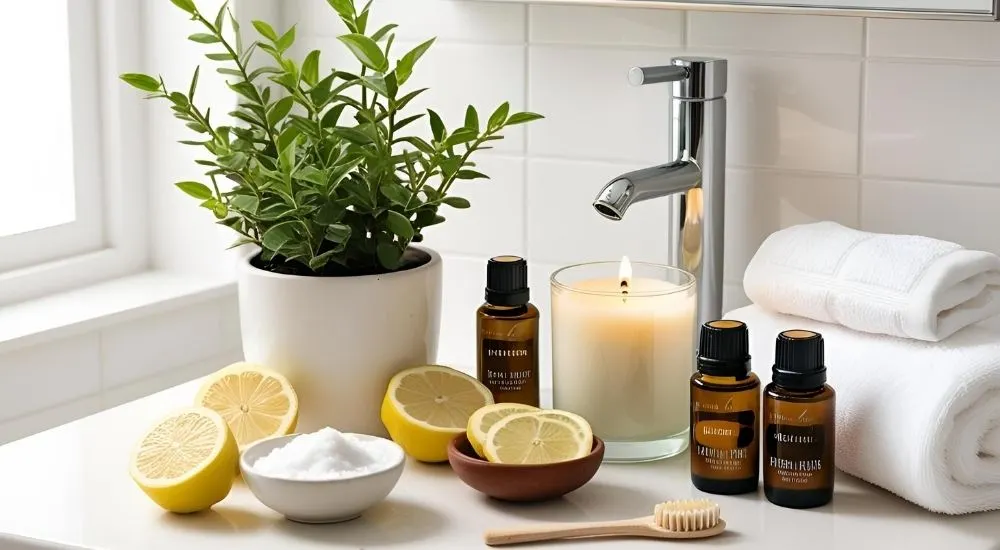
  • Use odor-neutralizing agents like activated charcoal, baking soda, or essential oils (tea tree, lemongrass, etc.).
  • Place scent enhancers near drains, trash cans, or damp corners.
  • Use scented cleaners (citrus-based sprays) to leave behind a fresh smell after scrubbing surfaces.
  • Scented candles, wax melts, or plug-in diffusers are also a great option.

5. Luxurious Upgrades for a Spa-Like Experience

After completing all the steps, your bathroom needs just the last touch-ups for a hotel-like appearance.

Interior designer Emily Henderson, author of the NY Times bestseller STYLED, once renovated a bathroom by placing mirrors right on the windows. It might sound a little unusual, but it was a smart space-saving trick—combining the vanity, natural light, and mirrors all in one. It made the bathroom dreamy and aesthetic.

If you don’t have that much of a budget, the following are some affordable options to elevate your bathroom look:

  • Invest in Turkish cotton or bamboo towels. Roll them neatly on shelves or in baskets for a hotel vibe.
  • Swap basic mats for a memory foam bath mat.
  • Use flameless LED candles or inexpensive soy candles in calming scents.
  • Add a few drops of eucalyptus, chamomile, or jasmine oil to a diffuser for aromatherapy.
  • Use woven baskets for rolled towels and glass jars for cotton balls or bath salts.

Finally, How to Make a Toilet Smell Good Naturally?

Keep your toilet fresh naturally by sprinkling baking soda in the bowl weekly and adding white vinegar once a month. Place lemon oil-soaked cotton balls or activated charcoal nearby to absorb smells. For a quick refresh, spray a mix of water, vinegar, and tea tree oil around the seat.

Let’s face it—your patio should be your happy place—sun-drenched mornings with coffee, breezy afternoons with books, or cozy nights lit by fairy lights. But nothing kills the vibe faster than dusty, stained, or weathered furniture. If you’re wondering how to clean outdoor wood furniture without wrecking its charm (or the planet), you’ve landed in the right place.

We’re breaking down five super-effective and natural methods to clean and revive your wood furniture—plus bonus tips for cushions, mesh, and even metal tables. It’s time to refresh your outdoor setup without going full Pinterest-overwhelm mode.

5 DIY Ways to Preserve Wooden Patio Furniture Without Replacing

1. The All-Natural Vinegar Magic Mix

If you want to use eco-friendly solutions, white vinegar is what you need. It’s antibacterial, cuts through mildew and grime, and it’s safe for wood when diluted correctly.

What You’ll Need:

  • 1 cup white vinegar
  • 1 cup warm water
  • Optional: A few drops of mild dish soap for extra grease-fighting ability
  • Spray bottle
  • Soft-bristle brush or microfiber cloth

How to Use: Shake your solution in a spray bottle and spray freely onto your wooden furniture. You should carefully spray the areas with visible dirt or buildup. Allow the solution to dry for 5–10 minutes to loosen the grime. After that, softly scrub with a soft-bristled brush (like a recirculated nail brush or old toothbrush) in the wood direction. Wipe with a fresh, wet cloth and let the piece air dry in a shaded area—direct sun can make it crackly.

Pro Tip: Include a few drops of essential oil such as lemon, eucalyptus, or lavender for a pleasant smell and extra antibacterial strength. And, it low-key repels bugs.

This is the ultimate solution if you’re all about how to sanitize outdoor wood furniture naturally and keep harsh chemicals far, far away.

2. Clean Stubborn Stains the Smart Way

Not every spill is the same. Coffee, wine, bird droppings, or mystery dirt may leave behind stains that refuse to move with a simple clean. Don’t worry—we’ve found a DIY cleaner that’s not harsh but tough.

DIY Baking Soda Paste:

  • 1 tbsp baking soda
  • Water splashes to form a paste
  • Optional: Include a dash of hydrogen peroxide for added stain-fighting power
  • Soft brush or sponge

How to Use: Rub the paste directly onto the stain and work in a circular motion gently with your brush. Allow to sit for 10–15 minutes while the baking soda does its thing. After that, just wipe it with a damp cloth and rinse with warm water.

This trick is perfect for natural stains (food or drink) and slight color shifts caused by water or pollen.

Style Refresh Tip: Once the stain disappears, attempt to cover the area with a bohemian-printed table runner or a wooden centerpiece to conceal the damage and update your patio’s look.

3. Revive Weathered Wood Without Sanding

When your wood furniture has begun to look more like driftwood than designer, it’s time for a refresh. Greying, bleaching, and rough texture are the natural result of exposure to sun and rain, but you need not sand it down to the bare wood every time to get it to look new.

What You’ll Need:

  • Oxygen bleach, i.e, OxiClean or the eco-friendly alternative one
  • Warm water
  • Scrub brush (soft-to-medium bristle)
  • Hose with spray nozzle
  • Teak oil or linseed oil for sealing (optional but highly recommended)

Usage: Mix oxygen bleach with warm water. Spray solution on with a brush, scrubbing in the direction of the grain, particularly on crevices or slats. Allow it to remain for 10–20 minutes (do not allow it to dry on the surface), then hose off.

Allow the furniture to dry completely—ideally overnight—before oiling using a soft cloth. This replaces the natural oils weathered away and guards against future cracking or fading.

Bonus Aesthetic Boost: Teak oil pulls out deep honey tones in wood, and linseed oil yields a warm amber sheen. Choose according to your vibe.

4. Don’t Forget the Cushions and Canvas

Outdoor cushions get exposed to sun, sweat, rain, and pollen—so they deserve a proper clean too.

Natural Fabric Cleaner:

  • 2 cups warm water
  • 1 tsp Castile soap or dish soap (extremely mild)
  • 1 tsp Borax
  • Spray bottle or bucket
  • Soft sponge or towel
  • Vacuum or handheld brush (optional first step)

How to Use: Begin by vacuuming or brushing loose pollen and dirt from the material. Spray or mist and gently scrub onto the material. Don’t forget to receive the special extra attention at seams and corners—gunk’s a hide-at-tough-to-get spots guy.

Let it sit for 5-10 minutes and rinse well, then press out excess water without wringing out the material. Hang flat in a shaded, well-ventilated room to dry.

Consider refreshing with a fabric-safe essential oil spray between washes.

If the above isn’t to your liking, try an easy-to-use solution of an on-hand outdoor furniture cleaner for cushions, but select one that is non-toxic and suitable for your fabric selection.

5. Mesh and Metal Deserve Attention Too

Your patio isn’t just wood. If you’ve got mesh chairs or a metal side table, here’s how to keep them just as fresh.

For Mesh Furniture:

  • A mixture of dishwashing soap in warm water
  • Scrub slowly with a sponge or a cloth
  • Use a toothbrush for the edges
  • Towel dry and rinse

Mesh is usually made of plastic or vinyl-coated fabric, so be gentle to avoid tearing. For tougher buildup, add a dash of vinegar to the mix.

For Metal Tables:

  • Equal parts water and vinegar
  • For shine & rust, use lemon juice or baking soda
  • Scrubbing pad or cloth

Scrub lightly with a cloth, spot the rusty spots with baking soda if needed. Then, wash and dry so that there is no watermark left.

Style Tip: Finish cleaning with a top of a table runner or placemats of a tonal color for that inviting outdoor brunch look.

Seasonal Cleaning Cheat Sheet

  • Spring: Time to do the deep clean. Use the method no. 3 in this season. Clean every cushion.
  • Summer: Every 2 weeks, spot clean with vinegar spray. Have covers available for impromptu pop-up rain showers.
  • Fall: Leaves and twigs need to be removed daily. Spot clean spills immediately. Keep cushions in the house.
  • Winter: Tighten covers on furniture or move furniture inside. Always dry the covers before storing them to avoid mold.

Cozy Patio Refresh Ideas
You’ve cleaned, now it’s time to style.

  • Pillows and Throws: Add layered cushions in earthy tones like moss green, terracotta, or oatmeal beige.
  • Lighting: Hang warm string lights or lanterns to create a soft evening glow.
  • Plants: Use terracotta pots or woven planters to soften hard edges and add life.
  • Centerpieces: Style your freshly cleaned wood table with a woven tray, candles, and a small bouquet.
  • Fresh Floors: Clean furniture hits differently when the patio itself is glowing. Make your pavers sparkle.

Final Thoughts

And now that you have learned to clean outdoor wood furniture —and naturally keep it fresh—you’re now officially the patio queen (or king). Whatever the event – a seasonal deep clean or a quick touch-up for a backyard party – these tips bring eco-friendly and eye-candy into play.

Bookmark this guide and share it with your patio pal friends. Your outdoor paradise has to shine throughout the year.

Remember the last time you were cleaning your refrigerator, shower doors with soap scum, or light fixtures? One thing is for sure – it wasn’t fun.

You’re not alone. One in three people in America overlook these hard-to-reach areas, like the corners and crevices of skirting boards.

Cleaning these spots is tough; dust and grime get trapped deep in tight spaces, clinging to uneven surfaces and edges that typical cleaning tools struggle to reach.

However, with the right know-how, deep cleaning doesn’t have to be challenging. We’ve gathered insights from trusted sources to bring you practical tips for tackling those tricky nooks and crannies during your deep cleaning routine.

Regular maintenance is the key to preserving your property, whether you’re living in a large estate or managing the investment of building a compact home from the ground up.

Tools and Methods for Cleaning Nooks and Crannies

There’s an old saying that:

Fishermen get so accustomed to the sea that they barely notice the scent of salt and fish anymore.

This is similar to your home when it comes to cleaning—whether it’s your precious wooden walls, bedroom, or kitchen appliances or book reading corners, many people focus only on visible surfaces, often overlook hidden empty nooks where dust and grime tend to accumulate.

Once cleared of dust, these spots offer great potential for functional kitchen nook designs that turn overlooked corners into high-value living spaces.

For instance, if you have striking black and white bedroom walls, you might notice dust settling more visibly on the contrasting surfaces, making it essential to pay attention to those hidden corners. However, You would need specialized tools and methods to clean these areas. We cover this in the next section.

1. Plastic Putty knife for Bathroom Soap Scum

nooks and crannies of bathroom sink

This is a straightforward hack if you’re gearing up for a bathroom deep clean. Soap scum often builds up on bathroom surfaces and bathtubs, making it challenging to remove. Most people try scrubbing it away, but this method usually doesn’t work effectively.

I will prefer you to use a plastic putty knife to scrape off the soap scum, ensuring the surfaces are dehydrated before you start for the best results.

For this process, consider using synthetic soaps, which are typically available as liquid or gel soaps. Unlike traditional bar soaps, synthetic options are designed to leave minimal residue, reducing the buildup of tough soap scum on bathroom surfaces.

These soaps are often pH-balanced and gentler on surfaces and skin, making them ideal for keeping your bathroom cleaner longer.

2. Use a Crevice Vacuum for the Hard-to-reach Areas
vacuum cleaner for deep cleaning

This tool is a must-try if you’re serious about achieving a spotless home. The crevice tool is designed to reach tight spaces where a regular vacuum is too bulky to fit.

This tool is invaluable for tackling tricky areas during a deep clean, such as fan blades, air vents, pantry crumbs, between couch cushions, and even the narrow gaps in a small office nook where dust tends to settle behind the desk and cables, as well as those hard-to-reach spots beneath appliances like the refrigerator or oven.
Don’t have a crevice tool for your vacuum? No problem! I got you covered. You can make a DIY version using a paper towel roll, let me demonstrate to you how. Simply attach an empty paper towel tube to the end of your vacuum hose and pinch the tip to reach those tight spaces effectively.

You can then tie it using a rubber band. It won’t be as effective as the former, but it still cleans those trick areas that are hard to reach.

3. Drill Brush for Kitchen Sinks

kitchen sink deep cleaning


If you’re asking how to deep clean your kitchen, this hack works well for kitchen sinks.

The kitchen sink is generally clean, but if you want it genuinely spotless, including the sink drain, I would suggest you use a handy tool—your everyday drill. Follow these steps to make it “cleaning-ready” without risking damage to the sink.

Start by inserting a machine screw into the brush head, ensuring that the screw head fits securely in the brush’s hole.

On the other side, slide a washer onto the screw and fasten it with a nut. Tighten the nut with a wrench, but be cautious not to over-tighten, as this could crack the brush’s plastic. Finally, attach the scrubber head to the drill, and you’re ready to tackle that sink! While you’re at it, don’t forget to wipe down the protective wall surfaces behind your basin, as they often harbor hidden grease and water spots.

Put some detergent or dish soap in warm water. Dip the drill brush into the solution so it can catch some foam. Start the drill and point it on your sink, including the sinkhole.

4. Cleaning Walls with Floor Swiffer

cleaning walls with swiffer

Cleaning walls will be a routine if you have kids around. If it’s not crayon markers, it’s oil stains or soot stains. Removing these stains may require unique cleaning approaches.

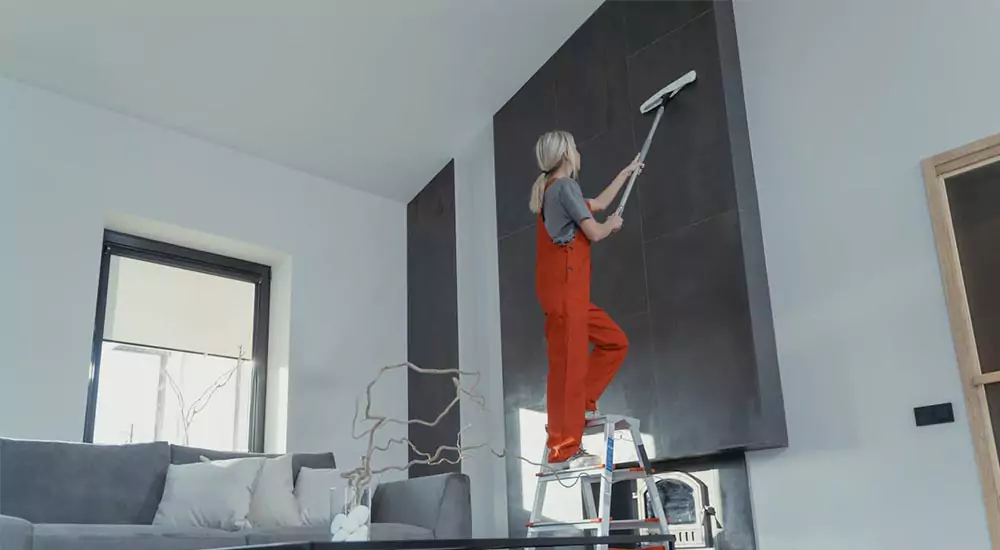
But if it’s superficial stains like cobwebs, personally, a floor Swiffer is better. It’s simple: Attach a dry cloth over the rectangular end of the Swiffer, secure it in place, and glide it along the wall to clean it.

The Swiffer’s extension handle allows you to reach high surfaces quickly and safely, eliminating the need for a step stool or ladder. Throw the disposable cloth once you’re finished dusting.

As said earlier, this approach is specifically for cleaning cobwebs and soot. Try using baking soda or an all-purpose cleaner for tough stains on white walls.

5. Garden Gloves for Ornaments and Trinkets

garden gloves to clean nook and crannies of home

You can use a garden glove if you have knickknacks or small dusty ornaments you can’t clean with a household rag.

Many of these areas are small, making reaching into the nooks and crannies challenging. A helpful trick is to use a cotton garden glove. Slip it on, and then use your fingers to dust those tight, hard-to-reach spots quickly.

Dampen a cotton glove with a small antibacterial solution for an effective clean. This added touch will help ensure thorough sanitization.

6. Microfiber Duster for Appliances

microfiber duster for cleaning nooks and crannies

Home appliances gather a lot of dirt, especially behind washers, refrigerators, and dryers.

For a deep clean, a long-handled microfiber duster is excellent for reaching tricky spots on appliances. However, move appliances away from the wall to thoroughly clean behind and around them for the best results.

Clear out any dust bunnies hiding behind them, and wipe down surfaces with warm, soapy water to leave everything fresh and spotless.

Conclusion:

Cleaning nooks and crannies may not be the most enjoyable part of deep cleaning your home, but it doesn’t have to be exhausting with the suitable methods and tools. This article has provided helpful insights to make the process easier for you.

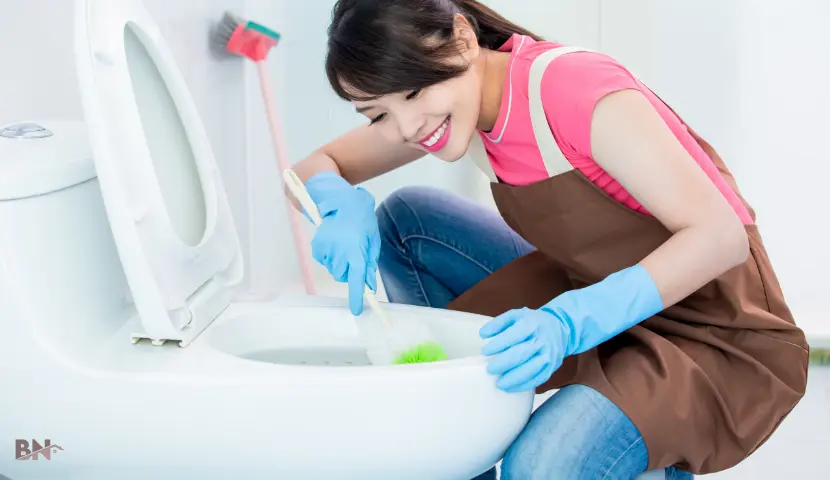
Each square inch of a toilet seat has over 1200 germs on it, but do you know stains and buildup on toilet seats are the classic signs of excessive bacteria and germs on your toilet? While quick cleanings might make your toilet look tidy, they often leave behind hidden bacteria. That’s why we’ve gathered practical toilet cleaning hacks to remove stains and eliminate germs, giving you a fresh and clean toilet.

Identifying What Spoils Your Toilet

The bathroom is a tricky and challenging place to clean. The whole thing can become even more difficult when you have to clean the white walls in your toilet. But what really spoils your toilet and bathroom so much and so quickly?

  • Brown or Rusty-Colored Stains: The iron content present in the water forms iron oxide by coming into contact with the air, which leaves a brown or rusty-colored residue on the toilet seat.
  • Black Stains: Mold and mildew thrive in moist environments and are the ones to blame for the black stains on your toilet surface. Apart from mold and mildew, minerals like manganese, if sitting for too long in the toilet bowl, can also cause black stains.
  • Limescale Deposits: If the water you use in the toilet has too much calcium carbonate in it, it can cause hard and crusty deposits on your toilet in areas that are constantly in contact with water. These deposits can get thicker over time and can be very challenging to clean as they stick to the surface very strongly.
  • Old Corroded Plumbing: The old metal plumbing inside your house can corrode over time lead to residues on the toilet seat and cause black stains. It happens due to the mineral and organic matter present in the water.
  • Hard Water Stains: If you use hard water in the bathroom, then there is a good chance that minerals like calcium, magnesium, calcium chloride, magnesium carbonate, etc. may deposit residues on the toilet, which may appear chalky gray or white. These hard water stains are most noticeable at the upper rim of the bowl and at the areas under the water line.

Cleaning Your Toilet Like A Pro

Cleaning Your Toilet Like A Pro

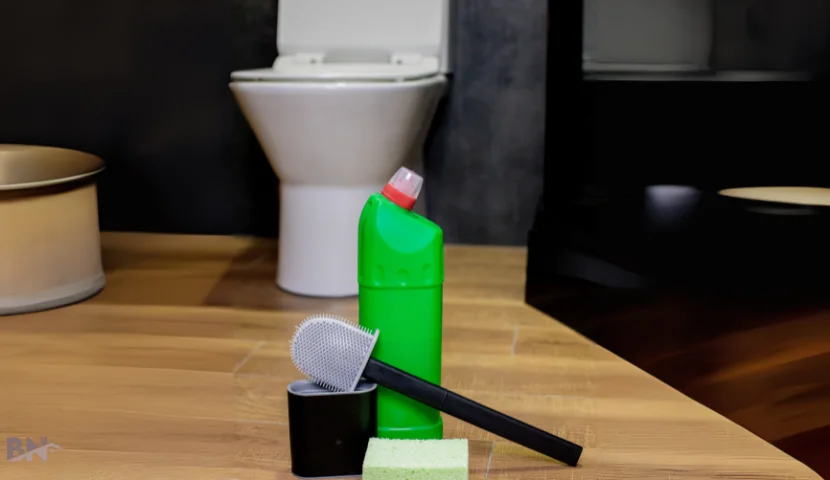
Mineral deposits and organic matter present in the stains will form a food and breeding ground for the bacteria and germs. Thus, proper cleaning of your toilet becomes quite vital. To make sure that you don’t leave behind any stains or bacteria after cleaning, you must have the following essential cleaning supplies with you.

  • Regular Toilet Brush
  • Scrubbing Brush
  • Stiffer Bristles
  • Vinegar
  • Baking Soda
  • Borax
  • Hydrogen Peroxide

Once you’ve gathered your supplies, you can pick one of the following hacks to get rid of those stubborn stains on your toilet.

Vinegar And Baking Soda

Vinegar and baking soda are cleaning superheroes. They can clean different kinds of surfaces and stains. To clean the toilet seat and lid using vinegar and baking soda, pour two cups of vinegar directly on the stains, scrub it a little, and leave it for an hour. After an hour, sprinkle a cup of baking soda on the stain, pour another cup of vinegar on the soda, leave it for 15 minutes, and then scrub the stain and flush the toilet.

White Vinegar

White vinegar a.k.a. distilled vinegar has a pH value of approx. 2.5, which makes it super acidic and perfectly capable of dissolving the mineral scales. Therefore, you can use white vinegar to clean around the toilet and bowl. Pour 2-3 cups of vinegar directly on the stains or apply a few thin layers of toilet paper soaked in vinegar on the stain. Let it sit for about 2-3 hours, then scrub the toilet and flush; you’ll have a super shiny, stain-free toilet. You can also use this method to clean the toilet tank and get rid of the scales inside.

Vinegar And Borax

When you mix ¼ cup of borax powder with one cup of vinegar and let it sit for about 15-20 minutes, you get a super toilet cleaner that can prevent any kind of stains from your toilet, including hard water mineral deposits. Sprinkle ¼ cup borax powder on stains and pour 1 cup vinegar on it. Leave the surface for about 20 minutes, and then scrub and flush to say goodbye to the dirty toilet. You can also make a paste by mixing borax powder with a few drops of vinegar and applying it to the stains to get rid of those toilet stains.

Baking Soda And Hydrogen Peroxide

The combination of baking soda and hydrogen peroxide act as a cleaning cum disinfecting agent. You can pour half a cup of hydrogen peroxide on toilet stains and sprinkle a cup of baking soda on it. Let the mixture sit for about 15 minutes, and then scrub and flush the toilet, and you’re done. You may bend over backward while cleaning your house from top to bottom, but if you ignore your toilet while doing so, you’re not doing it right. Luckily, the above mentioned toilet cleaning hacks will help you get done with the task without breaking a sweat and have a stain-free toilet.