
Do you dream of creating your own little home from the bottom up, but can’t match the outrageous costs on the present market? Certainly, constructing a small house is not an overnight job; the process may even transform pure enthusiasm and passion into aggravation and psychological weariness. But this is your domain, a free space for organizing and bringing into reality a fantastical universe. Dissecting real 2026 numbers, this article provides a clear, practical roadmap by helping one to budget, assess possibilities, and avoid excess spending.
Average house building expenses in 2026
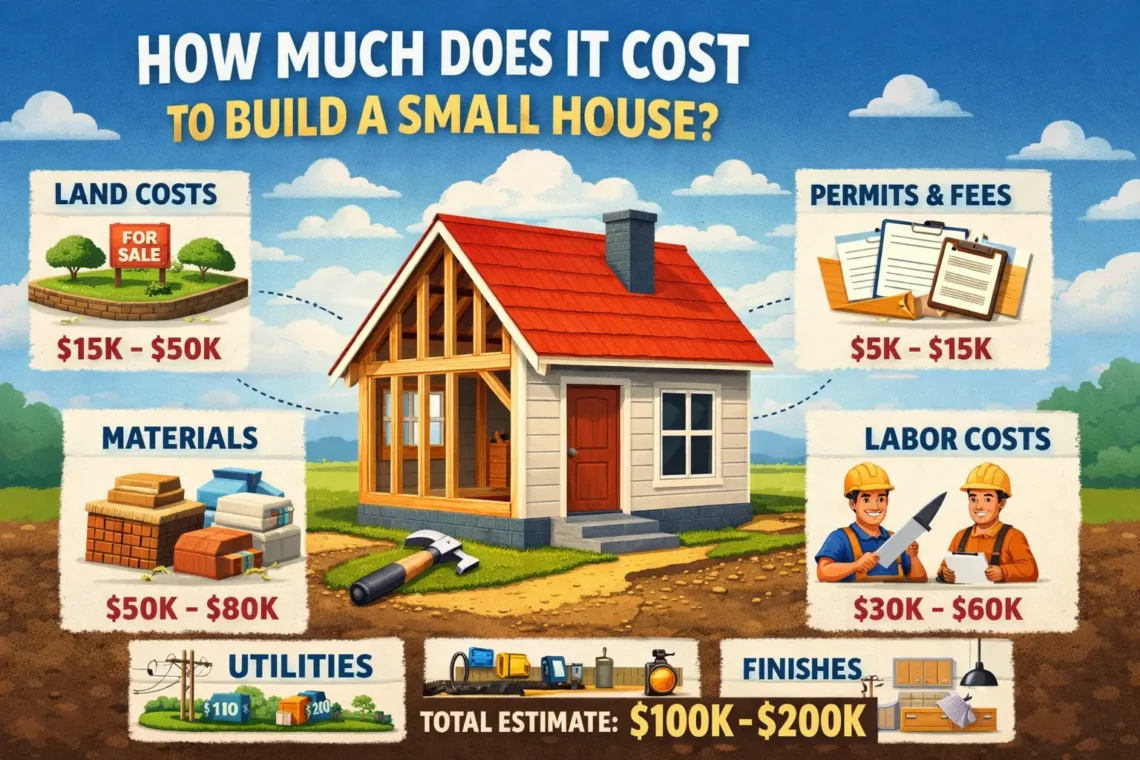
Excluding land, construction costs in the United States in 2026 vary from $138,937 to $531,294, with a national average of roughly $323K. Your final cost is much determined by whether you build in a cheaper rural area or a rich coastal city center. Materials saw a 4.2% rise in 2025 as tariffs strained them. Then there are hidden costs, which include surveys and landscaping, that can result in 10-25% more costs being realized.
Cost Depends on the Types of Small Houses
| House Types | Acres / Size | Estimated Cost |
| Traditional Small House | 800–1,500 sq ft | $150,000 – $450,000+ |
| Tiny House | Under 400 sq ft | $30,000 – $100,000 |
| ADU | 200–1,000+ sq ft | $40,000 – $300,000+ |
Traditional Small House
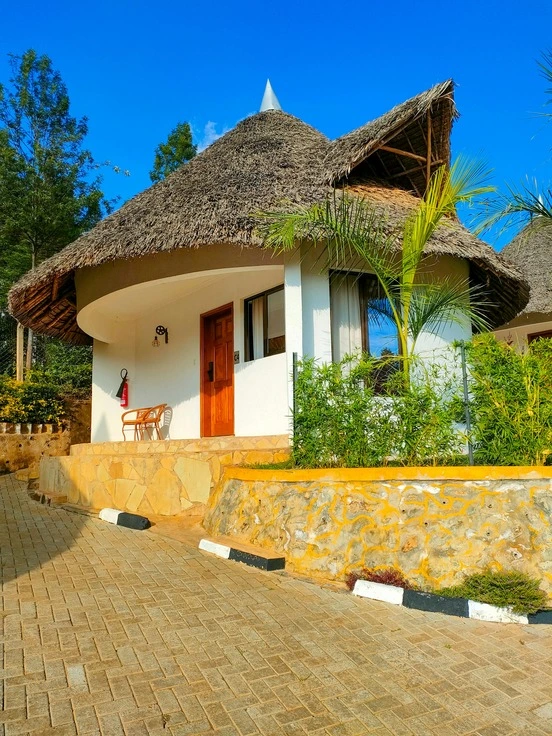
Often measuring 800-1,500 sq ft, these houses employ conventional structural framing, masonry, and brickwork to surpass the typical 2,200 sq ft residences. Following building code rules and zoning rules, they provide defined room layouts. Offering classic comforts on a smaller land area, this size suits a simple lifestyle.
Tiny House
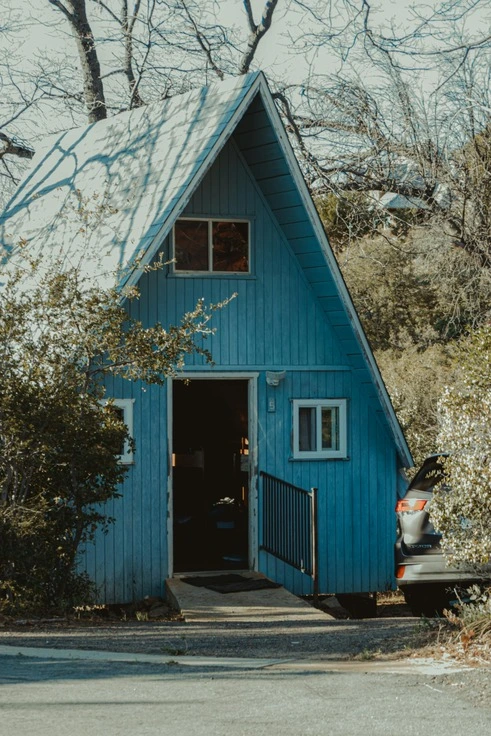
Just under 400 square feet, tiny houses are even smaller than the conventional modest home. These homes are usually prefab or come with wheels and an engine, which, by the way, reduces foundation and excavation costs. Though inexperienced structural framing poses significant safety hazards, this might be a more affordable choice because DIY components and small nooks for utility lower costs here.
ADU
Ranging 200-1K+ sq ft, Accessory Dwelling Units (ADU) can be disconnected as a garage conversion. Although they are founded on already existing land, therefore avoiding separate property acquisition, they nevertheless need permits, service mains, and adherence to local building permits and inspections.
Factors Affecting the COst of Building Small Homes
Pre-Construction Planning
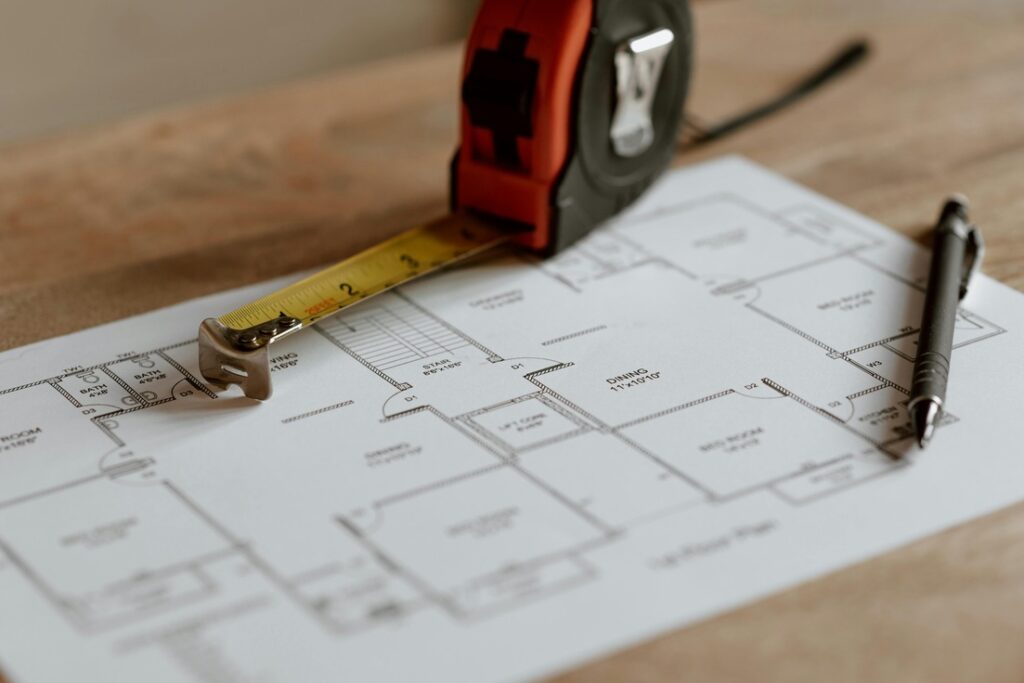
This phase entails costs of an estimated 5-10% of your budget, with material take-off and plot size planning.
- Architectural Design & Engineering Fees: An architect can cost up to 8-15% ($30k – 60k), which covers blueprints, 3D models, and MEP plans.
- Permits & Inspection Expenses: You have to factor in around $1K–$3K for local permissions as well as inspection fees for fire safety, egress, ventilation, and zoning compliance before starting construction.
Land & Site Development
Though the price of a small home might range widely depending on where it is, typically it runs from $2K to more than $150K per acre.
Costs for Property Acquisition: Average price for a 0.25-acre plot is $100K-300K if you are not constructing an ADU. If personal savings come up short, funding usually entails building loans.
Site Preparation & Clearing: Encompasses geotechnical analysis, excavation, drainage layout, and site survey. Depending on soil and terrain, prices run $2.3K to $12K.
Structural Foundation & Reinforcement
Depending on your foundation type, whether a slab, crawl area, or basement, the present basis expenses run roughly $21K+. Reinforced concrete, footing design, vapor barrier, waterproofing, and compacted sub-grade all fall within this particular phase of construction.
Framing
Including materials and labor, framing can range in cost from $11 to $30 per square foot. This covers load-bearing components making up the superstructure as well as structural framing, roof trusses, and lintels. The material also affects the cost significantly; wood framing is less costly, but steel is frequently necessary for hurricane regions, so choose judiciously.
Exterior Enclosure
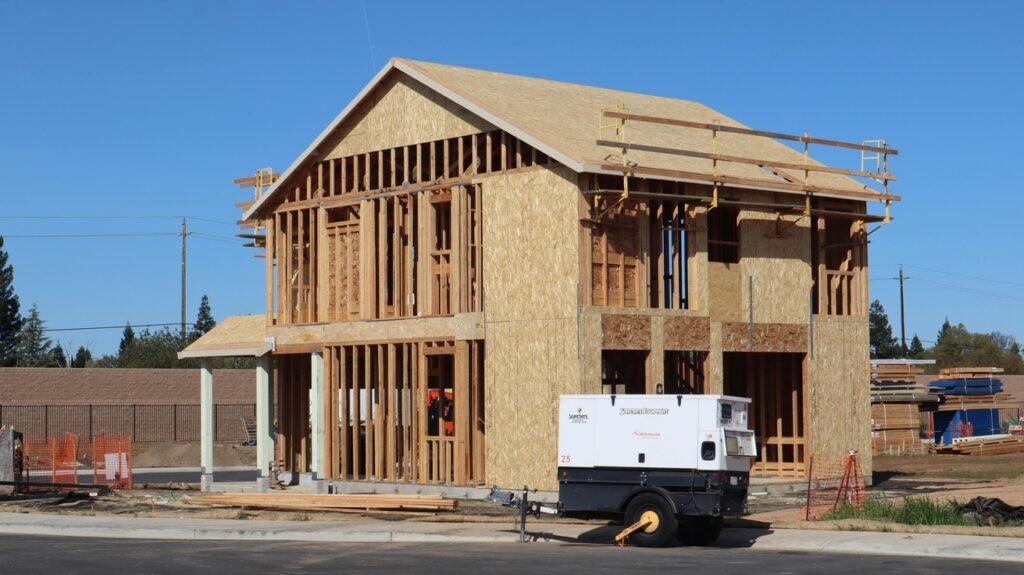
The expenses for a small home vary on the extent of insulation, materials, and whether the project is a pre-fabricated kit or an own structure. Usually, for a 200 sq ft room, prices can vary from $2K for a simple screen enclosure up to financial crisis $80K for top-end, four-season glass sunrooms.
Read More: Board and Batten Half Wall Ideas
Mechanical System Setup
- Plumbing Rough-in & Fixtures: Covers plumbing, taps, sanitary appliances, and drainage runs roughly $4 to $12 per square foot in a little new construction house.
- Panels & Electrical Wiring: Electrical panels and wiring cost from $3,000 to $8,000. For a full rewiring or a whole new installation in a small home, it could cost even more.
- HVAC Configuration: With the ductwork and insulation to keep a good thermal envelope with appropriate R-value and U-value, the price to install a new HVAC system is expected to range from $2.5 to more than $10K. Costs change greatly depending on the kind of interior build-out.
Interior Build-Out
- Wall Constructions: Steps exist here. For the thermal envelope, insulation costs $1 to $3 per square foot; drywall costs $1.50 to $3.50. Wall plastering, putty, primer, and finally painting of your choice, maybe even a grayscale minimalistic aesthetic. This all would cost about $13,000 in all.
- Floor Installation: Installing floor slabs, screed, and tiles costs $4–$25 per square foot, averaging $13K+ depending on the materials.
- Building Kitchens: The most crucial area to build, and probably the most costly as well. Sitting at $25K–$70K to build with kitchen cabinets and countertops; additional if you wish an island.
- Bathroom Vanity: Each bathroom will cost for sanitation fixtures, taps, and mirrors at about $800-$5K.
Buying Home Vs Building Home
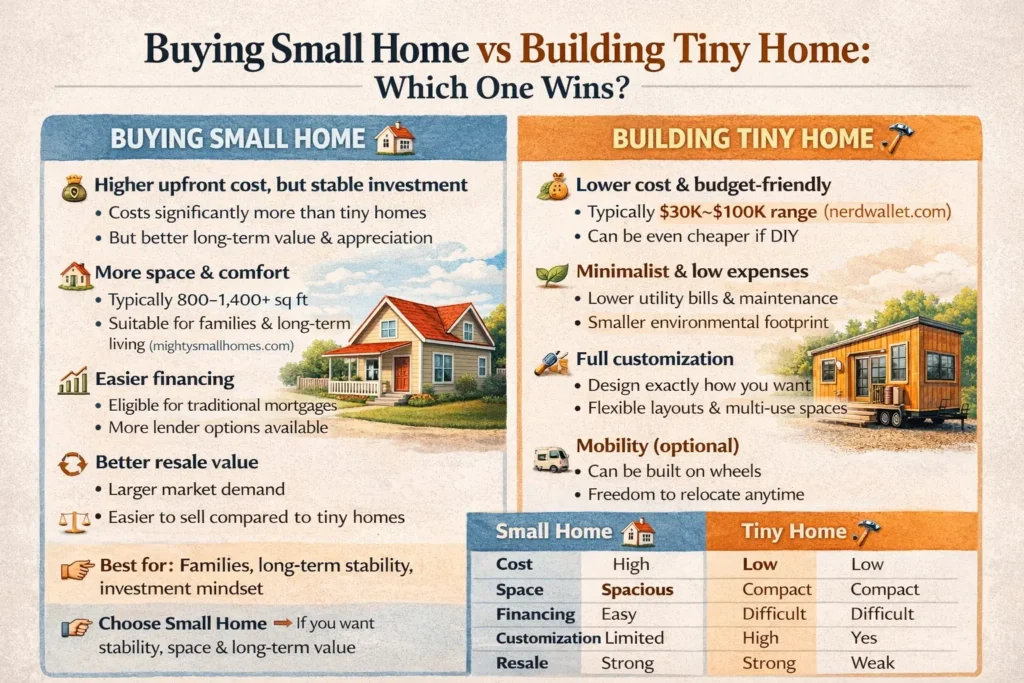
Building a little house sometimes is less sensible than just purchasing one that already exists. Once land, delays, and inflation are considered, structuring a small house or even a large house sometimes costs more than the $398K median price of current residences. Buying offers simultaneous consistent expenses and faster occupancy.
Fixed-rate mortgages guarantee payments; construction projects are vulnerable to delays and inflation. Furthermore, you have to budget for ongoing expenses, including property insurance, taxes, and frequent deep cleaning, to lengthen the life cycle expense of the home.
With a purchased home, you may swiftly change rooms. For instance, developing a comfortable living room with a little side office. You could even transform your little home into a fantasy-inspired area with reading nooks throughout for tea. It entirely sidesteps the headache of ground-up construction.
Conclusion
Achieving a favorable result depends much on carefully designing the construction of a tiny home. From the substructure on through all finish stages of your new house, this planning starts. You have complete creative control over the construction of your little house, yet you must weigh the high cost of supplies against the simplicity of buying a fresh home.


Leave a Reply